Frugal Living, Money Saving Tips, Freebies, and More!

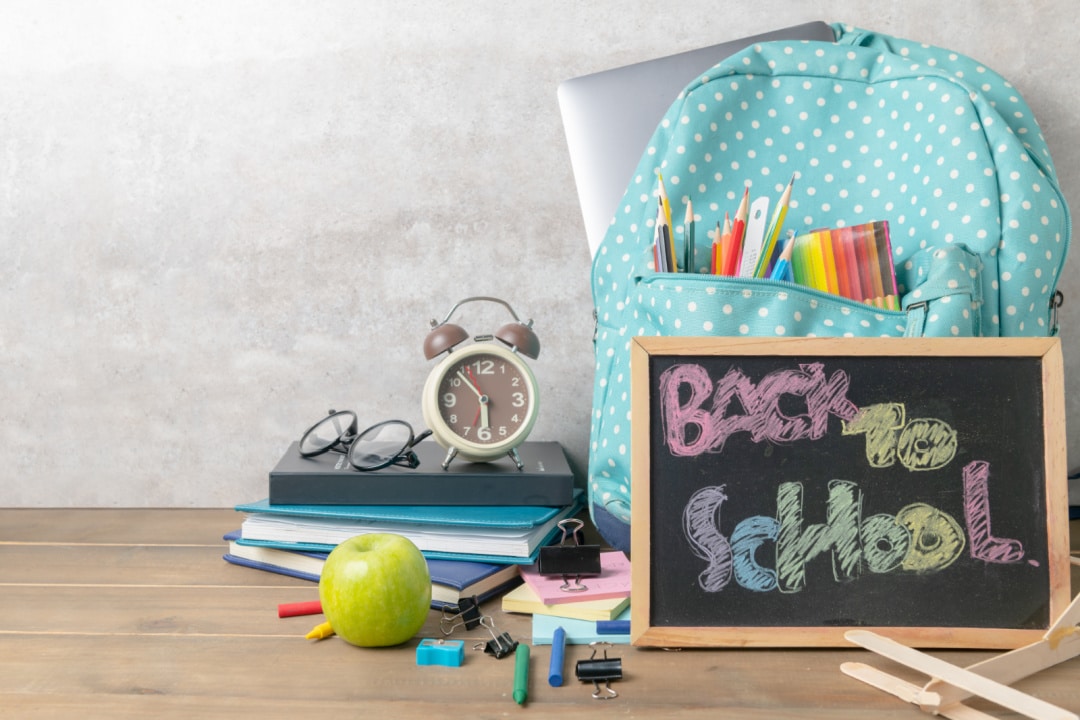
  • Frugal Back-to-School Shopping: Top 10 Essential Buys

    The back-to-school season is both an exciting and challenging time for families, as they prepare to transition from the leisure of summer to the rigors of the school year.

    But, it’s also a time when many parents face the daunting task of equipping their children with the necessary school supplies, without breaking the bank.

    Smart Strategies to Save Big on Back to School Supplies

    Under $10: Back to School Essentials for the Savvy Shopper

    If you’re looking to save money on your back-to-school shopping, you’re in the right place!

    Here are my top ten frugal essentials for a successful start to the school year.

    1. Backpacks

    The backpack is arguably one of the most essential back-to-school items. As a primary mode of transportation for books, lunch, and other school necessities, durability is paramount.

    Opt for a well-made, sturdy backpack over a trendy but less durable one. Stores often have sales towards the end of summer, making it a great time to buy.

    2. Lunch Boxes and Reusable Water Bottles

    Another cost-effective purchase is a reusable lunch box and water bottle. Buying disposable items for lunch every day can quickly add up.

    Best Reusable Water Bottles for Back to School

    A well-insulated lunch box and a BPA-free water bottle can save you a significant amount over the course of a school year. Plus, they’re an eco-friendly choice!

    3. Notebooks and Binders

    Your child will undoubtedly need notebooks and binders for their schoolwork. Consider buying these items in bulk to save money.

    A package of notebooks in bulk or binders in bulk tends to be cheaper than buying them individually. Additionally, try to reuse binders from the previous year if they’re still in good condition.

    4. Pens, Pencils, and Highlighters

    Writing instruments are another must-have for any student. Again, consider buying in bulk to save. However, quality matters, so read reviews before buying an off-brand that might not last.

    Opt for mechanical pencils, which, while initially more expensive than traditional pencils, will last longer and save you money in the long run.

    5. Staplers and Paper Clips

    Staplers and paper clips are essential for keeping your child’s work organized. Choose durable models that will last multiple school years.

    Again, try to buy these items in bulk to take advantage of cost savings.

    6. Erasers and Correction Fluid

    Mistakes happen, which is why erasers and correction fluid are invaluable. These are small items that can quickly add up in cost if you’re buying them regularly.

    Consider buying a large pack of erasers and a multi-pack of correction fluid at the start of the year to save money.

    7. Calculator

    Depending on the age of your child, a calculator might be necessary. While basic models are often very affordable, scientific and graphic calculators can be expensive.

    Consider investing in a quality, used model. There are many online platforms where you can buy used electronics at a fraction of the cost of new ones.

    8. USB Drive or External Hard Drive

    In our increasingly digital age, a USB drive or external hard drive can be vital for saving and transporting work. Look for deals online and choose a device with enough storage to meet your child’s needs for the entire school year.

    9. Art Supplies

    While not all students will require art supplies, those who take art classes will. Again, consider buying in bulk, and be sure to compare prices between physical and online retailers.

    10. Clothes and Shoes

    Lastly, your child will probably need a few new items of clothing or shoes for the school year. Shop end-of-summer sales for the best deals.

    Also, consider thrift stores and consignment shops, where you can find high-quality, gently used items at a fraction of their original cost.

    Best Places to Snag Second Hand Back to School Clothes

    Cutting Costs on Back to School Clothes

    Strategies for Frugal Shopping

    Aside from the aforementioned items, it’s also crucial to employ some smart shopping strategies to make the most out of your budget.

    Shop Sales and Use Coupons

    Back-to-school sales are a prime opportunity to save on your shopping list. Sign up for store newsletters, check local ads, and use coupon apps to make sure you’re getting the best deals. Remember to comparison shop to make sure the sale price is indeed a bargain.

    Shop Early or Late

    Many stores start stocking back-to-school items as early as July, and they often offer discounts to early shoppers. Alternatively, if you can hold off on certain items, prices tend to drop significantly after the school year begins.

    Inventory What You Already Have

    Before you even set foot in a store or go online, take a thorough inventory of what you already have. Often, there are plenty of perfectly good supplies left over from the previous school year that can be used again.

    Buy Used or Trade with Other Parents

    For items like textbooks, calculators, and even clothing, consider buying used or arranging a trade with other parents. There are many online platforms where you can buy, sell, and trade used items.

    Invest in Quality

    While it may be tempting to choose the cheapest item, consider quality as well as price. Investing a little more in a high-quality, durable product can save you money in the long run as it will last longer.

    In conclusion, back-to-school shopping doesn’t have to be a budget-busting endeavor.

    By focusing on essential items, employing savvy shopping strategies, and understanding where you can cut costs without sacrificing quality, you can equip your child with everything they need for the school year without breaking the bank.

    Remember, a frugal shopper is a smart shopper! Happy back-to-school shopping!

  • Creating a Frugal Gift Closet: Your Smart Money Saving Solution

    Frugal Gift Closet

    If you’re like me, you understand the thrill of finding just the right gift, at just the right price.

    But how often have we faced the last-minute rush, the frantic scramble to find a gift that’s meaningful without breaking the bank?

    Too often, right? Well, today, I’m going to introduce you to a smart, frugal living strategy that will not only save you money but also take the stress out of gift-giving.

    It’s a concept so straightforward, yet so brilliant, you’ll wonder how you’ve never thought of it before. So, what’s this budget-friendly, stress-relieving, time-saving solution?

    Say hello to the concept of a Gift Closet. Imagine having a treasure trove of thoughtful gifts at your disposal, ready for any occasion. S

    ounds exciting? Keep reading, as I guide you step-by-step on how to create a gift closet in your home, effectively saving money throughout the year, while retaining the joy of gifting.

    What is a Gift Closet?

    A gift closet, quite simply, is a designated space in your home where you stash gifts for various occasions throughout the year.

    Birthdays, anniversaries, weddings, holidays, host gifts – the list is endless. The beauty of the gift closet is that it allows you to take advantage of sales and discounts, buy in bulk, and prepare in advance.

    You’re not just saving money, you’re also saving time and reducing stress.

    How to Create a Gift Closet: The Basics

    1. Choose Your Space

    The first step to creating a gift closet is finding the right spot. It doesn’t have to be a closet per se; any dedicated space will do.

    Think of unused corners in your home, an empty shelf, a spare drawer, or even a well-organized box. The important thing is that it should be easily accessible, clean, dry, and protected from pets and children.

    2. Inventory and Organize

    Knowing what you already have is crucial to avoid overbuying or duplicating gifts. Sort out your gifts by category: toys, home decor, books, electronics, and so on.

    It’s also a good idea to maintain a running inventory list. Use simple solutions like a notebook, or go digital with apps and spreadsheets.

    3. Plan Ahead

    One of the keys to a successful gift closet is foresight. Take note of upcoming birthdays, anniversaries, and holidays.

    Pay attention to your loved ones’ tastes and interests. This way, you’re less likely to make impulse buys that end up being less than perfect.

    Stocking Your Gift Closet Frugally

    Now that your gift closet is ready, it’s time to stock up. This is where the frugal magic happens.

    1. Year-Round Sales

    One of the prime advantages of having a gift closet is the ability to buy items on sale, long before you actually need them.

    Post-holiday clearance sales, Black Friday deals, end-of-season sales — these are all opportunities to snag high-quality gifts at discounted prices.

    2. Bulk Buying

    Buying in bulk is another way to make significant savings, especially for items that don’t go out of style. Classic children’s toys, popular books, or kitchen gadgets make great bulk buys.

    3. Thrift and Antique Stores

    If you love unique finds and vintage items, thrift and antique stores can be your best friend. You can find beautiful, one-of-a-kind gifts at a fraction of their original price.

    4. Online Marketplaces

    Platforms like eBay, Craigslist, or Facebook Marketplace often have new or gently used items at bargain prices. Stay vigilant for good deals, but be sure to vet sellers for credibility.

    Mastering the Art of the Gift Closet

    As with any frugal strategy, the gift closet requires a certain amount of discipline and management.

    1. Resist Impulse Buys

    Just because something is on sale doesn’t mean you need it. Remember your inventory and upcoming occasions list. Buy with purpose, not just because the price is right.

    2. Rotate and Refresh

    Don’t let items sit for too long in your gift closet. If you notice something that’s been there for a while, consider using it for the next suitable occasion.

    3. Wrap Smart

    Stock up on wrapping supplies during sales, or better yet, use recyclable materials for an eco-friendly touch. You can also store gift bags to reuse, another smart way to save.

    4. Track Your Savings

    Seeing your savings grow is a powerful motivator. Keep track of how much you’re saving by using your gift closet. This not only reaffirms your frugal habits but also gives you a sense of achievement.

    Conclusion

    A gift closet is more than a money-saving strategy — it’s a way to simplify your life.

    By being prepared, you can avoid last-minute shopping stress and enjoy the joy of giving. With a bit of planning and savvy shopping, your gift closet will become a cherished corner of your frugal lifestyle.

    Remember, being frugal doesn’t mean being cheap. It’s about being smart with your resources and making the most out of every dollar. And that, is a gift that keeps on giving.

    Frequently Asked Questions

    I live in a small apartment. Can I still have a gift closet?

    Absolutely! A gift closet doesn’t have to be an actual closet. It can be any dedicated storage area — a shelf, a drawer, a cabinet, or even a box. The key is to keep it organized and easily accessible.

    Won’t gifts go out of style if I buy them in advance?

    Not if you buy timeless gifts. Classic children’s toys, best-selling books, home decor, and kitchen gadgets rarely go out of style. Plus, if you’re aware of your friends and family’s tastes, you’ll know what they’ll appreciate regardless of trends.

    What if I buy a gift in advance and find something better later?

    This is where your gift inventory comes into play. Regularly review what you already have, and only buy gifts if you find something truly unique or deeply discounted. Remember, the goal is to save money and reduce stress, not to accumulate unnecessary items.

    How can I remember all the upcoming occasions?

    Maintaining an event calendar is a simple solution. You can use traditional paper calendars, or go digital with Google Calendar or apps like Evernote. Remember to update it regularly with birthdays, anniversaries, and special events.

    What’s the best way to organize my gift closet?

    Categorize your gifts by occasion or type. This makes it easy to find what you need when the time comes. It’s also helpful to have a system for tracking your inventory, whether it’s a simple checklist or a digital spreadsheet.

    Can a gift closet really save me money?

    Yes, it can! By planning ahead and purchasing gifts when they’re on sale or in bulk, you’re likely to spend less than if you’re rushing to buy presents at the last minute. It also helps you avoid panic buying, where you might end up spending more just to have a gift ready.

    How often should I update my gift closet inventory?

    A good rule of thumb is to update your inventory every time you add or remove a gift. This way, you’ll always have a clear idea of what’s available at a glance.

    However, it’s also advisable to do a more thorough review every three to six months to ensure that your gifts are still in good condition and appropriate for upcoming occasions.

    Should I include gift wrapping supplies in my gift closet?

    Definitely! Having wrapping supplies on hand is part of being prepared. You can stock up on gift bags, wrapping paper, ribbons, and cards during post-holiday sales or whenever you spot a great deal. Remember to store them neatly to avoid damage.

    What if the recipient doesn’t like the gift I picked from my gift closet?

    While you’re choosing gifts based on what you think your friends and family members will like, it’s inevitable that sometimes they might not fully resonate with the gift.

    In such cases, always include a gift receipt whenever possible. This shows that you care about their preferences and allows them to exchange the gift for something they’ll truly love.

    I’m worried about accidentally giving the same gift to the same person twice. How can I prevent this?

    Keeping a record of who received what can help prevent this from happening. This could be as simple as a note in your inventory, or you might choose to keep a dedicated gift log.

    This not only prevents duplicate gifting but also allows you to track what types of gifts have been successful in the past.

    How do I keep track of what I’ve spent on my gift closet?

    Maintaining a budget is an essential part of frugal living. Keep track of your expenditures by saving receipts or making a note of the prices in your inventory. Some people find it helpful to set a yearly or monthly budget for their gift closet, and track their spending against that.

    Is a gift closet only for tangible gifts?

    Not at all! While a gift closet is typically used for physical gifts, you can also use it as a place to store ideas for experience-based or digital gifts. For example, if you spot a great deal on a cooking class, concert tickets, or online course, you could purchase it in advance and note it down in your gift inventory.

    What if I end up with gifts that I can’t give away?

    This might happen if you’re buying gifts in advance without a specific recipient in mind. If you find yourself with excess gifts, consider donating them to a local charity or using them as prizes for community or family events. You could also re-sell them on online marketplaces. The key is to periodically review your inventory and ensure that every item has a purpose.

  • FREE Shipping on All Orders at Mabel’s Labels + 20% off Back to School Sale!

    Do you need personalized labels?

    Mabel’s Labels is the best-known brand of durable labels for families, and their growing line of products: baby bottle labels, allergy and medical alert products, sports labels, household labels and seasonal items.

    They’re extremely durable, they’re laundry, dishwasher and microwave safe – and they’re 100% guaranteed. Enjoy FREE shipping on all orders at Mabel’s Labels (and right now, they are having a 20% off Back to School Sale!)

    I have personally ordered labels over the last several years from Mabel’s Labels. They come in handy every time we need to quickly label our items!

  • The Ultimate Guide to Saving Money at the Movie Theater

    Let’s face it. In recent times, the cost of movie tickets and concessions can be enough to keep even the most avid moviegoer at home.

    Just last week, we took our family of 5 to the movies. We paid $100+ and that didn’t even include candy! It covered the cost of the movie tickets, drinks, and a large popcorn.

    You can be sure I’ll be using these tips below for future movie outings!

    Whether you’re an ardent fan of rom-coms, hooked on thrillers, or partial to action-packed blockbusters, one thing unites us all: we love a good bargain.

    This post is for all the budget-conscious, frugal readers out there who aren’t ready to swap the silver screen for the living room just yet.

    Here are some clever ways you can keep enjoying your cinema experience without breaking the bank.

    Matinee and Discount Days

    One of the easiest ways to save is by choosing to attend cheaper screenings. These can be matinees (early afternoon shows) or particular days of the week where prices are slashed.

    Movie theaters often offer reduced prices during off-peak hours and days when attendance is typically lower.

    Before heading out, check your local theater’s pricing policy online or give them a call. You might be surprised at the savings you can enjoy just by shifting your movie date to a different time or day.

    Loyalty Programs and Memberships

    Many movie theater chains offer loyalty programs where you earn points for each dollar spent, which can later be redeemed for tickets, concessions, or other perks.

    It’s a great way to save if you’re a frequent moviegoer. Also, annual memberships often come with benefits like discounted tickets or free refills on popcorn.

    It requires an upfront investment, but if you go to the movies often enough, it can lead to significant savings over time.

    Take Advantage of Special Offers

    Theaters often collaborate with local businesses or major brands for promotional campaigns. Keep an eye out for such offers.

    It might be a meal deal in a nearby restaurant that comes with a discounted movie ticket, or a specially marked product in the grocery store offering a free ticket.

    Signing up for newsletters or following your local theater on social media can help you stay updated on such promotions.

    Bulk or Group Tickets

    Purchasing tickets in bulk or as a group can result in big savings. If you have a large family or a group of friends that you regularly watch movies with, consider this option.

    Some theaters offer significant discounts for group purchases. This requires a bit of organization but can be a fun and cost-effective way to enjoy the cinema.

    Avoid Peak Times

    Just like airlines, theaters often have dynamic pricing based on demand. Avoiding opening weekends or evening shows can save you a few bucks on each ticket.

    If you can hold off on seeing the latest blockbuster immediately, you might save a significant amount.

    Bring Your Own Snacks

    It’s no secret that concessions are where theaters make a significant portion of their profits. Those tubs of popcorn and soda carry a hefty markup.

    Check your theater’s policy on bringing in outside food and drinks. If it’s allowed, bringing your own snacks can lead to substantial savings.

    Healthy options like trail mix or fruit can be a great alternative to the standard popcorn and candy.

    E-Ticketing and Booking Platforms

    Online ticketing platforms often have special promotions or offer cashback on purchases. Look out for such deals, and remember to compare prices across different platforms before buying.

    Be aware, though, some platforms may include service charges that might outweigh the discount.

    Student, Military, or Senior Discounts

    If you’re a student, a member of the military, or over a certain age, you could be eligible for discounted tickets.

    Many theaters offer these discounts, but they may not advertise them prominently. Don’t hesitate to ask when purchasing your ticket – you could save a significant amount.

    Gift Cards or Rewards Points

    Consider using gift cards or credit card reward points to purchase tickets. Many credit cards offer rewards programs where points can be redeemed for movie tickets.

    Additionally, discount retailers or online marketplaces often sell gift cards at less than face value.

    Double Features or Film Festivals

    Look out for special events like double features or film festivals. They often offer two films for the price of one or a full day’s entertainment for a discounted rate.

    If you’re an avid moviegoer, these events can be a fantastic way to get your movie fix for less.

    In conclusion, while a trip to the movie theater can seem like an expensive proposition, with a bit of planning and these cost-saving strategies, you can continue to indulge your love for the big screen without stressing over the costs.

    It’s time to switch your cinema visits from guilty pleasure to a frugal thrill.

    Enjoy the movie and keep those savings rolling!

    Frequently Asked Questions

    How much can I expect to save by going to a matinee or on a discount day?

    Savings can vary greatly depending on the theater, but you can typically expect to save anywhere from 25% to 50% off the regular ticket price.

    Are there any downsides to signing up for a theater’s loyalty program?

    Generally, no. These programs are free to join and offer a variety of perks, such as discounted tickets, concessions, or exclusive early access to tickets for big releases. Just be aware that you may receive promotional emails from the theater or its partners.

    How often do theaters run special offers or collaborations?

    It can vary depending on the theater chain and location, but most theaters will have special offers several times a year. Subscribing to the theater’s newsletter or following them on social media is a great way to stay updated on these promotions.

    Are there any restrictions on the kind of snacks I can bring to the theater?

    Each theater chain or independent theater will have its own policy on outside food and drinks. Some may prohibit it outright, while others may only allow certain types of snacks. It’s best to check the theater’s policy before you go.

    Do all online ticketing platforms offer discounts or promotions?

    Not always, but many do offer promotions, particularly for first-time users or if you make purchases with certain credit cards. Always compare prices across different platforms before making your purchase to ensure you’re getting the best deal.

    Can I use student, military, or senior discounts in conjunction with other promotions?

    This depends on the specific policies of the theater. Some may allow you to combine discounts, while others may not. Always check the terms and conditions of any promotion or discount to be sure.

    How can I find out if my credit card rewards program can be used for movie tickets?

    The best way is to check the rewards section on your credit card issuer’s website or give them a call. If movie tickets are an option, they should be listed among the rewards.

    What are double features and how do they save me money?

    A double feature is when two films are shown back-to-back for the price of a single ticket. This means you’re effectively getting the second movie for free, thereby saving on the cost of an additional ticket.

    Every penny counts and the more strategies you implement, the more savings you’ll reap. Don’t be afraid to ask for discounts and do a bit of research before your next movie outing.

  • Create a Baby Shower Registry at Amazon: Get a FREE Welcome Box for Baby!

    Baby Shower Registry at Amazon

    Having a baby soon? Create a baby shower registry at Amazon. You’ll get a FREE Baby Welcome Box after you create your registry and complete the steps below.

    What’s Inside:

    A surprise selection of full, travel and sample-size products for parents

    To get your box:

    • Join Amazon Prime
    • Complete 60% of your Checklist
    • Purchase $10 from your registry
    • Request your box

    Please read through the terms and conditions just in case they may change over time.