Frugal Living, Money Saving Tips, Freebies, and More!

  • 10+ Ways to Reuse Jars

    Ways to Reuse Jars

    In today’s era of environmental consciousness, frugality isn’t just about saving pennies; it’s also about making sustainable choices.

    One simple yet powerful way to achieve both these objectives is by repurposing jars.

    Before you toss out that empty pasta sauce or pickle jar, consider the numerous ways it can be reused to not only save money but also reduce waste.

    Here’s a guide to reusing jars for those who have frugality at heart.

    10+ Ways to Reuse Jars

    Storage Solutions

    Pantry Organizers:

    The pantry is often the heart of a kitchen, housing everything from grains to snacks.

    But without proper organization, it can quickly become a chaotic space. This is where jars step in as brilliant and frugal organizers.

    By using jars of various sizes, you can systematically store items like pasta, rice, beans, nuts, and even baking ingredients.

    The transparent nature of jars allows for easy identification, eliminating the need to rummage through piles or opaque containers.

    Additionally, a well-organized jar pantry can help in inventory management; at a glance, you’ll know what’s running low and what’s in abundance.

    Adorn your jars with stylish labels, and you transform your pantry from a mere storage space to an aesthetically pleasing and functional area, perfectly aligned with the principles of frugal living.

    Leftover Containers:

    In our continuous quest to reduce waste and maximize resources, saving and consuming leftovers is a practical approach. Jars offer an ideal solution for storing these remaining portions.

    Their airtight seal ensures food remains fresh, locking in flavors and preventing any unwanted fridge odors from seeping in.

    Their transparent nature lets you quickly identify the contents, making it easier to plan meals around what you already have.

    Plus, using jars as leftover containers can reduce your dependence on plastic Tupperware, aligning with a more eco-friendly and health-conscious lifestyle.

    The next time you have some extra spaghetti sauce or a portion of last night’s casserole, let a repurposed jar keep it tasty and ready for your next meal.

    Spice Holders:

    Spices are the heartbeat of any kitchen, adding flavor and flair to your dishes. Storing them efficiently, however, can sometimes be a challenge. Repurposed jars come to the rescue!

    These transparent containers are perfect for holding everything from turmeric to thyme.

    The clear glass allows you to easily identify each spice, while the airtight seal ensures they retain their freshness and potency.

    Labeled jars bring added convenience, helping you locate your desired spice swiftly.

    Plus, arranging them on open shelves or inside cabinets offers a clean, uniform look, turning your spice collection into a display of culinary art.

    With jars, your spices are not just ingredients; they become part of your kitchen decor.

    Candy Jars:

    Whether you’re a fan of colorful gummies, vintage hard candies, or decadent chocolates, storing them in clear jars can turn your sweet treats into delightful displays.

    Not only do jars keep your candies fresh and free from outside contaminants, but they also offer a decorative edge.

    Arrange multiple jars on a shelf or countertop to create a mini candy store vibe in your own home.

    This approach is not only visually appealing but also functional, making it easier to access your favorite candies.

    For households with kids or frequent guests, labeled candy jars can be a hit, adding a touch of whimsy and nostalgia to your living space.

    DIY Projects

    Candle Holders:

    There’s something truly mesmerizing about the soft flicker of a candle flame. Enhance this beauty by repurposing jars into unique candle holders.

    Whether it’s tealights, votives, or pillar candles, jars provide a safe and stylish enclosure. Their transparency allows the candlelight to radiate in all directions, casting a warm and inviting glow.

    For added flair, fill the bottom of the jar with decorative items like sand, pebbles, or even coffee beans. This not only anchors the candle in place but also adds a decorative touch.

    Using jars as candle holders can be particularly enchanting during outdoor events, dinners, or simply for a relaxing evening at home.

    It’s an economical way to create a cozy atmosphere while giving old jars a glowing new purpose.

    Picture Frames:

    Memories are treasures, and what better way to showcase them than in a unique, repurposed jar? Turn your jars into inventive picture frames for a whimsical touch to your decor.

    For this, choose photos, preferably smaller ones, and roll them slightly to fit inside. Position the photo so it’s facing outward, and you’ve got a 360-degree viewable frame.

    You can fill the bottom with decorative items like sand, colored stones, or even dried flowers to anchor the picture and add depth.

    These jar picture frames can sit on shelves, desks, or mantelpieces, offering a fresh perspective on cherished memories.

    Perfect for gifting or just to add a personal touch to your space, jars can immortalize moments in a distinct and frugal manner.

    Sewing Kit:

    Every household, at some point, requires a trusty sewing kit for those unexpected rips, missing buttons, or creative craft projects.

    Transform your jars into compact, organized sewing kits. The jar’s clarity allows for easy visualization of its contents, ensuring you can quickly locate that elusive needle or the right color thread.

    You can store spools, needles, buttons, thimbles, and even small scissors in a medium to large jar.

    For added ingenuity, cushion the jar lid with a small piece of fabric stuffed with a bit of cotton – voilà, you have an integrated pincushion!

    This repurposed jar sewing kit not only ensures all your sewing necessities are in one place but also offers a touch of vintage charm to your crafting area.

    It’s a frugal and stylish solution for seamstresses and occasional menders alike.

    Craft supplies:

    Every craft enthusiast knows the struggle of keeping varied supplies organized. Jars offer an elegant and practical solution to this common dilemma.

    Their transparent bodies allow for quick identification and access, making the creative process smoother and more enjoyable.

    Store everything from buttons to beads, colored pencils to paint brushes, or even glitters and sequins in separate jars. For those who dabble in multiple crafts, label each jar by its contents or project type.

    This not only ensures that every little craft accessory has its designated spot, but it also transforms your craft area into a visually appealing workspace.

    With jars as your craft supply allies, every creative endeavor becomes a seamless blend of inspiration and organized artistry.

    Tools:

    Anyone who’s ever tried to find a specific screw, nail, or drill bit knows the importance of organized tool storage.

    Jars provide an ideal solution for this dilemma, allowing for clear visibility while keeping everything neatly in place.

    Here’s how jars can be pivotal in tool organization:

    Nuts, Bolts, and Screws: Separate and store different types and sizes of fasteners in separate jars. Label them or simply rely on the clear nature of the jars to quickly spot what you need.

    Drill Bits: Keep various drill bits in jars, categorizing them by type or size. This not only makes them easy to find but also prevents the sharper bits from causing accidental injuries.

    Brushes and Applicators: If you’re into painting or staining, jars can hold brushes and foam applicators, ensuring the bristles maintain their shape and the foam doesn’t get squished.

    Small Hand Tools: Jars can also be used for small tools like Allen wrenches, precision screwdrivers, or wire strippers, making sure they’re always within easy reach.

    Wall Mounted Jars: For those looking to save counter space, lids of jars can be screwed onto the underside of a shelf. The jars can then be twisted into place, hanging beneath the shelf, making for a neat and visually appealing storage solution.

    Safety First: A jar dedicated to safety equipment – like earplugs, small goggles, or dust masks – ensures that protective gear is always at hand.

    Implementing jars as storage in a workshop or garage doesn’t just lead to efficiency; it also promotes a safer work environment.

    By having everything neatly stored away and easy to find, you can avoid the pitfalls and frustrations of a cluttered workspace.

    Jars stand out as an inexpensive and effective organizational hack for hobbyists and professionals alike.

    Bathroom Utilities

    Soap Dispensers:

    In a world where personal touches make a home truly yours, jars provide an unexpected and chic solution for your bathrooms and kitchens: soap dispensers.

    With a simple soap dispenser pump for mason jars attachment, which can be easily found online or in craft stores, you can transform any regular jar into a stylish liquid soap or lotion dispenser.

    This not only gives a rustic charm to your sinks but also allows for customization.

    You can fill them with your favorite scented lotions or colorful liquid soaps, making them both functional and decorative.

    Plus, buying soap in bulk and refilling your jar dispensers is often more cost-effective and environmentally friendly than continuously buying smaller, plastic bottles.

    With jars, your cleansing experience is elevated to a blend of frugality, sustainability, and aesthetic appeal.

    Cosmetic Organizers:

    In the world of cosmetics, with myriad products from lipsticks to brushes, organization can be a daunting task.

    Enter the versatile jar.

    With their clear, see-through structure, jars become the perfect companion to sort, display, and easily access your beauty products.

    Use smaller jars for items like lip balms, eyeliners, or single eyeshadows. Larger jars can hold brushes, mascara, and even liquid foundations or creams.

    For those who love a touch of DIY, you can decorate your jars with ribbons, lace, or stickers to match the theme of your vanity or dressing table.

    This not only adds a personal touch but also makes the process of getting ready each day a delightful experience.

    Furthermore, by using jars, you can keep your products dust-free and in pristine condition.

    Elevate your beauty routine with this frugal yet fashionable storage solution, ensuring every makeup session starts with style and ease.

    Bath Salts & Bombs:

    For many, a relaxing bath is the epitome of self-care and rejuvenation. Enhance this luxurious experience by storing your bath salts and bath bombs in repurposed jars.

    Their airtight seal ensures that the aromatic fragrances and therapeutic properties of your bath products are preserved.

    The transparent nature of jars also adds a touch of spa-like elegance to your bathroom decor, making every bath feel like a retreat.

    You can layer different colored bath salts in a jar for a beautiful, gradient effect. Or, for those who love crafting their own bath products, jars become the perfect container for homemade salts, scrubs, and bath bombs.

    Attach a handmade label or a ribbon, and you’ve got a ready-made, thoughtful gift for any occasion.

    With jars, your bath essentials are not just stored; they’re showcased, elevating every soak to a sublime experience.

    Gardening and Outdoor Uses

    Seed Starters:

    For gardening enthusiasts or those keen on starting their plant journey, jars offer a fantastic method to kickstart seed germination.

    Their transparent nature allows you to closely monitor the progress of your seeds, witnessing the magical process of a sprout emerging and growing roots.

    To use a jar as a seed starter, fill it with a good-quality potting mix, place the seeds at the appropriate depth, and lightly water.

    Cover the jar with a piece of clear plastic or cling wrap to create a mini-greenhouse effect, ensuring warmth and humidity — essential for germination.

    Once the seeds sprout and grow a bit, they can be transplanted to larger pots or directly into the garden.

    Staring your seeds in jars not only offers a practical and frugal solution but also transforms the act into an educational and engaging experience, especially for kids.

    It’s nature and sustainability wrapped in one clear container, fostering growth in more ways than one.

    Lanterns:

    Place tea lights or small flameless LED lights inside jars and hang them or place them around your garden or patio for a cozy ambiance. Or, place strings of mini LED lights inside jars to create ambient lighting.

    This simple yet effective idea is perfect for parties, weddings, intimate dinners, and even as night lights.

    The glow emanating from the jar provides a warm, fairy-tale ambiance that can elevate any event’s atmosphere.

    Whether it’s a garden party under the stars, a beachfront wedding, or just a cozy evening on your balcony, these jar lights add a touch of magic.

    Plant Containers:

    As urban spaces become more constrained, bringing nature indoors has become both a design trend and a serene escape.

    Jars offer an ideal solution to house your beloved green companions.

    From succulents to ferns, the clear containers can turn into beautiful terrariums or simple plant pots, adding a touch of verdant elegance to any room.

    When using jars as plant containers, ensure adequate drainage for the plants.

    You can layer the bottom with small pebbles or activated charcoal before adding the potting mix. This helps in preventing water stagnation and root rot.

    For plants that thrive in humid environments, like mosses, the jar can act as a mini-ecosystem, retaining moisture and creating a humid environment.

    The transparency of the jars also means you can observe the intricate root systems, making it an aesthetic and educational experience.

    Positioned on window sills, shelves, or desks, jar-contained plants become a symbol of life, growth, and eco-friendly décor, all while championing the principles of reuse and frugality.

    On-the-Go Solutions

    Travel Snacks:

    Every seasoned traveler or on-the-go individual knows the importance of having a nutritious snack handy.

    Jars offer a sturdy and spill-proof solution for storing and transporting a variety of snacks.

    Whether it’s a mix of nuts and dried fruits, yogurt parfaits layered with granola, or even pre-made salads, jars can hold them all efficiently.

    Their compact design makes it easy to fit into bags or backpacks without the worry of crushing your food.

    Plus, the airtight seal ensures freshness and prevents any messy leaks.

    For those who are health-conscious, pre-packing snacks in jars also means better portion control and the opportunity to avoid unhealthy, last-minute food purchases during trips.

    Beyond just practicality, using jars for travel snacks aligns perfectly with the ethos of sustainability. It reduces dependency on single-use packaging and encourages mindful eating.

    The next time you’re hitting the road or catching a flight, grab a jar of your favorite snack and travel both sustainably and deliciously.

    Beverages:

    The humble jar has found its way into cafes, restaurants, and homes as a trendy and practical vessel for beverages.

    From iced coffees to smoothies, lemonades to craft beers, jars offer a touch of rustic charm while serving your favorite drinks.

    One of the benefits of using jars as beverage containers is their wide mouth, making it easy to add in ingredients, stir, and sip.

    They’re also incredibly durable, reducing the risk of easy breakage, especially when you’re enjoying an outdoor picnic or a backyard BBQ.

    For those who love experimenting, jars can also be used for creating layered drinks or infusing waters with fresh fruits and herbs.

    Seal them with a lid, and you’ve got a spill-proof drink ready for your travels or workouts. Plus, for parties, jars can be adorned with ribbons, tags, or even chalk markings to personalize each guest’s drink.

    Choosing jars for your beverages not only stands as a testament to resourcefulness and frugality but also adds a fun and aesthetic twist to your hydration habits. Cheers to sustainable sipping!

    Lunch Box:

    Step up your lunch game by repurposing jars into innovative lunch boxes.

    Whether it’s a layered salad, pasta, rice dishes, or even soups, jars can securely store a plethora of meal options, ensuring they remain fresh and appetizing.

    The vertical structure of jars is particularly perfect for layering ingredients.

    For instance, you can start with a dressing at the bottom, followed by harder vegetables or proteins, and top it off with leafy greens, ensuring that nothing gets soggy before it’s time to eat. When lunchtime arrives, simply shake, open, and enjoy!

    The airtight seal of jars is excellent for preserving the freshness of your meals, especially if you’re prepping a few days in advance.

    Plus, the glass nature ensures no unwanted flavors are imparted into your food, unlike some plastic containers.

    Transporting these is a breeze, especially with their leak-proof design. They fit comfortably in most bags, and their sturdy nature means no squished sandwiches!

    Using jars as lunch containers is not just a nod to frugality and sustainability, but it also elevates the lunchtime experience, making every meal feel a bit more gourmet.

    100 Easy Recipes in Jars

    Gifts and Decor

    DIY Gift:

    There’s an unparalleled joy in giving and receiving handmade gifts. They carry the essence of effort, thought, and personal touch. Jars serve as an ideal canvas for a plethora of DIY gift ideas that cater to diverse tastes and occasions.

    Recipe in a Jar: Layer the dry ingredients of a cookie or brownie recipe in a jar. Attach a label with the recipe’s remaining steps and wet ingredients needed. It’s a delightful treat that allows the recipient to bake and enjoy fresh goodies.

    Homemade Scrubs and Lotions: Combine natural ingredients to craft body scrubs, bath salts, or lotions. Infuse with essential oils for an added aromatic touch.

    Scented Candles: Melt wax, add fragrance or essential oils, and pour into a jar with a wick in place. Once set, you have a homemade candle ready to light up someone’s day.

    Memory Jar: Fill the jar with small notes, each jotting down a memory, quote, or reason you appreciate the recipient. It becomes a daily dose of love and positivity.

    Customized Plant Pot: Plant a small succulent or flower in the jar, creating a living, breathing gift that grows with time.

    Sewing Kit: For someone who loves to sew or might just need essentials for mending, a jar filled with threads, needles, and buttons makes for a practical and cute gift.

    Decorate the jar with ribbons, tags, or paint to add a personal flair.

    Gifting a DIY jar not only shows thoughtfulness but also champions the principles of recycling and sustainability, making the present doubly impactful.

    Vases:

    Flowers have a way of instantly brightening up a space, and when paired with the right container, their beauty is accentuated even further.

    Jars offer a simple yet sophisticated solution to showcase your floral arrangements, whether they’re freshly picked from the garden or bought from a store.

    The transparent nature of jars allows the entire beauty of the flower to be seen – from the vibrant petals right down to the often overlooked stems submerged in water.

    This creates a holistic view of the floral arrangement, making it a focal point of any room.

    Jars come in various sizes, and this versatility can be used to create diverse floral displays:

    Single Stem Showcase: Use a smaller jar to highlight the elegance of a single rose, tulip, or daisy.

    Wildflower Collection: Fill a larger jar with a mix of wildflowers for a burst of color and a touch of the countryside.

    Floating Blossoms: For a unique display, fill the jar with water and let petals or small blossoms float on top.

    To elevate the presentation further, you can tie a ribbon around the jar’s neck or even paint the jar for a more personalized touch.

    Using jars as vases is not only a testament to innovative upcycling but also adds a touch of rustic charm, making every floral display a conversation starter.

    Kitchen Uses

    Leftover Grease Storage:

    One of the little-known but highly practical uses of old jars is storing leftover cooking grease. Instead of pouring fats down the drain, which can lead to blockages and plumbing issues, pour them into a jar.

    Once filled, you can either dispose of the jar responsibly or, if using animal fats, reuse the grease for cooking, giving your dishes added flavor.

    Remember to strain out any particles from the grease to extend its shelf life and always ensure the jar is heat-resistant to prevent cracking when pouring hot grease.

    Straw Storage:

    Jars provide the perfect storage solution for straws, ensuring they remain clean and easily accessible. Placing them in a clear jar on your countertop or dining table helps keep them organized.

    Drinking Glasses:

    Save your empty jars for drinking glasses for the family! No need for purchasing drink glasses when you can save jars for this purpose.

    Holiday Decorations and Centerpieces

    Every festive table needs a centerpiece that ties the theme together and sets the tone for the celebration.

    Jars, in all their adaptable glory, can be effortlessly transformed into stunning centerpieces that capture the essence of the holiday.

    Here’s how to craft a memorable holiday centerpiece using jars:

    Floating Candles: Fill a jar halfway with water, drop in some cranberries or holly berries, and float a tealight on top. The gentle flicker of the candlelight adds a warm and intimate touch to festive dinners.

    Rustic Christmas: Layer pine cones, baubles, and sprigs of evergreen in a large jar. Intertwine with fairy lights for that magical Christmas glow.

    Harvest Festival: Fill jars with layers of corn kernels, dried beans, and lentils, representing the bounty of the harvest. Place a pillar candle on top for Thanksgiving or autumn dinners.

    Easter Spring Vase: Paint jars in pastel shades and fill them with fresh spring flowers like daffodils or tulips. Scatter a few painted eggs around the base for a complete Easter feel.

    Halloween Potion Bottles: Color water with food dye to create eerie concoctions, and label the jars with names like “Witch’s Brew” or “Goblin Elixir”. Place these at the center, surrounded by pumpkins and spiders for a spooky touch.

    Valentine’s Love Notes: Fill a jar with handwritten notes or printed love quotes rolled into tiny scrolls. Surround it with rose petals and tealights for a romantic Valentine’s dinner.

    Summer Beach Vibes: Layer colored sand, seashells, and tiny starfish in a jar to evoke the feel of a beach vacation during summer gatherings.

    Patriotic Display: Fill jars with fresh red and white flowers such as roses, carnations, or daisies. The natural beauty of the blooms contrasts wonderfully with the vibrant colors of the flag. Place mini flags in extra jars if desired.

    Each centerpiece is not just an adornment but a conversation starter, echoing the creativity and thought that went into its creation.

    By using jars as centerpieces, you champion the concepts of upcycling and sustainability while ensuring your holiday table is always beautifully decked out.

    Money Saving: Use a Jar as a Piggy Bank

    Storing Loose Change:

    Over time, those pennies, nickels, and dimes can add up. Instead of letting them scatter around in drawers or the bottom of bags, use a jar as a dedicated spot for your loose change.

    It’s surprising how quickly a jar can fill up, turning your spare coins into a nice little savings pot.

    Additionally, seeing the jar gradually fill can act as a tangible motivation to keep saving.

    Once full, you can either roll up the coins for deposit or treat yourself to something nice, truly embracing the idea of frugality and savings.

    Wrapping up

    For the budget-conscious and the environmentally friendly, jars are more than just containers—they’re opportunities.

    Each jar saved from the landfill is a testament to a sustainable lifestyle and frugality.

    It’s a small change, but with every reused jar, you’re not only saving money but also making a positive impact on the environment.

    Embrace the jar revolution and watch the savings—both monetary and environmental—accumulate.

    You may also like: 31 Uses for Coffee Cans, Baby Formula Cans, and Other Containers

    Frequently Asked Questions: Reusing Jars for Savings

    Q1: Is it safe to store food in reused jars?

    Answer: Yes, it’s safe to store food in reused jars, provided they are thoroughly cleaned and sterilized. Ensure the jar is free from any old residue or odors and that the lid seals properly to maintain freshness.

    Q2: How can I remove the label and its sticky residue from jars?

    Answer: Soak the jar in warm soapy water for a few hours or overnight. Most labels will peel off easily after soaking. For stubborn residue, a mixture of baking soda and oil (like olive or vegetable oil) can be used as a gentle scrub. A good scrub with Dawn dish soap works, too!

    Q3: Can I use jars for freezing liquids or food?

    Answer: Glass jars can be used for freezing, but it’s essential to leave enough headspace (typically an inch or more) to allow for the expansion of liquids. Ensure the jar is not cracked or chipped, and always cool the contents before freezing.

    Q4: Are all jars suitable for creating DIY candles?

    Answer: Most glass jars can be used for DIY candles. However, it’s essential to ensure that the glass can handle the heat. Jars that once held food products, like pasta sauces or pickles, are typically safe choices.

    Q5: How do I sterilize jars for food storage?

    Answer: To sterilize jars, wash them in hot soapy water and rinse well. Then, place them in a pot of boiling water for 10 minutes. Remove them carefully using tongs and let them air dry on a clean cloth.

    Q6: I’m concerned about the environmental impact of lids. What can I do?

    Answer: Some jar lids can be recycled, depending on local recycling programs. Alternatively, you can buy reusable lids made from sustainable materials or even upcycle old lids with fabric or other materials for non-food storage uses.

    Q7: Are there any foods or substances I shouldn’t store in glass jars?

    Answer: Acidic foods can etch into some types of glass over time, but most commercial food jars are designed to handle these. It’s also wise to avoid storing chemicals or non-food substances unless the jar is explicitly labeled safe for that purpose.

    Q8: Can I use reused jars for canning?

    Answer: Reused jars can be used for canning if they’re free from cracks or chips and have an airtight seal when paired with a new lid. However, always check for a proper seal after processing to ensure food safety.

    Q9: How long can I store dry goods in glass jars?

    Answer: When stored in a cool, dry place, most dry goods like beans, rice, and pasta can last for 6 months to a year in a sealed glass jar. However, always check for signs of spoilage or pests before consumption.

    Q10: Are there any creative ways to label repurposed jars?

    Answer: Absolutely! You can use chalkboard paint to create erasable labels, attach tags with strings, or use adhesive label paper to print or handwrite labels. Washi tape also offers a colorful and easy-to-change labeling method.

    By addressing these common queries, we hope to provide a comprehensive understanding of the benefits and methods of reusing jars, reinforcing their value in a frugal and sustainable lifestyle.
  • How to Clean and Disinfect Used Shoes from a Thrift Store

    How to Clean and Disinfect Used Shoes from a Thrift Store

    How to Clean and Disinfect Used Shoes from a Thrift Store

    Smart, Simple Steps to Save Money Without Bringing Home Germs

    Buying used shoes from a thrift store can save you serious money—especially when you’re hunting for kids’ sneakers, seasonal boots, or designer finds on a budget.

    But before those shoes hit your closet (or your feet), it’s important to clean and disinfect them the right way.

    Below you’ll find step-by-step methods to sanitize thrift store shoes, remove odors, kill bacteria and fungus, and make secondhand shoes feel like new again.

    You may also like:

    Why You Should Clean Thrifted Shoes

    Even the best thrift stores don’t sanitize shoes. Dirt, sweat, bacteria, foot fungus, and odors can linger. A deep clean isn’t just about cleanliness—it protects your health.

    What You’ll Need

    These basic supplies can be found at most stores or online:

    Step-by-Step: How to Clean and Disinfect Used Shoes from a Thrift Store

    1. Check the Material First

    Before you start scrubbing, identify what kind of material you’re dealing with:

    • Canvas or fabric: Washable and easy to disinfect
    • Leather: Needs gentle treatment to avoid drying/cracking
    • Suede: Requires specialty care (never soak!)
    • Rubber or plastic: Easily scrubbed and sanitized

    2. Remove and Clean Insoles and Laces

    • Take out the insoles and laces.
    • Wash laces in warm soapy water or toss in a mesh laundry bag in the washing machine.
    • Scrub insoles with a mix of baking soda and vinegar to kill odor and bacteria.
    • Let air dry completely in sunlight, if possible (sunlight is a natural disinfectant!).

    Consider a pack of no-tie replacement laces or memory foam insoles for an easy comfort upgrade.

    3. Clean the Exterior

    For Canvas or Fabric Shoes:

    • Mix a few drops of gentle laundry detergent with warm water.
    • Use an old toothbrush to scrub the fabric gently.
    • Rinse with a damp cloth (don’t soak them completely unless machine washing).
    • For heavy-duty cleaning, place in a mesh laundry bag and machine wash on gentle.

    For Leather Shoes:

    • Use a soft cloth with a mix of water and mild soap.
    • Avoid soaking the leather.
    • Condition with leather conditioner after drying to keep them soft and crack-free.

    For Suede:

    • Gently brush with a suede brush to remove dirt.
    • For stains, rub with a white pencil eraser or specialty suede cleaner.
    • Never soak or scrub harshly.

    4. Disinfect Inside and Out

    5. Eliminate Odor Naturally

    6. Air Dry in the Sun

    Let the shoes dry thoroughly outside in direct sunlight if possible. Sunlight naturally kills germs and bacteria.

    Avoid heat from dryers—it can warp rubber soles and damage materials.

    Quick Care by Shoe Type

    Shoe TypeBest Way to Clean
    SneakersScrub with detergent + machine wash if possible
    Leather BootsWipe with cloth + condition afterward
    HeelsDisinfect interior, wipe down exterior carefully
    Kids’ ShoesRemove laces, wash in laundry bag, air dry
    Sandals/Flip-flopsScrub with vinegar + baking soda

    Budget-Friendly Cleaning Tips

    • Use Dollar Tree spray bottles for DIY cleaners (vinegar + essential oil).
    • Buy bulk baking soda and keep it in a mason jar for easy use.
    • Use old socks as reusable polishing cloths.
    • Clean thrifted shoes in batches to save time and supplies.

    Frequently Asked Questions

    1. Can you get foot fungus from used shoes?
    Yes, it’s possible if shoes weren’t disinfected. Always clean thoroughly and use a disinfectant spray or essential oils to kill fungus and bacteria.

    2. Can I machine wash shoes from the thrift store?
    Yes—for most canvas or fabric shoes. Remove laces and insoles, and place in a mesh laundry bag before washing on gentle.

    3. What’s the best way to disinfect inside used shoes?
    Use Lysol, Microban, or a mix of vinegar + essential oil. Let dry completely before wearing.

    4. How do I get the thrift store smell out of shoes?
    Use baking soda overnight, dryer sheets, or charcoal deodorizer inserts. Airing them out in the sun also helps.

    5. Is it safe for kids to wear thrifted shoes?
    Yes—if cleaned properly. Kids often outgrow shoes quickly, so secondhand is smart. Just be sure to disinfect thoroughly first.

    6. How long should I let shoes dry after disinfecting?
    At least 24 hours. Make sure all moisture is gone to prevent mold or bacteria growth.

    7. What disinfectant kills foot fungus in shoes or on feet?
    Look for sprays that specifically mention antifungal properties—like tea tree oil, Microban 24, or Lysol Athlete’s Foot Spray.

    Want to make thrifted shoes feel like new?
    Clean, disinfect, deodorize—and save money while doing it.

  • Why Cooking from Scratch Can Help Save Money

    Why Cooking from Scratch Can Help Save Money

    Why Cooking from Scratch Can Help Save Money (And How to Get Started)

    If you’re looking for practical ways to stretch your grocery budget and get more bang for your buck, cooking from scratch is one of the best strategies you can adopt.

    It’s not just about saving money — it also means healthier meals, less waste, and even some fun in the kitchen.

    Whether you’re a beginner or just looking for fresh inspiration, here’s why cooking from scratch can help you save money and how to make it work for your family.

    You may also like:

    The Real Money-Saving Benefits of Cooking from Scratch

    1. Cutting Down on Processed Food Costs

    • Pre-packaged meals and convenience foods often carry a premium price.
    • Buying raw ingredients like flour, rice, beans, and fresh veggies is cheaper in the long run.
    • Example: Instead of buying boxed macaroni and cheese, making it from basic ingredients costs a fraction.

    2. Portion Control and Less Food Waste

    • When you cook yourself, you control portion sizes — so less food gets thrown away.
    • Leftovers can be repurposed creatively into new meals.
    • Tip: Freeze extra servings in reusable containers to avoid last-minute takeout.

    3. Bulk Cooking Saves Time and Money

    • Cooking larger batches means fewer cooking sessions — saving energy and time.
    • Bulk meals like soups, casseroles, or chili freeze well and help reduce impulse purchases.

    4. Use Versatile, Affordable Ingredients

    • Staples like beans, lentils, eggs, potatoes, and seasonal vegetables cost less and go a long way.
    • Learning recipes that use similar ingredients reduces shopping list size and waste.

    5. Healthier Eating Means Fewer Medical Bills

    • Scratch cooking allows control over salt, sugar, and unhealthy fats.
    • Healthier diets can mean fewer trips to the doctor and lower healthcare costs.
    • This is a money saver that pays off beyond just the grocery bill.

    Creative Ways to Make Cooking from Scratch Easier & More Affordable

    Plan Ahead Like a Pro

    • Meal planning saves money by focusing your shopping and cutting last-minute splurges.
    • Use apps or printable meal planners to stay organized.

    Join Ibotta and Fetch Rewards apps for more great ways to save and earn rewards!

    You can get my free printable meal planner here:

    Get this free printable meal planner!

      We respect your privacy. Unsubscribe at anytime.

      Shop Smart & Seasonal

      • Buy produce in season and shop local farmers markets or discount grocery stores.
      • Freeze seasonal fruits and vegetables to enjoy later.

      DIY Your Favorite Convenience Foods

      • Make your own salad dressings, sauces, and even snacks.
      • Homemade granola bars, yogurt, and bread cost less and taste better.

      Repurpose Leftovers Creatively

      • Turn roast chicken into soup or tacos.
      • Use vegetable scraps to make broth.

      Use Energy-Efficient Cooking Methods

      Quick Tips to Save Money While Cooking from Scratch

      • Buy in bulk: Grains, nuts, spices, and canned goods are cheaper in large quantities.
      • Use coupons & cashback apps: Look for deals on fresh ingredients.
      • Grow your own herbs: Even a small windowsill garden cuts costs.
      • Freeze leftovers smartly: Avoid waste by portioning meals before freezing.
      • Shop with a list: Stick to your grocery list to avoid impulse buys.
      • Compare unit prices: Sometimes bigger packages aren’t cheaper per ounce — double-check.
      • Prep once, eat twice: Cook once and use ingredients for multiple meals.

      Get started today!

      Here’s a list of items you can stock your pantry with to start cooking from scratch.

      Basic Pantry Stocking for Cooking from Scratch

      Grains & Staples

      • All-purpose flour
      • White or brown rice
      • Pasta (spaghetti, penne)
      • Rolled oats
      • Cornmeal

      Canned & Dry Goods

      • Dried beans (black, pinto, chickpeas)
      • Canned tomatoes
      • Tomato paste
      • Chicken or vegetable broth
      • Canned tuna or salmon

      Baking Essentials

      • Baking powder
      • Baking soda
      • Sugar (granulated and brown)
      • Salt
      • Yeast

      Oils & Vinegars

      • Olive oil
      • Vegetable or canola oil
      • Vinegar (white and apple cider)

      Herbs & Spices

      • Garlic powder
      • Onion powder
      • Black pepper (ground)
      • Dried oregano
      • Dried basil
      • Chili powder
      • Cinnamon

      Refrigerated Basics

      • Eggs
      • Butter
      • Milk or milk alternative
      • Cheese (cheddar, mozzarella)

      Fresh Produce

      • Onions
      • Carrots
      • Potatoes
      • Seasonal vegetables
      • Fresh garlic

      Other Essentials

      • Honey or maple syrup
      • Peanut butter or nut butter

      Frequently Asked Questions About Cooking from Scratch to Save Money

      Q: How much money can I realistically save by cooking from scratch?
      A: Many families report saving 30-50% on grocery bills by cutting out convenience foods and planning meals.

      Q: What are some easy recipes for beginners to start cooking from scratch?
      A: Try simple recipes like homemade spaghetti sauce, chili, vegetable stir-fry, or basic soups.

      Q: What kitchen tools do I need to get started cooking from scratch?
      A: Basic tools like a good chef’s knife, cutting board, pots and pans, measuring cups, and a slow cooker or Instant Pot can help a lot.

      Q: How can I save time while cooking from scratch?
      A: Batch cooking, meal prepping, and using kitchen appliances like slow cookers or pressure cookers can save hours each week.

      Q: Is cooking from scratch healthier than buying pre-made meals?
      A: Yes, cooking from scratch allows full control over ingredients, reducing added sugars, sodium, and preservatives.

      Q: How do I avoid food waste when cooking from scratch?
      A: Plan meals around ingredients you already have, freeze leftovers, and repurpose scraps (like veggie peels) into stocks or compost.

    • FREE No Spend Challenge Printable Tracker

      The Ultimate Guide to a No Spend Challenge: Your Roadmap to Financial Stability and Freedom

      Has the thought ever crossed your mind about how much money you spend on unnecessary items each month?

      The good news is that there’s a solution: the no spend challenge.

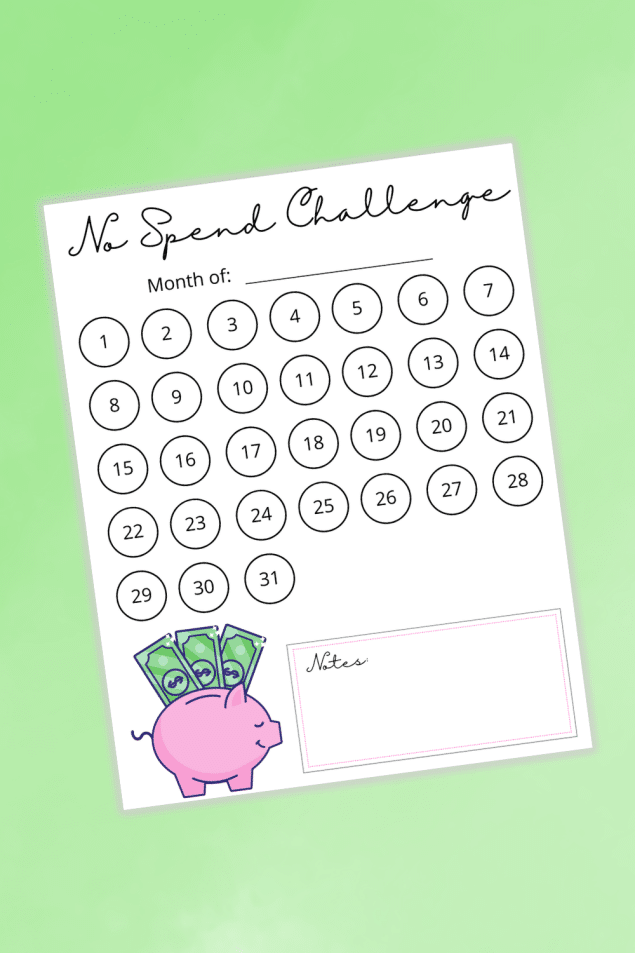
      And even better? We’ve got a free printable no spend tracker for you to help keep track of your spending throughout the month.

      Not only does this method help you monitor your spending habits, but it also brings you a step closer to achieving your financial goals.

      FREE Activities to Take Advantage of During a No Spend Challenge

      FREE Printable Savings Tracker

      FREE Printable Mortgage Payoff Tracker

      Why Use a No Spend Tracker?

      A no spend challenge, sometimes called a no spending challenge, is precisely what it sounds like.

      It’s a period of time—often a full month—where you aim to spend money only on essential monthly bills and necessities, avoiding all unneeded spending.

      This challenge offers a plethora of benefits, and using a no spend tracker amplifies these benefits. But why?

      Visual Reinforcement:

      There’s a sense of achievement when you see more green circles (not spending) than red ones (spending) on your tracker. This visual aid is a great way to stay motivated throughout the entire month.

      Tangible Control:

      In the age of digital items and products, a physical product like the free printable tracker makes a difference. It serves as a daily reminder, especially if you place it on your bathroom mirror or fridge, to be conscious of your spending habits.

      Financial Clarity:

      By the end of the month, you’ll be surprised at how much money you’ve saved.

      And those savings? They can go into your emergency fund, be used for a significant amount of money to pay down credit cards, or be steered towards other savings goals.

      Maximizing the Benefits of the No Spend Challenge

      Digital vs. Physical:

      While there are digital product versions like specific apps for tracking spending, the tactile nature of a physical product, like this printable planner, offers an unmatched experience.

      Every time you pick up that pen to fill in a circle, you’re making a conscious decision about your financial situation.

      Incorporating the Entire Family:

      The best way to make this challenge effective is to get everyone on board.

      Making it a family activity ensures that everyone is working towards a common goal. And hey, kids might find coloring the circles a fun activity!

      Savings and Financial Goals:

      The purpose of a no spend day or month is to change your spending habits over time.

      You’ll have a clearer picture of where your money goes, helping you tailor your savings and financial goals.

      Getting Started

      Download the No Spend Tracker:

      At the bottom of this article, there’s a link to an instant download of my free printable tracker.

      Fill in your email address and it will be sent to your email address. The design is simple, efficient, and US letter size. It’s the perfect tool to guide you through your next challenge.

      Set Your Own Rules:

      While there are some standard spend challenge rules, remember that you can customize this to fit your lifestyle.

      Whether you’re doing a weekly challenge or aiming for a no spend November, the rules are yours to set!

      Example Wants vs. Needs List (Optional – Customize to Fit Your Budget!)

      When starting a no spend challenge, it helps to define your wants vs. needs so you can stick to your personal spending goals.

      This list is just a guide — feel free to adjust based on what’s essential for your lifestyle and family.

      Needs (Essentials – okay to spend on):

      • Rent or mortgage
      • Utilities (electricity, water, gas)
      • Basic groceries and household staples
      • Gas or transportation
      • Insurance (health, auto, etc.)
      • Medical care or prescriptions
      • Childcare or school-related necessities

      Wants (Non-essentials – try to pause during the challenge):

      • Fast food, takeout, or coffee runs
      • New clothes or shoes (unless truly needed)
      • Home decor, candles, or seasonal items
      • Subscriptions (streaming, beauty boxes, etc.)
      • Hobby supplies or craft materials
      • Impulse Amazon or Target buys
      • Entertainment (movies, concerts, etc.)

      Tip: What counts as a “want” or “need” may be different for everyone. Use this list as a starting point and tailor it to your own spending plan!

      Stay Informed and Connected:

      Join my email list to get great ideas, new spend challenge printables, and to stay updated. And don’t forget to check out my selection results for other free printables!

      Important Points to Note

      Digital Nature of this Item:

      Though the no spend tracker is a digital file, ensure you print it out each month to make the most of the challenge.

      Remember, this free printable is for personal use only. Commercial use or reselling is not permitted.

      The Inclusivity of the Challenge:

      Whether it’s video games, physical items, or even shipping fees for a much-desired product, the no spend challenge encompasses everything. Be strict, but also ensure it’s achievable.

      Don’t Beat Yourself Up:

      If you notice more red circles than green on your tracker, it’s okay! Learn from it and make the next time better.

      Wrapping Up

      By the end of the challenge, not only will you be in a better place financially, but you’ll also gain control of your money and spending.

      The ultimate goal here? Financial freedom.

      And while the road there might seem tough, tools like our no spend tracker and the consistent effort to avoid excessive spending will make the journey smoother.

      So, if you’re embarking on this journey for the first time or even if it’s a recurring effort, remember, every little bit counts.

      Every green circle you color in on your tracker is one step closer to being on top of your finances.

      How to Complete the No Spend Tracker

      Utilizing the no spend tracker is straightforward and visually rewarding. For every day you successfully refrain from spending on unnecessary items, color the corresponding circle in a vibrant green.

      This serves as a positive affirmation of your discipline. On days where temptation wins and you find yourself spending on non-essentials, mark the day with a bold red.

      Over time, this visual representation will not only showcase your progress but also highlight patterns in your spending behavior.

      The contrasting colors serve as a quick reference, motivating you to achieve more green days and understand the triggers behind the red ones.

      Embrace the tracker as a tool for self-awareness and growth in your financial journey.

      Ready to start? Grab the free printable pdf below and let the no spend days roll in!

      Get a free no spend challenge tracker!

        We respect your privacy. Unsubscribe at anytime.

        Frequently Asked Questions

        What exactly is a no spend challenge?

        A no spend challenge is a commitment to not spend money on unnecessary items for a specific period of time, such as a day, week, or an entire month.

        The goal is to focus on your spending habits, save a significant amount of money, and ultimately achieve better financial stability.

        How does the free printable no spend tracker work?

        This free printable tracker is designed to help you keep track of your spending during the challenge. For each day you don’t spend money on unnecessary items, you fill in a circle with green.

        If you do spend, it’s marked in red. By the end of the month, you’ll have a visual representation of your spending habits.

        Can I use this printable for the entire year?

        The good news is that this design can be used repeatedly. Print it off each month, or print 12 copies for the whole year!

        I see this is a digital product. Can I share it with my family and friends?

        The digital nature of this item means it’s available for instant download.

        However, the free printable is for personal use only. I encourage sharing the product link so they can download their own, but please refrain from commercial use or redistribution.

        What if I don’t have a printer for the printable item?

        The printable is designed in US letter size, making it suitable for most home printers. If you don’t have a printer, local print shops or libraries often offer affordable printing services.

        Can I make my own rules for the no spend challenge?

        Of course! While there are general spend challenge rules, the challenge is flexible. Customize it based on your financial situation, monthly bills, and specific goals.

        How much money can I expect to save?

        The amount varies depending on your usual spending habits. Some have saved just a few dollars, while others have saved a lot of money by the end of the challenge.

        Every bit counts toward your financial goals, be it clearing credit cards, building an emergency fund, or other savings goals.

        Where can I find more such great ideas and free printables?

        Join my email list or mailing list to stay updated. Our selection results frequently include new digital items, printable planners, and other resources to help you stay on top of your finances.

        I completed my first no spend challenge. When can I start the next challenge?

        Congratulations on completing your first challenge! You can start your next challenge whenever you feel ready.

        Some people prefer back-to-back challenges, while others take a break in between. Find what works best for you.

        Remember, the purpose of a no spend day or month is not to deprive yourself but to gain control of your money and work towards financial freedom.

        It’s a great way to reflect on unnecessary and unneeded spending and make impactful changes in your life.

      • How to Reuse and Repurpose Last Year’s School Supplies

        How to Reuse and Repurpose Last Year’s School Supplies

        How to Reuse and Repurpose Last Year’s School Supplies to Save Big This Year

        Back-to-school shopping can get expensive fast, especially when you’re buying new supplies for multiple kids.

        But before you head out to stock up on folders, markers, and lunchboxes, take a few minutes to shop your home first.

        You might be surprised at how many items you already have from last year that can be reused, repurposed, or refreshed—helping you save a lot of money on school supplies.

        Here are some practical, creative, and budget-friendly ways to reuse and repurpose school supplies you already have—and only spend money on what you truly need.

        1. Take Inventory Before You Shop

        Before you even think about heading to the store, round up all the school supplies hiding in your drawers, closets, backpacks, and even your car. Check:

        • Old backpacks and lunchboxes
        • Junk drawers
        • Desk organizers
        • Craft supply bins
        • Closets and storage totes

        Create or print a back to school supply checklist of what you already have.

        This step alone can save you from buying duplicates of scissors, rulers, glue sticks, or composition notebooks you may have plenty of already.

        2. Clean and Refresh Old Supplies

        A lot of last year’s items just need a little TLC to be good as new. Try these simple hacks:

        • Crayon and pencil boxes: Wipe them down with disinfecting wipes.
        • Binders and folders: Remove old pages and add new label stickers or washi tape to give them a fresh look.
        • Pencil pouches: Toss in the wash (if cloth) or wipe down with a cleaning spray.
        • Markers and pens: Test each one and toss out dried items. Combine usable ones into a complete set.

        3. Repurpose Supplies for New Uses

        Thinking outside the box can help you save even more. Here are a few creative ideas:

        • Empty notebooks with leftover pages can become scratch paper, homework trackers, or journal notebooks.
        • Backpacks with minor wear can be cleaned and passed down to younger siblings or used as gym bags.
        • Last year’s folders can be flipped inside out and redecorated.
        • Broken crayons can be melted into fun new shapes using silicone crayon molds (great project for the kids too!).

        4. Combine and Conquer: Create Sets

        Do you have three half-used packs of colored pencils?

        Combine them into one complete set and label it.

        Gather spare erasers, glue sticks, or highlighters and assemble ready-to-go supply kits for each child. This is a great opportunity to teach kids about using what you have and being resourceful.

        5. Use Extra Supplies for Homework Stations

        If you have an overflow of certain supplies (like pens, loose paper, or rulers), set up a designated homework station at home.

        This keeps essentials within reach and avoids scrambling to find things during study time.

        Use old shoeboxes or mason jars to organize tools, or repurpose a utensil tray from the kitchen.

        Consider affordable desktop caddies or organizers that make study stations neat and functional.

        6. Reuse Last Year’s Backpack and Lunchbox

        These are big-ticket items that don’t always need replacing. Unless they’re torn or completely worn out, many backpacks and lunchboxes can be spot cleaned or washed and look like new.

        To freshen up:

        • Use a gentle detergent or spot cleaner.
        • Air them out in the sun to eliminate odors.
        • Add a fun backpack patch, keychain, or pin for a new look.

        7. Fill in the Gaps: Shop Smart for What You Truly Need

        After taking inventory and refreshing what you already own, make a small shopping list of what’s actually needed. Stick to the essentials and don’t get caught up in flashy trends.

        Frugal tip: If you do need to shop, Walmart offers a variety of back-to-school supplies for under $1—like glue sticks, notebooks, crayons, and pencils.

        You can shop online and pick up in store or have them delivered, saving both time and money.

        Final Thoughts

        The back-to-school season doesn’t have to mean breaking the bank.

        With a little creativity and a resourceful mindset, you can stretch your budget, avoid waste, and still send your kids to school with everything they need.

        Start by shopping your home first, repurposing what you have, and filling in the gaps only when necessary.

        Frequently Asked Questions

        Q: How do I know if last year’s supplies are still usable?
        A: Check for broken parts, dried-out markers, and missing pieces. If it still functions well, it’s good to reuse!

        Q: What’s the best way to clean a used backpack or lunchbox?
        A: Spot clean with soap and water or toss soft backpacks in the wash on a gentle cycle. Let them air dry completely.

        Q: What should I do with leftover loose notebook paper?
        A: Combine it into a binder or use it for homework, doodles, or scratch paper. No need to waste it!

        Q: How can I make old school supplies feel exciting again?
        A: Let your kids decorate with stickers, washi tape, or personalized labels. It gives older supplies a fresh new feel.

        Q: What items are okay to buy new each year?
        A: Items like glue sticks, dry erase markers, and erasers wear down quickly. If they’re dried out or nearly gone, replace them.

      • 7+ Thrifty Beach Day Hacks

        Ways to Save Money While Enjoying a Day at the Beach

        Summer is here, and a day at the beach is the perfect way to relax, soak up some sun, and create lasting memories.

        However, beach trips can quickly become expensive with all the food, activities, and gear needed.

        Don’t worry! I’ve got you covered with these thrifty beach day hacks to help you enjoy a fantastic day by the ocean without breaking the bank.

        Pack Your Own Snacks and Drinks

        One of the easiest ways to save money on a beach day is to bring your own snacks and drinks. Beachside vendors can be pricey, and a family of four can easily spend a small fortune on food alone.

        Pack a cooler with sandwiches, fruit, chips, and plenty of water. For a refreshing treat, freeze water bottles or juice boxes the night before – they’ll help keep everything cool and provide a cold drink later in the day.

        DIY Beach Toys

        Beach toys are a must for kids, but they can be surprisingly expensive. Instead of buying new ones, get creative with items you already have at home.

        Plastic containers, kitchen utensils, and even old Tupperware can make excellent sandcastle-building tools. You can also check out your local dollar store for affordable beach toys.

        Utilize Free Parking

        Beach parking can be a significant expense. Look for free parking options near the beach, even if it means walking a bit further.

        Many towns also offer free or discounted parking after a certain time in the afternoon, so plan your trip accordingly.

        Reuse and Repurpose

        Instead of buying new beach gear, look around your home for items you can repurpose. Old sheets or blankets make excellent beach towels, and large tote bags can double as beach bags.

        If you have a pool float, bring it along instead of buying a beach lounger.

        Plan Affordable Beach Activities

        You don’t need to spend money on beach rentals or activities to have a great time. Bring along a frisbee, volleyball, or kite for hours of fun.

        Beachcombing, building sandcastles, and collecting shells are all free activities that can keep everyone entertained.

        Share the Costs

        If you’re heading to the beach with friends or family, consider sharing the costs of larger items. Split the cost of renting an umbrella or beach chairs, and take turns bringing food and drinks.

        This way, everyone contributes, and no one feels the financial burden alone.

        Take Advantage of Nature

        Enjoy the natural beauty of the beach by taking long walks, swimming, or exploring tide pools. These activities are free and provide an opportunity to connect with nature and enjoy the peaceful surroundings.

        Use What You Have

        Before buying new items for your beach trip, take inventory of what you already have at home. An old pair of sunglasses, a hat, or an oversized shirt can serve as sun protection.

        The less you need to buy, the more you save.

        Look for Deals and Discounts

        If you do need to buy something for your beach day, look for deals and discounts. Check online for coupons, shop sales, or visit thrift stores for affordable beach gear.

        You can often find gently used items at a fraction of the cost.

        Final Thoughts

        A day at the beach doesn’t have to be expensive. With a little planning and creativity, you can enjoy a fun, memorable beach day without spending a fortune.

        Pack your own snacks, get crafty with beach toys, and take advantage of the natural beauty around you. Your wallet (and your family) will thank you!

        Do you have any favorite frugal beach day hacks? Share them in the comments below!