Big game day is one of the most-watched events of the year, and whether you’re hosting a small gathering of friends or a full house of football fans, party costs can quickly get out of control. From snacks to drinks to decorations, it’s easy to spend way more than you intended.
The good news? With a few smart strategies, you can throw a fun, crowd-pleasing game day party without draining your wallet. Here’s how to save money and still impress your guests.
1. Make It BYOB (Bring Your Own Beverage)
Drinks are often one of the biggest expenses for any party. Instead of footing the entire bill, ask guests to bring their favorite beer, wine, or soft drinks. Most people are happy to pitch in, especially when there’s a spread of snacks waiting for them. This simple step can save hundreds of dollars on your beverage budget alone.
Tip: Set up a labeled cooler or a small drink station so everyone knows where their contributions go.
2. Turn Your Party Into a Potluck
Food is another major expense, and the easiest way to save is to ask guests to bring a dish to share. From homemade dips to chips or even a side salad, potluck-style parties are cost-effective and give your spread more variety.
Pro Tip: Coordinate in advance so you don’t end up with ten bowls of the same dip. Use a simple spreadsheet or group chat to track who’s bringing what.
3. Skip the Pre-Made Items
It’s tempting to grab pre-made trays, potato salad, or giant subs, but these convenience foods come with a high price tag. By making simple snacks and sides yourself, you can save a lot while still serving tasty treats.
Smart Savings: Buy ingredients in bulk and make easy snacks like popcorn, deviled eggs, or homemade chips and dip. You’ll save money and add a personal touch to your party table.
4. Keep Decorations Simple
While decorations can make your space festive, over-the-top décor isn’t necessary. Most of your guests’ attention will be on the game, the commercials, and of course, the snacks. A few themed touches from your local dollar store or DIY projects are all you really need.
Money-Saving Idea: Paper banners, balloons, and simple table centerpieces can go a long way without blowing your budget.
5. Bonus Tip: Plan Ahead
Last-minute purchases are usually more expensive. Make a game day budget, plan your menu, and shop early to take advantage of sales and discounts. You’ll stay organized, save money, and avoid stressful last-minute runs to the store.
Throwing a big game day party doesn’t have to be expensive. With a little planning, smart shopping, and help from your guests, you can host a fun and frugal event that everyone will remember.
Extra Frugal Tips and Ideas for Your Big Game Day Party
Want to save even more while keeping your big game day party fun and memorable? Here are some practical ways to stretch your budget without cutting corners on flavor or fun.
Budget-Friendly Snack Ideas
Make your spread exciting without spending a fortune:
Popcorn with creative seasonings: Try ranch, chili powder, or Parmesan for an inexpensive twist.
DIY tortilla chips and salsa: Homemade chips are cheaper and just as tasty as store-bought.
Veggie sticks with homemade dip: Carrots, cucumbers, and bell peppers with a simple yogurt or ranch dip.
Deviled eggs or mini sandwiches: Affordable, filling, and easy to make ahead.
Cheese and cracker platter: Buy store brands or in bulk to save money.
Frugal Game Day Party Checklist
Use this simple checklist to stay organized and avoid last-minute overspending:
Drinks: BYOB or make a big batch of homemade punch.
Snacks: Make some DIY items and coordinate a potluck for variety.
Decorations: Dollar store finds or simple DIY banners.
Seating & setup: Repurpose what you already have at home.
Budget tracker: Keep track of what you spend so you don’t go overboard.
Extra Money-Saving Hacks
Buy store-brand snacks in bulk—it’s cheaper and lasts longer.
Use coupons, cash-back apps, or local grocery deals for last-minute items.
Serve snacks in repurposed containers instead of buying themed bowls or plates.
Freeze leftovers for future meals or snacks.
These tips make hosting a big game day party simple, fun, and budget-friendly. By planning ahead and using a few frugal hacks, you can throw a party your friends will love without overspending.
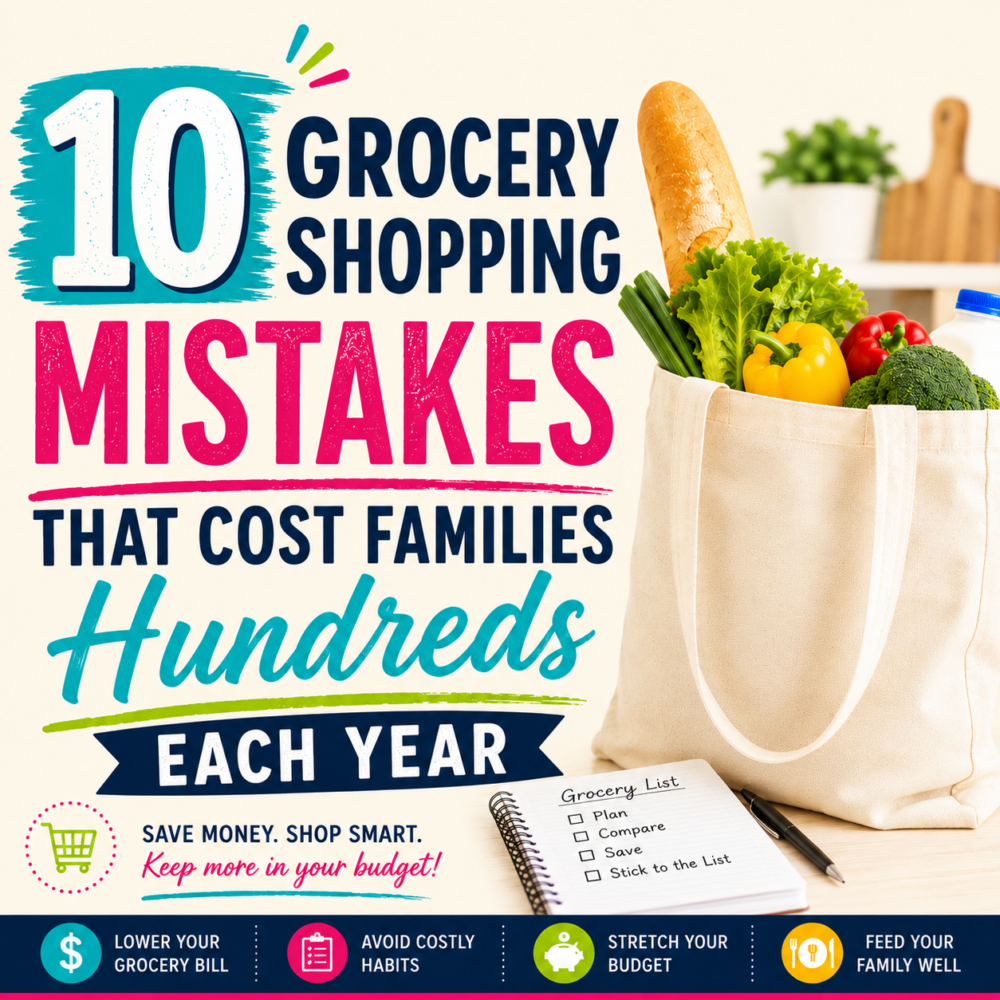
Groceries have never felt more expensive. Between rising food prices, supply chain issues, and the cost of convenience, families everywhere are feeling the pinch. If you’re stressed every time you go to the store, you’re not alone.
The good news? You can still save money on groceries without extreme couponing or eating nothing but beans and rice.
In this post, we’ll break down why prices are rising, the hidden costs that inflate your grocery bill, and practical strategies to stretch every dollar while still feeding your family well.
Here are practical ways to cut your grocery bill starting this week:
Plan Meals Ahead of Time
Even a simple 10-minute plan prevents last-minute, expensive takeout.
Buy in Bulk or Family Packs
Rice, beans, pasta, and frozen proteins last longer and cost less per serving.
Shop Store Brands
Most generic brands are identical in taste and quality to name brands.
Freeze Leftovers
Prevent food waste and stretch meals for another day.
Use Grocery-Saving Apps or Cashback Tools
Apps like Ibotta, Fetch Rewards, or store loyalty apps help you earn money back on groceries.
Save on everyday household products with P&G brandSAVER. Earn cash-back rebates, digital coupons, and rewards on select products, helping stretch your grocery budget even further.
Budget-Friendly Meal Ideas for Families
Here are a few quick and affordable meals that stretch ingredients and save money:
One-Pot Pasta with Veggies – Pasta, frozen veggies, and a simple tomato sauce
Chicken and Rice Bowls – Use leftover roasted chicken with rice and seasonal vegetables
Bean and Cheese Quesadillas – Beans, tortillas, and shredded cheese make a filling, cheap meal
Stir-Fry with Frozen Veggies and Rice – Quick, healthy, and inexpensive
Conclusion
Yes, groceries are expensive — but families can save money on groceries with a few intentional habits. Start by planning meals, buying in bulk, shopping store brands, and reducing convenience food purchases. Even small changes can save hundreds each month.
Try these tips this week and see how much you can save. Your wallet — and your family — will thank you!
Looking to build a well-stocked pantry without breaking the bank? With a few smart strategies, you can save money, reduce food waste, and ensure your family always has meals ready—even during busy weeks or emergencies.
In this guide, I’ll share 15 practical tips to stock your pantry on a budget and help you maximize your grocery trips.
1. Make a Pantry Stock-Up Plan
Before you hit the store, take inventory of what you already have. Decide which items you need most and which staples your family actually eats.
Pro tip: Make a list of 20–30 pantry essentials—things like canned beans, pasta, tomato sauce, rice, and canned vegetables. This helps you focus on items that add real value to your pantry.
Top Pantry Staples for a Budget-Friendly Pantry
Here are some essentials that are affordable, versatile, and have a long shelf life—perfect for stocking your pantry on a budget:
Grains & Pasta
Rice (white, brown, or instant)
Pasta noodles
Quinoa or couscous (optional for variety)
Canned & Jarred Goods
Beans (pinto, black, kidney, or chickpeas)
Canned chicken or tuna
Canned vegetables (corn, green beans, peas)
Tomato sauce & diced tomatoes
Canned fruit in juice
Baking & Cooking Essentials
Flour, sugar, and baking powder
Salt, pepper, and basic spices
Oil (vegetable, canola, or olive)
Honey or syrup
Snacks & Convenience Items
Crackers
Granola bars
Nut butters
Drinks & Pantry Beverages
Powdered or boxed drinks
Shelf-stable milk or milk alternatives
Bottled water or large packs
2. Buy Pantry Staples in Bulk
Buying in bulk can save a lot over time. Compare the unit price of jumbo packs versus smaller portions, and only stock what you will realistically use.
Example: A large bag of pasta may cost less per ounce than multiple smaller packs, and you can portion it into smaller containers at home.
Every grocery store has a sales cycle for staples like pasta, canned vegetables, and cereal. Track weekly ads over a few months to identify when items hit their lowest price, then stock up.
Tip: Keep a record of sale prices so you always know when it’s time to buy.
4. Clip Coupons (Digital and Paper)
Coupons aren’t just for extreme savers anymore. Most stores offer digital coupons via their loyalty programs.
Check weekly ads for special deals.
Use store apps for digital coupons.
Combine coupons with sales for maximum savings.
Don’t forget to take advantage of money-saving apps like Ibotta and Fetch Rewards while shopping. They’re free, easy to use, and a great way to earn cash back on everyday pantry staples.
You can also save on everyday household products with P&G brandSAVER. Earn cash-back rebates, digital coupons, and rewards on select products, helping stretch your grocery budget even further.
5. Check Clearance Aisles
Grocery stores often mark down items due to packaging changes, overstock, or approaching “best by” dates. You can find great deals on:
Rice, sugar, and flour
Canned goods
Snacks and beverages
Tip: Only buy items you can realistically use before they expire.
6. Shop During National Food-Themed Months
Certain times of the year bring extra discounts on pantry items. For example, February is National Canned Food Month, with sales on:
Canned meat, vegetables, and fruit
Vegetable juices and canned milk
If you miss the month, look for sales cycles and stock up on dried beans, lentils, or pasta for long-term savings.
7. Prioritize Foods You Actually Eat
Stocking up on items you dislike doesn’t save money—it wastes it. Be honest about your family’s favorites.
Ideas:
Pasta sauces and noodles for spaghetti
Canned beans for chili or salads
Canned chicken for sandwiches and casseroles
Canned vegetables for easy side dishes
8. Fight Food Waste with Smart Storage
Properly storing foods extends shelf life and prevents waste. For long-lasting staples, focus on:
Tip: You can learn canning on YouTube or find affordable supplies at thrift stores.
11. Use Reusable Containers for Bulk Items
Divide bulk purchases into smaller, airtight containers to maintain freshness. This works for:
Snacks like chips or pretzels
Cereal, rice, and beans
Baking ingredients
12. Don’t Forget Drinkable Essentials
Stock up on water packs, powdered drinks, or boxed juices when on sale. These are often cheaper in bulk and last a long time.
13. Combine Sales, Coupons, and Loyalty Programs
For maximum savings, combine:
Store sale prices
Digital or paper coupons
Loyalty card perks
This strategy can save you 20–50% on your pantry essentials over time.
14. Make a Pantry Checklist
Track your stock to avoid buying duplicates and to see what you need next. A simple spreadsheet or printable checklist works wonders.
Tip: Update your list monthly and plan your grocery trips around sales.
15. Start Small, Then Expand
You don’t need a completely full pantry overnight. Start with a few high-priority staples and gradually add more. Over time, you’ll build a well-rounded, budget-friendly pantry that supports your family and your wallet.
Final Thoughts
Stocking your pantry on a budget is easier than it seems. With careful planning, strategic shopping, and smart storage, you can reduce grocery bills, fight food waste, and always have meals ready for your family.
Looking to stock your pantry on a budget? One of the easiest ways is to shop Amazon Grocery, where you can find affordable pantry staples delivered straight to your door.
How to cancel: Go to account settings in each app.
12. Forgotten “Grandfathered” Subscriptions
Old software, music services, or apps from years ago.
These are the hardest to notice.
How to find them fast:
Download last 2 months of bank statements
Highlight anything under $20
Investigate every unknown charge
How to Find Hidden Monthly Bills in 10 Minutes
Step 1: Open your bank app
Step 2: Filter by “recurring”
Step 3: Search for small charges ($2–$15)
Step 4: Check PayPal & Apple/Google subscriptions
Step 5: Cancel immediately
How Much Can This Really Save?
Most families find:
$20–$50/month in forgotten bills
$240–$600 per year
That’s groceries, gas, or a utility bill—without changing your lifestyle.
You don’t need a complicated budget to save money this year.
Start by keeping what you already earn.
Canceling forgotten monthly bills is one of the fastest wins for any frugal household.
Don’t Forget Another Bill! To make saving money even easier, I created a free “Monthly Bills Tracker” you can print and fill in at home. Keep track of all your subscriptions and hidden charges so nothing slips through the cracks.
Sign up below to get your free tracker delivered straight to your inbox and start saving today!
If you’re looking to save money, reset your spending habits, or take control of your finances, a no spend challenge might be just the thing you need.
Whether you’re on a tight budget, trying to pay off debt, or just want to curb impulse spending, this guide will walk you through everything you need to know—especially how to tell the difference between wants and needs during a no spend month.
What Is a No Spend Challenge?
A no spend challenge is a commitment to not spend money on anything outside of essential needs for a set period of time.
Common time frames include:
A no spend week
A no spend 30 day challenge
A no spend weekend
A no spend month
Even a no spend year (for the truly bold!)
The goal? Break bad money habits, become more aware of your purchases, and find contentment with what you already have.
Who Should Do a No Spend Challenge?
A no spend challenge is great for anyone trying to save money fast or get back on track financially. It’s especially helpful for:
Families on a budget
People trying to cut unnecessary spending
Those working toward financial goals like paying off credit cards, building an emergency fund, or saving for a big purchase
Anyone who feels like they’re constantly asking “Where did my money go?”
When Is the Best Time to Start a No Spend Challenge?
You can start a no spend challenge anytime, but here are popular times for starting a no spend month:
After the holidays (to recover from overspending)
At the beginning of the year (as a financial reset)
Back-to-school season (to limit shopping temptation)
During a specific savings goal (like planning a vacation or paying off debt)
At the start of a new month (starting at the beginning is a great way to reset spending habits)
Pro tip: Avoid starting during major life events, birthdays, or holidays unless you’re confident you can stay focused.
Why Do a No Spend Challenge?
There are many benefits of doing a no spend challenge:
You’ll identify your spending triggers
You’ll learn how much you actually need vs. want
You’ll become more resourceful
You’ll save money without needing to increase your income
You’ll gain a better understanding of your financial habits
How Does a No Spend Challenge Work?
It’s simple in concept:
Set your time frame – decide how long you’ll challenge yourself.
Define your rules – what expenses are allowed (needs), and what aren’t (wants)?
Track your progress – write down every time you avoid a purchase.
Reflect at the end – review how much you saved and what you learned.
The Heart of the Challenge: Wants vs. Needs
The most important part of a no spend challenge is being honest about what’s truly a need and what’s a want. It’s the foundation of your success.
What Are Needs?
Needs are essential to survival and basic well-being. These are non-negotiables in your spending.
Examples of needs during a no spend challenge:
Housing: Rent or mortgage
Utilities: Electricity, water, gas, internet (if required for work or school)
Groceries: Basic food to feed yourself or your family
Transportation: Gas, bus fare, car maintenance (only if needed)
Healthcare: Medicine, doctor visits
Basic hygiene items: Soap, shampoo, toilet paper
Think: Can I live without this right now? If the answer is no, it’s likely a need.
What Are Wants?
Wants are non-essential items or experiences that bring convenience, comfort, or entertainment—but aren’t required.
Examples of wants during a no spend challenge:
Eating out or fast food
New clothes or shoes (unless replacing essentials)
Streaming subscriptions
Makeup and beauty products beyond basics
Coffee shop drinks
Toys, books, or hobby supplies
Home décor or seasonal decorations
Delivery or takeout fees
Wants are often disguised as “needs,” but remember—if you can pause the purchase without serious consequences, it’s probably a want.
Tips to Help You Stick to Wants vs. Needs Rules
Make a “pause list”: If something tempts you, write it down and revisit after the challenge.
Meal plan: Avoid “I don’t feel like cooking” takeout traps.
Avoid browsing apps and stores: Out of sight, out of mind!
Unsubscribe from sales emails: Don’t get lured by “limited-time” offers.
Remind yourself of your goal: Keep your “why” front and center.
Frequently Asked Questions: Wants vs. Needs During a No Spend Challenge
1. Can I buy something if it’s on sale during the challenge?
If it’s a need and you truly can’t wait, yes. But if it’s a want, the answer is no—even if it’s 90% off.
2. What about buying gifts for others?
This depends on your rules. You might plan ahead before your challenge, DIY a gift, or give your time or service instead.
3. Are toiletries considered needs?
Basic hygiene items are needs. But luxury bath bombs or new skincare products you don’t need yet fall into the “want” category.
4. Is internet a want or a need?
It depends. If it’s required for work or school, it’s a need. If you only use it for streaming or social media, reconsider.
5. What if I already paid for something ahead of time?
That’s okay. The challenge is about new spending decisions—not punishing yourself for the past.
You’re Ready to Take the Challenge
Now that you know how to spot the difference between wants and needs, you’re in a strong place to start your no spend challenge with confidence.
You’ll learn more about yourself and your habits than you expect—and your bank account will thank you for it.
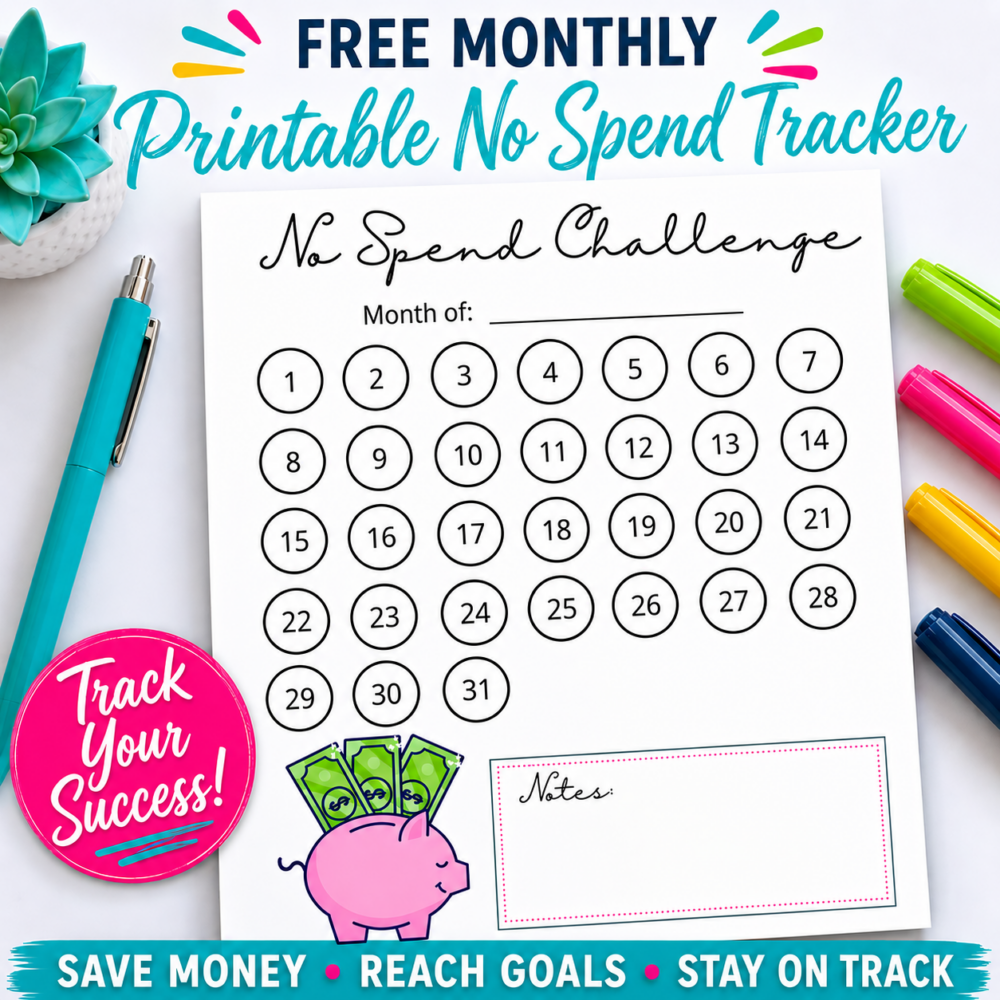
To help you stay on track, I’ve created a free printable no spend challenge tracker you can use to monitor your progress and stay motivated.
Important note: Before buying a book you think might be valuable, always do your own research to confirm its worth. Check recent sales on sites like eBay, verify edition and condition, and look for any special markings or signatures. Book values can vary widely based on demand, rarity, and condition, so a quick check can help you avoid overpaying and ensure you’re making a smart purchase.
Hey there, savvy bookworms and frugal enthusiasts! Are you ready to embark on a treasure hunt that won’t break the bank?
Well, hold onto your bargain-hunting hats because we’re about to dive into the wonderful world of thrift store shopping!
Whether you’re a dedicated penny-pincher, a lover of vintage finds, or simply a book lover on a budget, this post is tailor-made just for you.
Benefits of Thrift Store Shopping
Thrift stores aren’t just dusty old warehouses filled with forgotten relics. Oh no, my thrifty friends, they are magical places where hidden gems patiently await discovery.
Not only do thrift stores offer an incredible selection of pre-loved items at rock-bottom prices, but they also give you the opportunity to contribute to a more sustainable and eco-friendly lifestyle.
It’s a win-win situation for your wallet and the planet!
Finding Valuable Books
Now, let’s talk about the real hidden treasures lurking within those thrift store shelves—valuable books!
Yes, you heard that right. Among the rows of old knick-knacks and worn-out clothes, lies a treasure trove of literary wonders waiting to be unearthed.
In this post, we’re going to reveal the secret sauce to spotting those valuable books that can potentially turn your frugal purchase into a priceless investment.
So, grab your tote bags and sharpen your bargain-hunting senses because we’re about to set off on a thrilling journey through the pages of valuable books at thrift stores!
Thrill of the Thrift Store Experience
Picture yourself stepping into your local thrift store, the air filled with the scent of hidden possibilities.
It’s like stepping into Willy Wonka’s chocolate factory, but instead of candy, you’re surrounded by racks of pre-loved clothes, shelves of old books, and tables overflowing with knick-knacks.
It’s a place where excitement lingers in the air, and you never know what fantastic discoveries await you.
Potential Hidden Gems Among Donated Books
Now, let’s talk about the real stars of the thrift store show—books!
Among the jumble of well-loved novels, there are hidden gems waiting to be discovered. Local thrift stores, estate sales, flea markets, and even garage sales can be a goldmine for valuable books.
Think of it as a game of hide-and-seek where you get to unearth literary treasures. From rare first editions to beloved children’s books, the possibilities are endless.
Affordability Factor
One of the best parts about thrift store shopping is the affordability factor.
While retail stores may charge an arm and a leg for new releases, the same books can often be found at a fraction of the price in thrift stores.
It’s a budget-savvy bookworm’s dream come true! Imagine finding a copy of “Harry Potter and the Philosopher’s Stone” or “The Great Gatsby” for just a few bucks.
That’s the magic of thrift store shopping – it allows you to build your book collection without breaking the bank.
But here’s the good news – valuable books don’t always come with a high price tag. Sometimes, they’re hiding in plain sight, waiting for an open mind and an eagle eye to spot them.
A second edition of Jane Austen’s “Pride and Prejudice” or an early copy of Roald Dahl’s “Charlie and the Chocolate Factory” could be sitting on the shelves, priced the same as any other book.
By paying close attention to the book section, flipping through those secondhand books, and taking a closer look at title pages and original dust jackets, you might stumble upon first edition copies of beloved classics that hold much value.
So, my frugal friends, if you’re looking for a great way to score some amazing deals, explore a world of knowledge, and maybe even make a little extra money on the side, thrift store shopping for valuable books is the way to go.
It’s like a side hustle and a treasure hunt wrapped into one!
Plus, it’s not just about books – you never know what other valuable items you might find along the way, from vintage clothing to vinyl records and even comic books.
In the next sections, we’ll delve into specific types of books that are often worth a pretty penny, so get ready to dive deeper into the realm of valuable books at thrift stores.
Remember, keep an open mind, be patient, and let the adventure unfold as you explore the shelves of your local thrift stores and beyond.
Differentiating between valuable and common books
When it comes to finding valuable books at thrift stores, it’s essential to sharpen your detective skills and separate the hidden gems from the common paperbacks.
Let’s delve into the key characteristics that make a book valuable.
Rare and First Edition Books
Keep an eye out for rare and first edition books that can fetch a higher price. These are the holy grail of thrift store finds!
Imagine stumbling upon an original first edition copy of J.R.R. Tolkien’s “The Hobbit” or F. Scott Fitzgerald’s “The Great Gatsby.”
These timeless classics can be worth a lot of money, and the thrill of discovering such literary treasures is unmatched.
Books with Collectible Qualities
Some books have unique collectible qualities that make them highly sought after.
Look for limited editions, books with special illustrations or prints, or books tied to popular series like the Harry Potter books.
These gems can captivate collectors and enthusiasts, and their value often extends beyond their literary content.
Books by Renowned Authors
Certain authors have a devoted following, and their books tend to hold value.
Think James Joyce, Charles Dickens, Herman Melville, or Jane Eyre’s creator, Charlotte Brontë. Their works have stood the test of time and continue to be sought after by avid readers and collectors.
Tips for Recognizing Valuable Books
Now that we know what to look for, let’s equip ourselves with some insider tips for recognizing valuable books hidden among the shelves of thrift stores.
Checking for Signatures or Inscriptions
A book signed by the author or containing a personal inscription can significantly enhance its value.
Flip through the pages and pay close attention to the title page or endpapers for any autographs or dedications.
Researching Authors and Titles
Knowledge is power!
Before your thrift store expedition, do a bit of research on well-known authors, their famous works, and any specific editions that are highly sought after.
This background information will help you spot valuable books amidst the stacks.
Understanding the Condition and Edition
Assessing a book’s condition is crucial. Look for books in good shape, free from major damage or excessive wear.
Additionally, pay attention to the edition of the book. A first edition or a second edition of a beloved classic can hold a higher price tag.
Remember, a keen eye and an open mind are your best companions in this literary adventure.
Keep your fingers crossed for that original dust jacket, an intact title page, or even a hidden treasure between the pages.
And don’t forget, it’s not just about the classics. Valuable books can come in many forms, from modern releases to Pulitzer Prize winners like “To Kill a Mockingbird” by Harper Lee or Ian Fleming’s “Casino Royale.”
With these tips in your arsenal, you’re ready to navigate the shelves of thrift stores, yard sales, and estate sales like a seasoned rare book collector.
Stay patient, be thorough, and let the magic of thrift store shopping unfold.
In the next section, we’ll delve into specific categories of valuable books that you should keep a special lookout for.
Valuable Book Categories
Classic Literature: Timeless authors and titles
Ah, classic literature – the crown jewel of book collections!
These timeless authors and titles have captivated readers for generations and continue to hold immense value.
Look out for well-known names like Jane Austen, William Shakespeare, F. Scott Fitzgerald, Charles Dickens, and J.R.R. Tolkien.
Their works, such as “Pride and Prejudice,” “Romeo and Juliet,” “The Great Gatsby,” “A Tale of Two Cities,” and “The Lord of the Rings” series, are highly sought after and can fetch a pretty penny.
Value of classics
Classics stand the test of time for a reason.
They delve into universal themes, offer profound insights, and showcase exceptional storytelling.
Their enduring value lies in their ability to transcend generations and continue to resonate with readers of all ages.
Whether you’re a fan of the beautifully crafted language of Jane Austen or the grand adventures of J.R.R. Tolkien, classics have a special place in the hearts of book enthusiasts.
High-demand classics
If you stumble upon a first edition of “To Kill a Mockingbird” by Harper Lee or an early printing of “Moby-Dick” by Herman Melville, hold onto it tightly!
These highly regarded classics are always in high demand, and their scarcity can drive up their value. Other examples include “1984” by George Orwell, “Catch-22” by Joseph Heller, and “The Catcher in the Rye” by J.D. Salinger.
So keep your eyes peeled for these literary treasures during your thrift store adventures.
Non-Fiction Gems
Popular non-fiction genres
While classics may steal the spotlight, non-fiction books also hold incredible value.
Explore popular non-fiction genres such as biographies, history, science, and self-help.
From inspiring memoirs by prominent figures to groundbreaking scientific discoveries, non-fiction books have the power to educate, entertain, and change lives.
Discussing influential authors and their works
Look out for influential authors like Malcolm Gladwell, Bill Bryson, and Yuval Noah Harari.
Their thought-provoking works, such as “Sapiens,” “The Tipping Point,” and “A Short History of Nearly Everything,” have gained widespread acclaim and can command higher prices in the secondhand market.
Finding valuable non-fiction books
To find valuable non-fiction books, pay attention to Pulitzer Prize winners, books with groundbreaking research, or works that have had a significant impact on society.
Keep an eye out for titles like “Guns, Germs, and Steel” by Jared Diamond, “The Power of Now” by Eckhart Tolle, or “The Immortal Life of Henrietta Lacks” by Rebecca Skloot.
These gems can provide both intellectual stimulation and potential financial value.
Collectible Children’s Books
The world of vintage children’s books
Children’s books have a special place in the world of collectibles.
Vintage editions of beloved classics like “Alice’s Adventures in Wonderland” by Lewis Carroll or “Charlie and the Chocolate Factory” by Roald Dahl can bring back nostalgic memories and hold considerable value.
Popular authors and illustrators
Look for books by renowned authors and illustrators such as Dr. Seuss, Maurice Sendak, Beatrix Potter, and Eric Carle.
Their timeless tales, enchanting illustrations, and limited edition releases make them highly sought after by collectors and young readers alike.
Identifying collectible children’s books
When searching for collectible children’s books, pay attention to limited edition releases, books in excellent condition, or those with special features like pop-ups or signed copies.
Don’t forget to check for popular series like the Harry Potter books, as certain editions or box sets can hold significant value.
Limited Edition and Signed Books
Explaining the appeal of limited edition books
Limited edition books hold a special allure for collectors. These editions often come with unique features like special covers, illustrations, or added content.
The limited availability of these books makes them highly desirable and can result in higher prices. Keep an eye out for numbered copies, books from small presses, or special anniversary editions.
Value of signed copies
Books with an author’s signature can bring a sense of personal connection and increased value.
Imagine finding a signed copy of “To Kill a Mockingbird” by Harper Lee or “Harry Potter and the Philosopher’s Stone” by J.K. Rowling.
These autographed treasures can make a significant difference in their worth.
Examples of limited edition or signed books to look for
Examples of limited edition or signed books to keep an eye out for include “The Hobbit” by J.R.R. Tolkien, signed copies of “The Hunger Games” series by Suzanne Collins, or the early editions of “Casino Royale” by Ian Fleming.
Remember to inspect books closely for signatures, inscriptions, or edition numbers to ensure you’re adding a valuable find to your collection.
So, fellow frugal book hunters, armed with these insights into valuable book categories, embark on your thrift store adventures with excitement and an eye for hidden treasures.
In the next section, we’ll explore strategies for successful thrift store shopping to maximize your chances of finding those valuable books.
List of 50 Valuable Books to Look For
While the value of books can vary greatly depending on their condition, edition, and demand, here is a list of 50 valuable books to keep an eye out for at thrift stores:
“To Kill a Mockingbird” by Harper Lee
“The Great Gatsby” by F. Scott Fitzgerald
“The Catcher in the Rye” by J.D. Salinger
“1984” by George Orwell
“The Lord of the Rings” series by J.R.R. Tolkien
“Pride and Prejudice” by Jane Austen
“Alice’s Adventures in Wonderland” by Lewis Carroll
“The Hobbit” by J.R.R. Tolkien (First Edition)
“Harry Potter and the Philosopher’s Stone” by J.K. Rowling (First Edition)
“Moby-Dick” by Herman Melville (First Edition)
“The Chronicles of Narnia” series by C.S. Lewis (First Edition)
“Brave New World” by Aldous Huxley
“The Adventures of Tom Sawyer” by Mark Twain (First Edition)
“The Picture of Dorian Gray” by Oscar Wilde
“Lord of the Flies” by William Golding
“Animal Farm” by George Orwell (First Edition)
“Catch-22” by Joseph Heller (First Edition)
“The Sun Also Rises” by Ernest Hemingway (First Edition)
“The Grapes of Wrath” by John Steinbeck (First Edition)
“A Clockwork Orange” by Anthony Burgess (First Edition)
“One Hundred Years of Solitude” by Gabriel Garcia Marquez
“To the Lighthouse” by Virginia Woolf (First Edition)
“The Old Man and the Sea” by Ernest Hemingway (First Edition)
“The Sound and the Fury” by William Faulkner (First Edition)
“Slaughterhouse-Five” by Kurt Vonnegut (First Edition)
“Gone with the Wind” by Margaret Mitchell (First Edition)
“The Hound of the Baskervilles” by Arthur Conan Doyle (First Edition)
“The Shining” by Stephen King (First Edition)
“The Jungle Book” by Rudyard Kipling (First Edition)
“A Farewell to Arms” by Ernest Hemingway (First Edition)
“The War of the Worlds” by H.G. Wells (First Edition)
“The Call of the Wild” by Jack London (First Edition)
“The Adventures of Sherlock Holmes” by Arthur Conan Doyle (First Edition)
“East of Eden” by John Steinbeck (First Edition)
“Frankenstein” by Mary Shelley (First Edition)
“The Outsiders” by S.E. Hinton (First Edition)
“The Scarlet Letter” by Nathaniel Hawthorne (First Edition)
“Fahrenheit 451” by Ray Bradbury (First Edition)
“The Count of Monte Cristo” by Alexandre Dumas (First Edition)
“The Da Vinci Code” by Dan Brown (First Edition)
“A Streetcar Named Desire” by Tennessee Williams (First Edition)
“The Adventures of Huckleberry Finn” by Mark Twain (First Edition)
“Crime and Punishment” by Fyodor Dostoevsky (First Edition)
“The Hitchhiker’s Guide to the Galaxy” by Douglas Adams (First Edition)
“Anne of Green Gables” by L.M. Montgomery (First Edition)
“The Secret Garden” by Frances Hodgson Burnett (First Edition)
“The Iliad” by Homer (First Edition)
“The Odyssey” by Homer (First Edition)
“The Divine Comedy” by Dante Alighieri (First Edition)
“The Bible” (Early or Rare Editions)
Keep in mind that this is not an exhaustive list, and there may be other valuable books waiting to be discovered at thrift stores.
Always examine the condition, edition, and demand for a book before determining its value.
Strategies for Thrift Store Shopping
Timing is Everything: Best days and times to visit thrift stores
Timing is key when it comes to thrift store shopping.
While every day is an adventure, some days offer a better chance of stumbling upon valuable books. Weekends tend to be popular, so try visiting on weekdays when the stores are less crowded.
Mornings are often a treasure trove as fresh donations hit the shelves. Set your alarm clock and be one of the early birds to catch the worm—or in this case, the valuable books!
Exploring seasonal sales and events
Keep an eye out for seasonal sales and events at thrift stores.
During special occasions like holidays or change of seasons, thrift stores may offer discounts or promotions.
It’s a frugal book lover’s dream!
Get into the festive spirit and take advantage of these opportunities to find valuable books while saving even more.
Exploring Different Thrift Stores
Don’t limit yourself to just one thrift store. Each store has its own unique collection and treasures waiting to be discovered.
Take a tour of your local thrift stores and venture beyond the well-known ones. The smaller, lesser-known shops often hold hidden gems that others might overlook.
Explore different neighborhoods and expand your hunting ground for the best chance of finding valuable books.
Importance of smaller, lesser-known shops
Remember, big things come in small packages! Smaller thrift stores may not have the same foot traffic as the popular ones, but they can be a goldmine for rare finds.
These hidden gems often have a carefully curated selection of books and are less picked over by other shoppers.
So, step off the beaten path and explore the lesser-known thrift stores. You might just stumble upon a valuable book that others missed.
Networking with Store Employees
Don’t be shy! Strike up friendly conversations with the store employees.
They have a wealth of knowledge about the store’s inventory and can offer insights into recent donations or valuable books that might have come in.
Plus, building rapport with the staff can create a positive shopping experience and make future visits even more enjoyable.
Benefits of establishing relationships
Building relationships with store employees has its perks. They might give you a heads-up when they come across valuable books or be more willing to negotiate prices.
Establishing a friendly connection can make your thrift store adventures even more rewarding. Plus, it’s always nice to chat with fellow book enthusiasts!
Online platforms for thrift store book hunting
Expand your thrift store hunting grounds beyond the physical realm and step into the online world.
There are fantastic online platforms dedicated to thrift store book hunting.
These platforms aggregate books from various sources and offer a vast selection at affordable prices. It’s like having a thrift store at your fingertips!
Book-related forums and websites
Join book-related forums and websites where enthusiasts share their thrift store finds and valuable book discoveries.
These communities are a wealth of information and can provide insights, tips, and recommendations.
Whether you’re seeking advice or want to share your own experiences, these forums can be a treasure trove of knowledge.
By mastering these strategies, you’ll be well-equipped for your next thrift store adventure.
Remember, keep an open mind, have fun exploring different stores, connect with the store employees, and tap into the wealth of online resources.
Thrift store shopping for valuable books is not just a hobby—it’s a frugal and exciting treasure hunt that can lead to extraordinary finds.
Taking Care of Your Valuable Finds
Storing and Preserving Books
Once you’ve scored those valuable books from thrift stores, it’s important to store and preserve them properly.
Find a cool, dry place away from direct sunlight to prevent damage. Bookshelves or storage boxes with acid-free materials are your best friends.
Keep your books upright to avoid spine damage and use bookends for added support. Remember, a little TLC goes a long way in maintaining their value.
Importance of protecting valuable books
Valuable books deserve extra protection! Consider using acid-free archival covers to shield the dust jackets, especially for those first edition copies or books with intricate artwork.
Avoid eating or drinking near your books to prevent accidental spills or stains.
Treat them like the treasures they are, and they’ll reward you with years of reading pleasure and potential future value.
Understanding Book Appraisals
Curious about the value of your thrift store finds?
Book appraisals can give you a clearer picture. Appraisals involve assessing factors like rarity, condition, edition, and demand to determine the value of a book.
While professional appraisers are best suited for this task, keep in mind that not every book needs an appraisal. It’s worth considering for books you suspect may hold significant value.
Finding professional appraisers
Finding a reliable book appraiser is essential. Seek out reputable appraisers with expertise in rare books and valuable editions.
Remember to consider the appraiser’s fees and always do your research before making a decision.
Taking care of your valuable thrift store finds is crucial for preserving their value.
By implementing proper storage techniques and exploring book appraisals when necessary, you’ll ensure your valuable books remain in good condition and potentially increase in worth over time.
Treat them with the love and respect they deserve, and they’ll continue to bring you joy and, who knows, maybe even a substantial return on your thrifty investment.
Selling Valuable Books
Online marketplaces for book selling
Ready to turn your valuable thrift store finds into extra cash? Online marketplaces offer a convenient and wide-reaching platform for selling books.
Websites like Amazon allow you to list your books for sale to a global audience.
Take advantage of their user-friendly interfaces and extensive customer bases to connect with potential buyers and maximize your selling potential.
Exploring local options, such as bookstores and consignment shops
Don’t overlook local options for selling your valuable books. Independent bookstores, used bookshops, and consignment stores might be interested in purchasing or consigning your treasures.
These local businesses often have loyal customers who appreciate unique finds and might be willing to pay a fair price for your valuable books.
Plus, you’ll be supporting local businesses and connecting with fellow book lovers in your community.
Pricing and marketing valuable books
To maximize profitability, it’s crucial to price your valuable books strategically and market them effectively.
Research similar books on online marketplaces to get an idea of their pricing range. Consider factors like rarity, condition, demand, and current market trends.
Create compelling book descriptions highlighting the book’s unique qualities, such as first edition status, famous authors, or beautiful illustrations. High-quality photos can also make a significant difference in attracting potential buyers.
Negotiation strategies
Negotiation can be an art form when selling valuable books. Be open to reasonable offers and consider offering discounts for bundled purchases or repeat customers.
Remember, building rapport with potential buyers through friendly and professional communication can go a long way.
However, also know your bottom line and don’t be afraid to stand firm on your asking price if you believe it reflects the book’s true value.
Selling your valuable thrift store finds is not just about making a profit but also finding new homes for these cherished books.
Whether you opt for online marketplaces with their global reach or explore local options to support your community, strategic pricing, effective marketing, and friendly negotiation can help you maximize your selling potential.
Embrace the entrepreneurial spirit and turn your frugal book hunting into a profitable side hustle.
Value of finding valuable books at thrift stores
In the world of thrift store shopping, discovering valuable books is like finding hidden treasures amidst a sea of possibilities.
From rare first editions to beloved classics, thrift stores offer a great chance to stumble upon books that hold both sentimental and financial value.
The excitement of unearthing these literary gems is truly unparalleled.
Embark on your own treasure hunt
So, my fellow frugal adventurers, I encourage you to embark on your own treasure hunt at your local thrift store.
Armed with knowledge about valuable books and savvy strategies, you have the power to uncover literary treasures while saving a significant amount of money.
Step into the aisles with enthusiasm, curiosity, and an open mind—you never know what you might find!
Love for books and the joy of thrift store shopping
Thrift store shopping isn’t just about saving money; it’s about embracing the joy of the hunt, the thrill of the unexpected, and the love for books.
It’s a celebration of the written word and the stories that captivate us. Thrift stores provide an avenue to build your own collection, explore different genres, and connect with fellow book enthusiasts in your community.
So, go forth and browse the book section with an attentive eye.
Seek out those valuable books that hold both monetary and sentimental value. Enjoy the adventure, relish the discovery, and cherish the stories that will fill your shelves.
Thrift store shopping for valuable books is an exhilarating journey that combines frugality, adventure, and the love for all things literary.
Happy hunting, dear readers, and may your thrift store excursions be filled with the excitement of finding valuable books that will enrich your life and imagination!
This website uses cookies to improve your experience. We'll assume you're ok with this, but you can opt-out if you wish.AcceptRead More
Privacy & Cookies Policy
Privacy Overview
This website uses cookies to improve your experience while you navigate through the website. Out of these cookies, the cookies that are categorized as necessary are stored on your browser as they are essential for the working of basic functionalities of the website. We also use third-party cookies that help us analyze and understand how you use this website. These cookies will be stored in your browser only with your consent. You also have the option to opt-out of these cookies. But opting out of some of these cookies may have an effect on your browsing experience.
Necessary cookies are absolutely essential for the website to function properly. This category only includes cookies that ensures basic functionalities and security features of the website. These cookies do not store any personal information.
Any cookies that may not be particularly necessary for the website to function and is used specifically to collect user personal data via analytics, ads, other embedded contents are termed as non-necessary cookies. It is mandatory to procure user consent prior to running these cookies on your website.