
Request a FREE Riversol 15-Day Anti-Aging Sample Kit!
Frugal Living, Money Saving Tips, Freebies, and More!

Head over to request a FREE 62-page “Adventures in Parenting” booklet! Add to cart then checkout. Shipping is also free.
Based on decades of NICHD research on parenting, this 62-page booklet gives parents the tools they need to make their own decisions about successful parenting. The booklet provides real-world examples and stories about how some families include responding, preventing, monitoring, modeling, and mentoring in their own daily parenting activities.
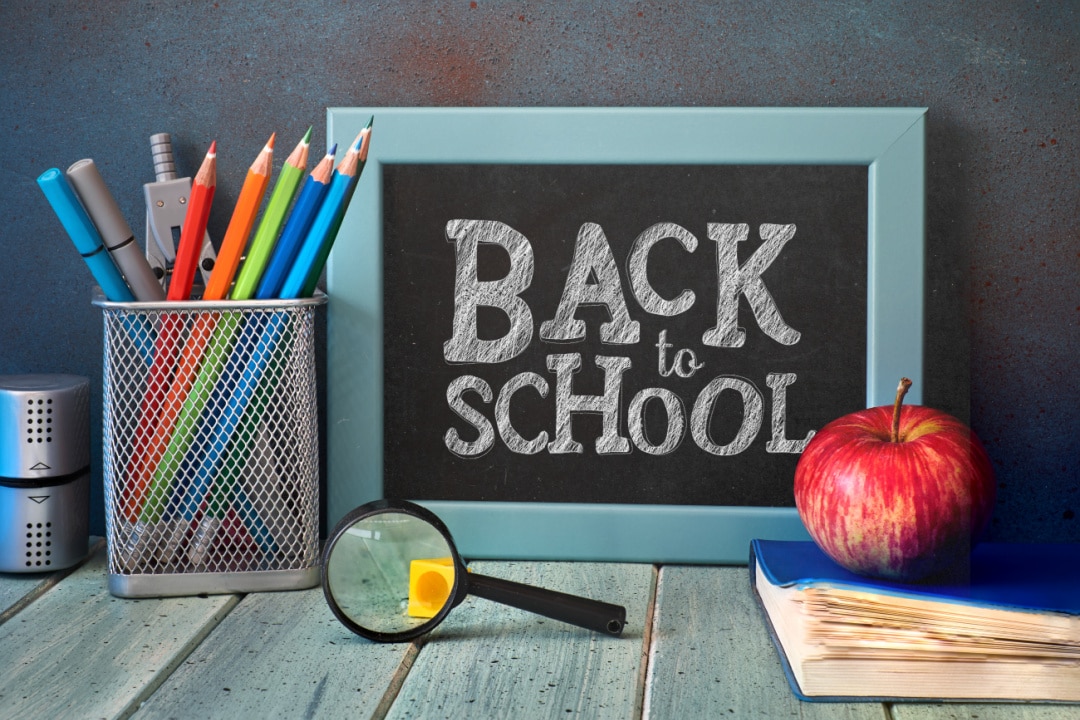
As the summer dwindles and the first day of school quickly approaches, students and parents across the globe find themselves embarking on the annual ritual of back-to-school shopping.
If you’re on a budget this year, there’s no need to worry – you can still gear up for the academic year with supplies that won’t break the bank.
I’ve put together a list of ten essential back-to-school items that you can find for under $10.
But first, if you’re in a hurry and want to shop from the comfort of your home, browse through these easy categories at Walmart for back to school supplies.
Back to School Supplies Under $10
Back to School Supplies Under $5
Back to School Supplies Under $1
Under $10: Back-to-School Essentials
1. Notebooks:
A quintessential school supply, notebooks are an everyday necessity for students of all ages.
Ranging from college-ruled to wide-ruled, one-subject to multi-subject, the variety is endless.
With eco-friendly options and a multitude of designs to choose from, notebooks under $10 are an easy find and a budget-friendly necessity.
Buy in notebooks in bulk to possibly save more money (may be over $10).
Check out the low price on these composition notebooks!
2. Pens and Pencils:
A pack of ballpoint pens or #2 pencils are easily available under $10.
Here’s a great deal on a set of 48 Ticonderoga pencils and 40 mechanical pencils you can snag right now.
Save any extras for next year or split up large packages if you have multiple children!
3. Highlighters:
From annotating textbooks to organizing notes, highlighters are an essential tool for students.
Packs of multi-colored highlighters can help differentiate information and make studying a little more colorful!
4. Folders and Binders:
Organizing assignments, handouts, and notes is crucial for academic success.
Plastic folders and small binders are a cost-effective way to keep everything in order.
And with a plethora of designs and colors available, these under $10 items also allow students to express their unique personalities.
5. Sticky Notes:
When it comes to reminders and quick notes, sticky notes are a student’s best friend.
They’re perfect for jotting down important points during lectures, marking pages in textbooks, or even writing motivational messages.
You can easily get a multi-pack of sticky notes in various colors and sizes for under $10.
6. Rulers and Protractors:
Geometry isn’t the only place where these tools come in handy.
From drawing perfectly straight lines to measuring objects for science projects, a good ruler and protractor can be useful additions to any student’s toolbox – and you can find these for less than $10.
7. Erasers:
Mistakes happen, but with a good eraser, they don’t have to be permanent. Whether you prefer the old-school pink erasers or the high precision of pen-like erasers, you can easily find these for under $10.
8. Index Note Cards:
Index note cards are a proven tool for learning and memorization.
Available in various sizes, and even in different colors for categorization, index note cards are a budget-friendly study aid, easily found under $10.
9. Pencil Case:
A stylish pencil case not only helps to keep writing tools organized but also adds a bit of flair to a student’s school supplies.
Whether it’s a simple zip pouch or a multi-compartment case, you can find a plethora of designs for under $10.
10. Lunch Boxes:
While not a traditional school supply, lunch boxes are a back-to-school necessity.
Keep meals fresh and safe with a variety of affordable options – insulated bags, bento boxes, sandwich containers – all for under $10.
This list just scratches the surface of what’s available for students on a budget.
Shopping for back-to-school supplies doesn’t have to be expensive to be effective. With these essential items under $10, students will be well-prepared for the school year without stretching their wallets too thin.
1. Where are the best places to find inexpensive school supplies?
Many traditional retailers such as Walmart, Target, and Dollar General offer back-to-school supplies at affordable prices. Online marketplaces like Amazon also provide a wide variety of options. Thrift stores and second-hand shops can also yield surprisingly affordable finds.
2. When is the best time to buy back-to-school supplies?
The best time to buy school supplies is usually during late July and August when retailers offer back-to-school sales. However, keep an eye out for deals throughout the year as many stores offer sales during other holidays and events.
3. Can I buy supplies in bulk to save money?
Bulk purchases, especially for items that are frequently used like pencils, pens, notebooks, and folders, can often be more cost-effective.
Check out these back to school bundles you can find to help you save time and money!
4. Are there apps or websites that can help me find the best deals?
Apps like Rakuten or RetailMeNot can alert you to coupons, sales, and cash back offers. Websites like CamelCamelCamel can track price changes on Amazon to help you find the best deal.
5. How do I determine if a deal is good or not?
Consider the quality, quantity, and the unit price of the item. If the item is of high quality, comes in a large quantity, and the cost per unit is lower than other options, it’s probably a good deal.
6. Should I buy name-brand items?
While name-brand items can sometimes offer better quality, they are often more expensive. Many generic or store-brand items offer comparable quality at a fraction of the price.
7. How can I save money on high-ticket items like calculators or backpacks?
Look for sales during the back-to-school season, use cash back apps, or consider purchasing gently used items from online marketplaces. Some retailers also offer price match guarantees.
8. What are some unexpected places to find budget school supplies?
Craft stores, office supply stores, and even grocery stores often have a section for school supplies that can offer great deals. Online marketplaces, such as eBay or Facebook Marketplace, can also have new or lightly-used school supplies at lower prices.
9. Are digital supplies a cheaper alternative?
In some cases, yes. Many apps and software that students need are available for free or at a reduced cost. However, remember that digital supplies also require devices like tablets or computers, which can be expensive.
10. Is it cheaper to shop online or in-store for school supplies?
Both can have their advantages. Online shopping can be more convenient and it’s easier to compare prices, while shopping in-store allows you to see the actual product and there’s no need to wait for shipping. Check both options to see where you can get the best deal.
The end of summer is nearly here, which means it’s time to start getting ready for back to school!
To help your little ones get excited for the new school year, I wanted to share these FREE Back to School Coloring Pages with you.
These fun pages are perfect for kids of all ages and feature adorable backpack-toting animals, school buses, and more. Print them out and let your child’s creativity flow!

Print FREE Back to School Coloring Pages and activity sheets on the Crayola website! There are several pages to choose from including:
Find more FREE printables here.
Request more freebies here and join our Facebook group to get notified when new freebies are available! Get freebies in your inbox! Subscribe for daily email updates.

August may seem like an odd time to start thinking about the holidays, but believe it or not, it’s the perfect time to start budgeting and saving.
After all, there are only four months till December, and we all know how quickly that time can fly by.
So, let’s get a head start and make sure the holiday season doesn’t put a dent in our wallets or become an overwhelming financial burden.
Creating a Frugal Gift Closet: Your Smart Money Saving Solution
Starting to save in August gives you plenty of time to build up a good cushion of funds for the holiday season. This not only includes Christmas but Thanksgiving, New Year, and any other holidays or events you might celebrate.
In addition, planning ahead allows us to make strategic financial decisions. It’s easier to save $200 over four months than to scramble to save $800 in November.
Starting early alleviates stress, and let’s be honest – the holiday season has enough stress as it is!
This can vary widely depending on your personal financial situation and your holiday plans.
Start by considering what your expenses were last year – gifts, food, decor, travel, and any additional costs.
If this is your first time setting a budget, start by estimating. Remember, it’s better to overestimate and have money left over than to underestimate and go over budget.
Once you have your estimated total, divide that by the number of weeks (or pay periods) between now and the holiday season. That gives you the amount you need to save each week or month.
Consider setting up a separate holiday savings account. This is a great way to avoid dipping into your holiday funds for other expenses.
Many banks allow you to set up free savings accounts. Plus, having a separate account can make tracking your savings progress easier and more motivating.
Identify areas where you can cut back and start saving more. Perhaps you can skip a few takeout meals, cut back on unnecessary shopping, or cancel a subscription service you rarely use.
Every bit you can funnel into your holiday savings will help. Make these sacrifices a part of your daily routine, and you’ll barely notice the difference in your lifestyle, but your savings account will certainly feel the impact!
Part of the reason we end up overspending during the holiday season is because of last-minute panic buying.
By planning your gifts ahead of time, you can spread the cost over several months and also take advantage of sales and discounts.
Write a list of all the people you want to gift and brainstorm gift ideas for each person. Then, keep an eye out for deals on those items in the lead-up to the holidays.
Shopping in this manner can save you money and also avoid the stress of last-minute shopping.
Do-it-yourself gifts and decorations can add a personal touch to the holidays, and they can also save you a lot of money.
From homemade candles and bath bombs to hand-knit scarves or personalized photo albums, there’s a wealth of DIY gift ideas out there.
Start working on these projects in August, and you’ll have plenty of time to create something truly special without feeling rushed.
The same goes for holiday decor – homemade decorations can look just as festive as store-bought ones, and can also become cherished holiday traditions.
Holiday meals can be another significant expense. Start planning your menus early and look out for sales and discounts on non-perishable items you can buy in advance.
Consider hosting a potluck-style meal where everyone brings a dish, spreading out the cost among the group. Not only does this save money, but it also introduces a wider variety of dishes to the meal!
The holiday season is a time for joy and celebration, not financial stress. By starting your saving plan in August, you give yourself the best chance to enjoy the festivities without worrying about your budget.
The goal is to create a holiday experience that is satisfying and joyful, without leaving you with a financial hangover in January.
Happy saving, and here’s to a frugal, festive, and fabulous holiday season!
Why should I start saving for the holidays in August?
Starting to save in August gives you four months to build up a good cushion of funds for the holiday season. This not only includes Christmas but also other holidays you might celebrate. It’s easier and less stressful to save money over several months than to try to save a large amount in a short time.
How can I determine how much I should save for the holidays?
This can vary widely depending on your personal financial situation and your holiday plans. Start by considering what your expenses were last year – gifts, food, decor, travel, etc. Divide that total by the number of weeks (or pay periods) between now and the holiday season to figure out how much you should be saving each week or month.
What is the benefit of having a separate holiday savings account?
A separate holiday savings account makes it easier to avoid dipping into your holiday funds for other expenses. It also allows you to track your savings progress more easily. Many banks allow you to set up additional savings accounts for free.
How can I save more money for the holidays?
Identify areas where you can cut back. This could mean skipping takeout meals, cutting back on shopping, or canceling a subscription service you rarely use. Each bit you can save and put into your holiday fund helps.
How can planning my shopping in advance help save money?
Planning your gifts ahead of time allows you to spread the cost over several months and take advantage of sales and discounts. Plus, it helps you avoid overspending caused by last-minute panic buying.
Are DIY gifts a good idea?
DIY gifts can not only save you money but also add a personal touch to your gifts. There are plenty of DIY gift ideas online, and starting in August gives you plenty of time to work on these projects.
How can I save money on holiday meals?
Planning your meals early and buying non-perishable items in advance when they are on sale can help save money. You might also consider hosting a potluck-style meal where each guest contributes a dish, which can help spread out the cost.

If you’re like me, you understand the thrill of finding just the right gift, at just the right price.
But how often have we faced the last-minute rush, the frantic scramble to find a gift that’s meaningful without breaking the bank?
Too often, right? Well, today, I’m going to introduce you to a smart, frugal living strategy that will not only save you money but also take the stress out of gift-giving.
It’s a concept so straightforward, yet so brilliant, you’ll wonder how you’ve never thought of it before. So, what’s this budget-friendly, stress-relieving, time-saving solution?
Say hello to the concept of a Gift Closet. Imagine having a treasure trove of thoughtful gifts at your disposal, ready for any occasion. S
ounds exciting? Keep reading, as I guide you step-by-step on how to create a gift closet in your home, effectively saving money throughout the year, while retaining the joy of gifting.
A gift closet, quite simply, is a designated space in your home where you stash gifts for various occasions throughout the year.
Birthdays, anniversaries, weddings, holidays, host gifts – the list is endless. The beauty of the gift closet is that it allows you to take advantage of sales and discounts, buy in bulk, and prepare in advance.
You’re not just saving money, you’re also saving time and reducing stress.
The first step to creating a gift closet is finding the right spot. It doesn’t have to be a closet per se; any dedicated space will do.
Think of unused corners in your home, an empty shelf, a spare drawer, or even a well-organized box. The important thing is that it should be easily accessible, clean, dry, and protected from pets and children.
Knowing what you already have is crucial to avoid overbuying or duplicating gifts. Sort out your gifts by category: toys, home decor, books, electronics, and so on.
It’s also a good idea to maintain a running inventory list. Use simple solutions like a notebook, or go digital with apps and spreadsheets.
One of the keys to a successful gift closet is foresight. Take note of upcoming birthdays, anniversaries, and holidays.
Pay attention to your loved ones’ tastes and interests. This way, you’re less likely to make impulse buys that end up being less than perfect.
Now that your gift closet is ready, it’s time to stock up. This is where the frugal magic happens.
One of the prime advantages of having a gift closet is the ability to buy items on sale, long before you actually need them.
Post-holiday clearance sales, Black Friday deals, end-of-season sales — these are all opportunities to snag high-quality gifts at discounted prices.
Buying in bulk is another way to make significant savings, especially for items that don’t go out of style. Classic children’s toys, popular books, or kitchen gadgets make great bulk buys.
If you love unique finds and vintage items, thrift and antique stores can be your best friend. You can find beautiful, one-of-a-kind gifts at a fraction of their original price.
Platforms like eBay, Craigslist, or Facebook Marketplace often have new or gently used items at bargain prices. Stay vigilant for good deals, but be sure to vet sellers for credibility.
As with any frugal strategy, the gift closet requires a certain amount of discipline and management.
Just because something is on sale doesn’t mean you need it. Remember your inventory and upcoming occasions list. Buy with purpose, not just because the price is right.
Don’t let items sit for too long in your gift closet. If you notice something that’s been there for a while, consider using it for the next suitable occasion.
Stock up on wrapping supplies during sales, or better yet, use recyclable materials for an eco-friendly touch. You can also store gift bags to reuse, another smart way to save.
Seeing your savings grow is a powerful motivator. Keep track of how much you’re saving by using your gift closet. This not only reaffirms your frugal habits but also gives you a sense of achievement.
A gift closet is more than a money-saving strategy — it’s a way to simplify your life.
By being prepared, you can avoid last-minute shopping stress and enjoy the joy of giving. With a bit of planning and savvy shopping, your gift closet will become a cherished corner of your frugal lifestyle.
Remember, being frugal doesn’t mean being cheap. It’s about being smart with your resources and making the most out of every dollar. And that, is a gift that keeps on giving.
Absolutely! A gift closet doesn’t have to be an actual closet. It can be any dedicated storage area — a shelf, a drawer, a cabinet, or even a box. The key is to keep it organized and easily accessible.
Not if you buy timeless gifts. Classic children’s toys, best-selling books, home decor, and kitchen gadgets rarely go out of style. Plus, if you’re aware of your friends and family’s tastes, you’ll know what they’ll appreciate regardless of trends.
This is where your gift inventory comes into play. Regularly review what you already have, and only buy gifts if you find something truly unique or deeply discounted. Remember, the goal is to save money and reduce stress, not to accumulate unnecessary items.
Maintaining an event calendar is a simple solution. You can use traditional paper calendars, or go digital with Google Calendar or apps like Evernote. Remember to update it regularly with birthdays, anniversaries, and special events.
Categorize your gifts by occasion or type. This makes it easy to find what you need when the time comes. It’s also helpful to have a system for tracking your inventory, whether it’s a simple checklist or a digital spreadsheet.
Yes, it can! By planning ahead and purchasing gifts when they’re on sale or in bulk, you’re likely to spend less than if you’re rushing to buy presents at the last minute. It also helps you avoid panic buying, where you might end up spending more just to have a gift ready.
A good rule of thumb is to update your inventory every time you add or remove a gift. This way, you’ll always have a clear idea of what’s available at a glance.
However, it’s also advisable to do a more thorough review every three to six months to ensure that your gifts are still in good condition and appropriate for upcoming occasions.
Definitely! Having wrapping supplies on hand is part of being prepared. You can stock up on gift bags, wrapping paper, ribbons, and cards during post-holiday sales or whenever you spot a great deal. Remember to store them neatly to avoid damage.
While you’re choosing gifts based on what you think your friends and family members will like, it’s inevitable that sometimes they might not fully resonate with the gift.
In such cases, always include a gift receipt whenever possible. This shows that you care about their preferences and allows them to exchange the gift for something they’ll truly love.
Keeping a record of who received what can help prevent this from happening. This could be as simple as a note in your inventory, or you might choose to keep a dedicated gift log.
This not only prevents duplicate gifting but also allows you to track what types of gifts have been successful in the past.
Maintaining a budget is an essential part of frugal living. Keep track of your expenditures by saving receipts or making a note of the prices in your inventory. Some people find it helpful to set a yearly or monthly budget for their gift closet, and track their spending against that.
Not at all! While a gift closet is typically used for physical gifts, you can also use it as a place to store ideas for experience-based or digital gifts. For example, if you spot a great deal on a cooking class, concert tickets, or online course, you could purchase it in advance and note it down in your gift inventory.
This might happen if you’re buying gifts in advance without a specific recipient in mind. If you find yourself with excess gifts, consider donating them to a local charity or using them as prizes for community or family events. You could also re-sell them on online marketplaces. The key is to periodically review your inventory and ensure that every item has a purpose.