
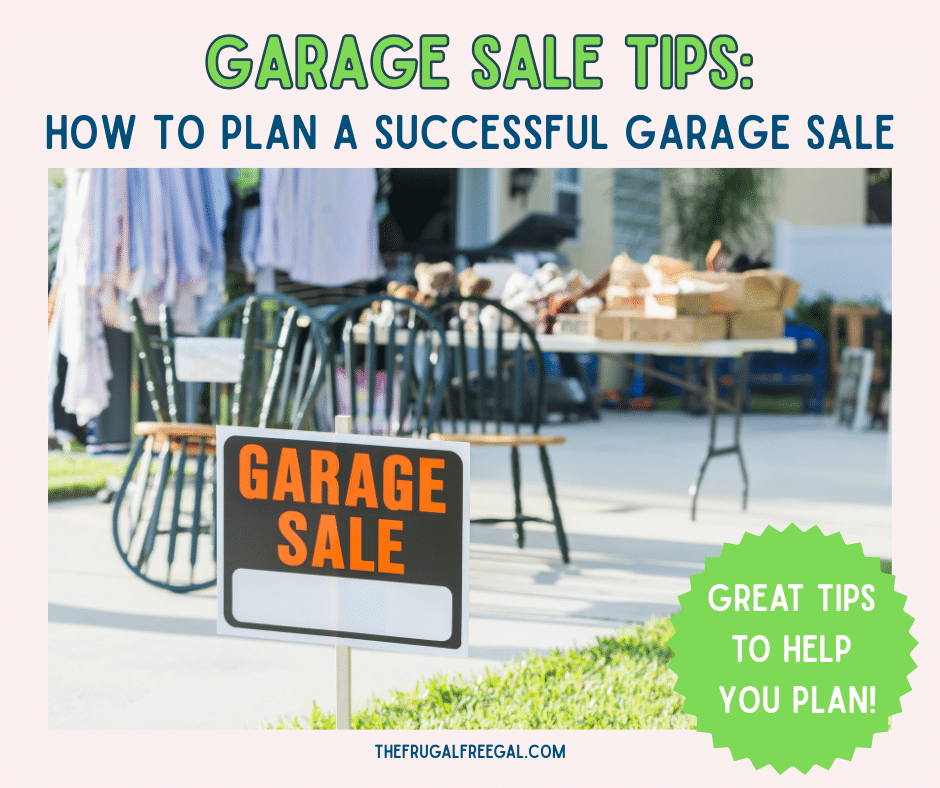
Planning a garage sale can be one of the fastest ways to declutter your home and make extra cash at the same time. But if you’ve ever hosted a yard sale that barely brought in shoppers, you already know that a little planning makes a huge difference.
From choosing the best day to price items and advertise your sale, these garage sale tips can help you attract more buyers, sell more stuff, and avoid the stress that comes with a last-minute setup.
Whether you’re trying to clean out closets, prepare for a move, or simply make extra money from things you no longer use, here’s how to plan a successful garage sale from start to finish.
Start Planning Your Garage Sale Early
One of the biggest mistakes people make is waiting until the last minute to organize a garage sale.
Give yourself at least 2 to 4 weeks to prepare. This gives you time to sort through your home carefully instead of throwing random items on tables the night before.
Start by going room by room and creating piles for:
- Sell
- Donate
- Trash
- Keep
The more organized you are upfront, the smoother your garage sale day will be.
Choose the Best Date for a Garage Sale
Timing matters more than many people realize.
Most successful garage sales happen on:
- Friday mornings
- Saturday mornings
- Holiday weekends
- The first weekend of the month
Spring and early summer are usually considered the best times for yard sales because people are already in cleaning and shopping mode.
Try to avoid weekends with:
- Heavy local events
- Major holidays where people travel
- Bad weather forecasts
If possible, start your sale early in the morning. Serious bargain hunters often arrive before the official start time.
Check Local Garage Sale Rules
Before setting everything up, check your city or neighborhood rules.
Some areas require:
- Garage sale permits
- HOA approval
- Limits on signs
- Restrictions on sale days
Skipping this step could lead to fines or complaints from neighbors.
Gather Garage Sale Supplies Ahead of Time
Having the right setup can make your sale look more organized and inviting.
Helpful supplies include:
- Folding tables
- Clothing racks
- Price stickers
- Permanent markers
- Plastic bags
- Extension cords
- Chairs
- Cash box
- Small bills and coins for change
You may also want a tarp or canopy in case of unexpected weather.
Price Everything Clearly
Nothing slows down a garage sale faster than shoppers constantly asking for prices.
Use stickers, masking tape, or labels so buyers can quickly see prices without needing help.
A few general garage sale pricing tips:
- Price items lower than you think
- Round numbers work best
- Bundle small items together
- Offer discounts later in the day
People come to garage sales looking for deals. Pricing too high usually means bringing items back inside.
Put Your Best Items in Front
First impressions matter.
Place larger or more attractive items near the street or driveway to catch attention from passing cars.
Popular garage sale items include:
- Furniture
- Baby gear
- Toys
- Tools
- Home decor
- Electronics
- Brand-name clothing
The more visible your best items are, the more likely people are to stop.
Make Your Garage Sale Easy to Shop
A cluttered setup can overwhelm buyers.
Instead:
- Group similar items together
- Keep walkways open
- Hang clothing if possible
- Separate free items into their own box
- Display breakables safely
Think of your garage sale like a small store. The easier it is to browse, the longer people will stay.
Advertise Your Garage Sale Everywhere
Advertising can make or break your sale.
The more people who know about it, the better your chances of selling more items.
Some of the best places to advertise a garage sale include:
- Facebook Marketplace
- Local Facebook groups
- Craigslist
- Neighborhood apps
- Community bulletin boards
- Yard sale websites
Be sure to include:
- Date and time
- Your area or neighborhood
- Major items for sale
- Photos of larger items
Using keywords like “multi-family garage sale,” “baby items,” “tools,” or “furniture” can also help attract more shoppers online.
Use Large, Easy-to-Read Signs
Garage sale signs still matter — especially for local traffic.
Use:
- Bold letters
- Thick markers
- Bright poster board
- Simple arrows
Keep wording short and easy to read from a moving car.
Place signs at:
- Major intersections
- Neighborhood entrances
- Busy nearby roads
Don’t forget to remove signs after the sale ends.
Have Plenty of Change and Payment Options
Many people still pay cash at garage sales, so having change is important.
Try to have:
- $1 bills
- $5 bills
- Quarters
- Small change
You may also want to accept digital payments through apps like:
- Venmo
- Cash App
- PayPal
Some shoppers buy more when they are not limited by the cash in their wallet.
Be Ready to Negotiate
Garage sale shoppers love to bargain.
Instead of getting frustrated, plan for it ahead of time by pricing items slightly higher than your minimum acceptable amount.
You can also offer:
- Bundle deals
- Fill-a-bag discounts
- Half-off pricing later in the day
The goal is usually to declutter and make money — not bring everything back into the house.
Keep Safety in Mind
When hosting a garage sale at your home, basic safety matters.
A few simple tips:
- Lock your doors
- Keep valuables out of sight
- Avoid letting strangers inside
- Have another adult present if possible
- Keep cash with you instead of unattended
If you’re selling expensive items, meet buyers in visible areas.
Donate Leftover Items Quickly
Once your garage sale ends, avoid dragging leftovers back into storage.
Plan ahead by deciding where unsold items will go:
- Donation centers
- Churches
- Shelters
- Thrift stores
Some charities even offer pickup services for larger donations.
Garage Sale Planning Can Pay Off
A well-planned garage sale can help you clear clutter, simplify your home, and bring in extra money at the same time.
The key is staying organized, pricing reasonably, and making it easy for shoppers to browse and buy.
With the right setup and a little preparation, your next yard sale could be far more successful — and a lot less stressful.