Frugal Living, Money Saving Tips, Freebies, and More!

  • How to Save Money on Greeting Cards

    Do you love to send or give greeting cards for every occasion, but cringe at the thought of how much it’s eating into your budget?

    If yes, you’ve landed on the right page!

    Here’s a comprehensive guide on how to save money on greeting cards, while still sending love and well wishes to your friends and family.

    Buy in Bulk

    Purchasing cards individually can be costly, particularly for special occasions like birthdays or holidays.

    However, if you know you’ll need a few throughout the year, why not buy in bulk?

    Many retailers offer greeting card packs with a variety of messages for different occasions. These are usually more cost-effective than purchasing individual cards.

    For instance, if a single card costs $4, a bulk pack of 20 might cost $30, effectively reducing the cost to $1.50 per card.

    That’s significant savings!

    Utilize Discount Stores

    Don’t overlook the power of discount stores.

    These budget-friendly stores often have a vast selection of greeting cards for every occasion at a fraction of the price you would pay at a regular retail store.

    You’ll find beautiful designs and messages that cater to every sentiment, be it birthdays, anniversaries, or holidays.

    Embrace DIY

    If you’re crafty and love a creative project, why not make your own greeting cards?

    Homemade cards add a personal touch that your loved ones will surely appreciate, and they’re usually cheaper to produce.

    All you need are some basic craft supplies like cardstock, colored pencils, glitter, glue, and maybe some stamps or stickers.

    You can also find blank cards and envelopes for card making.

    Plus, DIY can be a fun and therapeutic activity!

    E-cards

    In our increasingly digital age, e-cards have become an accepted and appreciated form of communication.

    They’re convenient, instant, and most importantly, free or very inexpensive!

    There are countless websites where you can customize e-cards with your personal message and send them via email or social media.

    And don’t worry, e-cards can still carry that personal touch – many sites allow for customization with photos or personal messages.

    Keep an Eye Out for Sales

    Be on the lookout for sales, especially after big holidays.

    Many retailers discount their holiday-specific cards post-holiday, which is a great time to stock up for the following year.

    You may have to plan ahead, but the savings are often worth it.

    Check out Online Marketplaces

    Online marketplaces such as Amazon often have fantastic deals on greeting cards.

    These platforms host a variety of sellers who offer bulk packs of greeting cards at discounted prices.

    Be sure to read reviews and check the seller ratings to ensure you’re getting quality cards.

    Start a Card Exchange

    Consider starting a card exchange with friends, neighbors, or family.

    The idea is simple – everyone buys a pack of cards, then swaps with each other. This way, you get a variety of cards for the cost of a single pack.

    It’s a fun, economical way to diversify your greeting card stash.

    Explore Dollar Stores

    Don’t underestimate dollar stores when hunting for affordable greeting cards.

    You’d be surprised at the selection they have to offer, often at a price tag of just $1 or even less.

    While they might not always have the most intricate designs, they serve the purpose and convey the message at an unbeatable price.

    Go for Printable Cards

    The internet is brimming with printable greeting cards that you can simply download and print at home.

    Many are free, while some might require a nominal fee.

    With a good quality printer and cardstock, you can have a gorgeous greeting card ready in no time.

    One of my favorite websites to print free cards is Homemade Gifts Made Easy! You can find a variety of adorable designs on this website.

    Card-making Apps

    Several smartphone apps let you design your own cards.

    Apps like Canva have user-friendly interfaces, and you can choose from a myriad of designs, fonts, and colors to create a card that’s uniquely you.

    Once done, print it out or go green by sharing it digitally.

    Visit Your Local Library

    Yes, your local library could be a resource for saving on greeting cards.

    Some libraries have resources like craft workshops, or they may have cardstock and other materials that you can use for free or for a small fee.

    They might also have card-making books for inspiration.

    Repurpose Old Cards

    Don’t throw away your old cards!

    With a little creativity, you can repurpose them into new ones. You can cut out images or messages and create a collage on a new piece of cardstock.

    Not only is this cost-efficient, but it also adds a nostalgic touch to your cards.

    Being frugal doesn’t mean you need to give up on lovely traditions like sending greeting cards.

    With these tips, you can continue spreading joy to your loved ones without breaking the bank.

    Remember, the value of a greeting card doesn’t lie in its price tag. It’s the thought and sentiment that truly counts.

    By getting creative and shopping smart, you can save money while keeping the tradition alive.

    With these money-saving tips in your frugal toolkit, you’ll be ready to share the love on every occasion without stressing about the cost.

    So go ahead, bring out that pen, and pour out your heart without pouring out your wallet!

    Frequently Asked Questions

    Isn’t it cheaper to just send a text or an email instead of a greeting card?

    A text or an email is definitely cheaper, and even free. However, a physical greeting card carries a personal touch and sentimentality that digital communication often lacks.

    That being said, e-cards are a great compromise between cost-effectiveness and conveying heartfelt sentiments.

    I’m not very crafty. Can I still make my own cards?

    Card-making doesn’t have to be complex. Even a simple handwritten note on a piece of cardstock can be a beautiful, meaningful card. There are also plenty of card-making tutorials online for beginners.

    Where can I find printable cards online?

    Websites such as Homemade Gifts Made Easy (mentioned above) offer a range of free printable card templates.

    What is the quality of greeting cards from dollar stores or discount stores like?

    While the quality may not match up to premium greeting card stores, dollar store and discount store cards often serve their purpose well.

    They usually have a variety of designs and messages to choose from, and the quality is generally decent, considering the low price point.

    I like the idea of e-cards, but are they really acceptable for all occasions?

    While the acceptance of e-cards can depend on the individual and the occasion, they have become widely accepted in this digital era.

    E-cards can be customized with personal photos and messages, making them suitable for nearly any occasion.

    How do I start a card exchange?

    Starting a card exchange is as simple as reaching out to friends or family members who might be interested.

    You can set up a schedule (like once a year) and exchange cards in person or through mail.

    I want to repurpose old cards, but isn’t it inappropriate to send a reused card?

    Not at all! Repurposed cards are not only eco-friendly but also come with a unique, personal touch. It’s not about reusing the entire card, but about repurposing elements of it.

    By using bits and pieces to create a new card, you’re not only recycling but also creating something unique and heartfelt.
  • Best Days and Times to Go Thrift Store Shopping

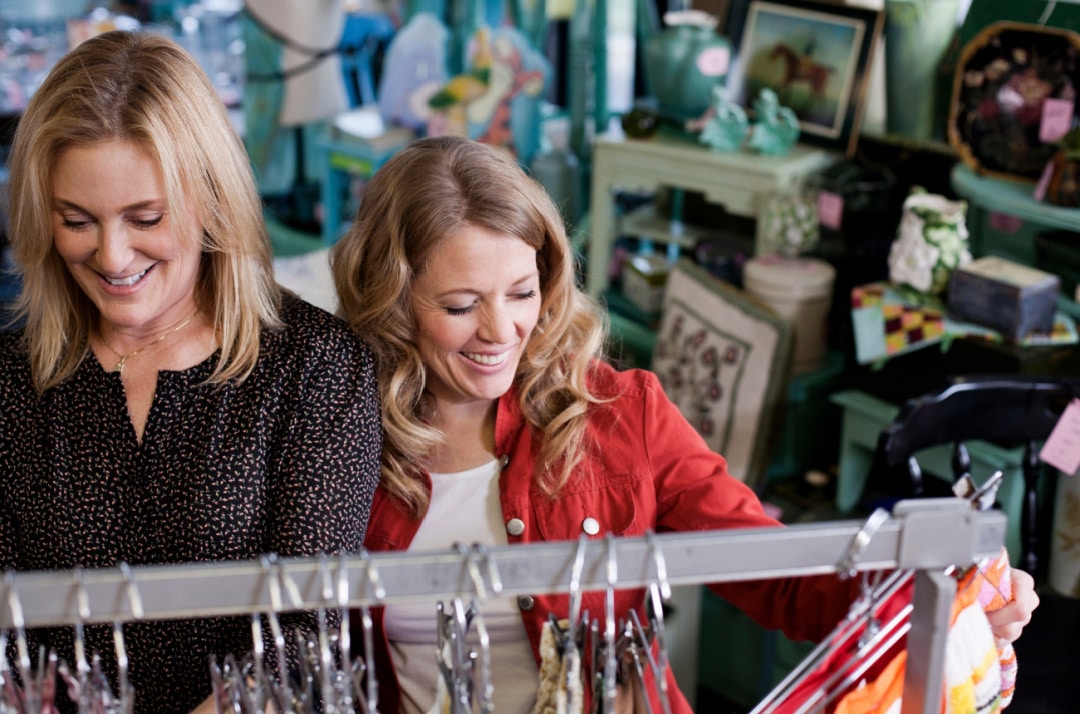
    Thrift shopping has become an increasingly popular trend among frugal individuals seeking affordable and unique items.

    Local thrift stores offer an array of treasures, from vintage clothing to household goods, at a fraction of the price you would find in regular retail stores.

    The Art of Thrift Shopping – Summer Edition

    50 Most Valuable Books to Look for at Thrift Stores

    However, to truly master the art of thrift store shopping, it’s essential to know the best days and times to maximize your chances of finding great deals and quality items.

    In this comprehensive guide, we will explore the optimal days, strategies, and tips for thrift store shopping, ensuring you make the most out of your frugal adventures.

    Understanding the Best Days to Go Thrift Store Shopping

    Thrift shops receive new items on a regular basis, making it crucial to identify the days when fresh stock arrives. Generally, weekdays are favorable for thrift shopping, particularly Monday mornings.

    On Mondays, thrift stores typically restock their shelves after weekend donations and spring cleaning activities. Arriving early in the day gives you the advantage of being the first to browse through the newly replenished inventory.

    Additionally, keep an eye out for sale days or specific discount days at your local thrift store. Many thrift shops offer discounted prices on certain days of the week, such as half-price Wednesdays or color tag discounts.

    By staying informed about these special sales, you can score even better bargains on a variety of items.

    The Best Time of Year for Thrift Store Shopping

    Certain seasons offer optimal opportunities for thrift store shopping. Spring and summer are particularly favorable times, as people engage in spring cleaning and donate unwanted household items.

    During these seasons, thrift stores receive an influx of donations, resulting in an abundance of quality items and a higher chance of finding great deals.

    Moreover, it’s worth noting that the fashion industry often influences thrift store donations. When fashion trends change or new products are released, individuals often donate their gently used or outdated items.

    Keeping up with current fashion trends and timing your thrift store visits accordingly can increase your chances of finding trendy or vintage clothing at affordable prices.

    Strategies for Maximizing Your Thrift Store Shopping Experience

    Research Local Thrift Stores

    Start by identifying the thrift stores in your area. Explore both large cities and small towns, as each location offers its unique selection and prices.

    Familiarize yourself with well-known thrift store chains like Value Village, Salvation Army, and Goodwill, as they often have numerous locations with a wide variety of inventory.

    Stay Connected on Social Media

    Many thrift stores, especially smaller local businesses, promote their inventory and sales through social media platforms like Facebook and Instagram.

    By following your favorite thrift stores on social media, you can stay updated on new arrivals, special discounts, and sale events.

    This way, you’ll be among the first to know about any upcoming opportunities to snag great items.

    Visit Consignment Shops and Vintage Stores

    In addition to traditional thrift stores, consignment shops and vintage stores are excellent alternatives for finding unique and high-quality items.

    Consignment shops typically offer gently used items from individuals looking to sell them for a percentage of the profits.

    Vintage stores specialize in curated collections of retro and timeless pieces. Exploring these establishments can lead to fantastic finds for fashion-forward individuals.

    Team Up with Friends and Family

    Thrift shopping can be a fun and rewarding experience when shared with loved ones. Invite friends or family members who share your thrifting enthusiasm to join you on your adventures.

    Not only can you exchange tips and ideas, but they might also spot items you might have missed.

    Additionally, you can organize a clothing or item swap among yourselves, expanding your wardrobe or household items without spending a dime.

    Explore Online Thrift Stores and Marketplaces

    In recent years, online thrift stores and platforms like eBay, Poshmark, and Facebook Marketplace have gained popularity.

    These platforms offer a convenient way to browse and purchase thrifted items from the comfort of your home.

    While online thrift shopping lacks the thrill of discovering items in person, it opens up a vast range of options and allows you to search for specific items more easily.

    Additional Tips and Considerations While Thrifting

    Be Open to Exploration

    Thrift store shopping is an adventure, and the best finds often come from unexpected places. Don’t limit yourself to specific sections or categories.

    Explore all corners of the store and browse through various sections, including home goods, electronics, and books. You never know what treasures await you.

    Utilize Dressing Rooms

    Many thrift stores offer dressing rooms where you can try on clothing before making a purchase. Take advantage of this opportunity to ensure items fit you properly and are in good condition.

    This way, you can avoid any disappointment and make informed decisions.

    Keep an Eye on Tag Colors

    Some thrift stores utilize a color tag system to designate discounts. These color-coded tags indicate the price reduction applied to the item.

    Be on the lookout for items with tags in your favorite discounted colors to optimize your savings.

    Don’t Be Discouraged

    Thrift store inventory varies from day to day and location to location. If you don’t find what you’re looking for on one visit, don’t get discouraged.

    Thrift shopping is all about patience and perseverance. Keep exploring different stores, and you’re likely to stumble upon some amazing finds.

    Plan your thrift shopping trip today!

    Thrift store shopping is a great way to acquire unique, affordable, and quality items while embracing a frugal lifestyle.

    By understanding the best days and times to go thrift store shopping, you can increase your chances of finding hidden gems and scoring incredible deals.

    Remember to research local thrift stores, stay connected on social media, and explore various options such as consignment shops and online thrift stores.

    With these strategies and tips in mind, you’ll become a thrifting connoisseur, uncovering remarkable finds while saving money and reducing your environmental impact.

    Frequently Asked Questions

    Here’s a list of frequently asked questions (FAQs) about the best days and times to go thrift store shopping for frugal readers:

    What are the best days to go thrift store shopping?

    Weekdays, particularly Monday mornings, are often considered the best days for thrift store shopping. This is when many thrift shops restock their shelves with new items.

    Are there specific discount days or sale days at thrift shops?

    Yes, many thrift stores have designated discount days or sale days. These days often offer even more affordable prices on already budget-friendly items.

    Is there a specific time of year that is ideal for thrift shopping?

    Spring is a great time for thrift shopping due to the increase in donations from spring cleaning. Additionally, after major holidays, thrift stores may receive an influx of donated items.

    Are there any special sales or deals during specific seasons?

    Yes, thrift stores may have seasonal sales or special promotions. For example, some stores offer discounts during the holiday season or back-to-school season.

    How can I find out about sales and special events at my local thrift store?

    Many thrift stores use social media platforms to announce sales and special events. Following your favorite thrift shops on social media can keep you informed about the latest deals.

    Are there specific days of the week that offer the best deals?

    While it may vary by store, some thrift shops have discount days on certain weekdays, such as half-price Wednesdays or special sales on Fridays.

    Are thrift stores a good place to find vintage items?

    Yes, thrift stores are known for offering a variety of vintage items, including clothing, accessories, and home goods. They can be a treasure trove for vintage enthusiasts.

    Should I visit larger cities or small towns for better thrift store finds?

    Both larger cities and small towns have their advantages. Larger cities may have a wider selection of thrift shops, while small towns may have less competition and unique items.

    Can I find good deals on household items at thrift stores?

    Thrift stores often have a range of household items, including kitchenware, furniture, and decor, at affordable prices.

    Are consignment shops a good option for thrifty finds?

    Consignment shops can be a great alternative to traditional thrift stores. They offer gently used items at various price points and may have a more curated selection.

    Are there any tips for getting the best bargains at thrift stores?

    Some tips include arriving early to beat the crowds, exploring different sections of the store, checking for color tag discounts, and being open to unexpected finds.

    Can I find great deals at flea markets as well?

    Flea markets can be another fantastic place to find unique and affordable items. They often feature a mix of vintage, handmade, and secondhand goods.

    Can I find good-quality clothing at thrift stores?

    Thrift stores often have gently used clothing in good condition. With a little bit of patience and a discerning eye, you can discover stylish pieces at affordable prices.

    Can I find specific items I’m looking for at thrift stores?

    While there are no guarantees, thrift stores receive a wide range of donations, so there’s a chance you might find the specific item you’re looking for. It’s always worth checking!

    Are online thrift stores a good option for frugal readers?

    Online thrift stores provide convenience and access to a larger inventory of secondhand items. Platforms like eBay, Poshmark, and Facebook Marketplace offer a wide range of options.

    Remember, thrift store shopping is an adventure, and with these tips and strategies, you can enhance your thrifting experience and find amazing deals on unique items.

    Happy thrifting!

  • How to Clean a Leather Jacket from a Thrift Store

    How to Clean a Leather Jacket from a Thrift Store

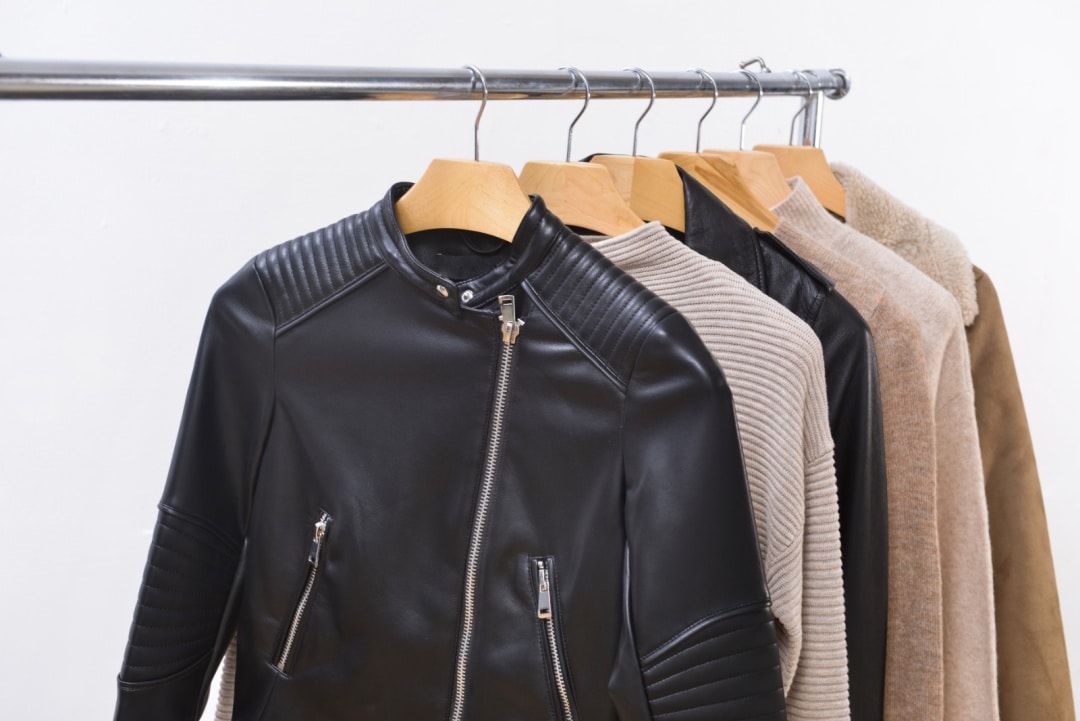
    A gem can often be found hiding among the racks of thrifted clothes – the unmistakable luster of a genuine leather jacket.

    Thrift store finds, such as a quality leather jacket, can be a great way to save money without sacrificing style.

    Best Days and Times to Go Thrift Store Shopping

    How to Clean and Disinfect Used Shoes from a Thrift Store

    While a new leather jacket may be a costly investment, a thrift store leather jacket often comes at a fraction of the price.

    But how does one revive a vintage piece and return it to good condition?

    You might wonder whether a dry cleaner would be the best way to get your thrifted leather jacket back in shape.

    While dry cleaning is an option, you might be surprised to learn that hand washing can also work wonders.

    Professional leather cleaners can be pricey, and with the right tools and techniques, you can rejuvenate your vintage clothing yourself without resorting to harsh chemicals.

    The first thing to keep in mind when caring for a leather item is that it’s a delicate material, more akin to skin than fabric. It needs proper care to keep it supple and vibrant.

    So, how exactly do you clean leather?

    First Step: Initial Cleaning

    Identify the type of leather. Is it a soft suede jacket, or a hardy motorcycle style? Some leathers can handle more frequent use and cleaning than others. If in doubt, check the care label or ask a professional cleaner for advice.

    Before you start the cleaning process, test your cleaning agent on an inconspicuous area to ensure it won’t have adverse effects. Start with a soft cloth dampened with cold water to gently wipe down the entire jacket. This will remove surface dirt and prepare the leather for a more in-depth cleaning.

    For more stubborn dirt, a mild soap or gentle detergent can be mixed with warm water to create a soapy cleaning solution. Apply the solution to a clean cloth and wipe over the jacket in gentle circular motions.

    Next Step: Stain Removal

    After the initial cleaning, you might notice some stubborn stains that didn’t disappear. Ink stains, oil stains, and even some food stains can be a pain to remove, but don’t worry, there are simple steps you can follow.

    Ink stains can be tackled with rubbing alcohol. Dab a cotton ball in the alcohol and gently rub it on the stained area. Then, wipe away the excess with a clean cloth.

    Rubbing alcohol can be effective in cleaning certain stains from a leather jacket, but it’s crucial to use it carefully to prevent damage. Here’s the best way to use rubbing alcohol on leather:

    1. Test First: Before applying rubbing alcohol, always test it on an inconspicuous area of the leather jacket. This could be a small corner or seam on the inside. Apply a small amount of rubbing alcohol to this area and let it dry to ensure that it doesn’t discolor the leather.
    2. Dilute if Necessary: Depending on the type of leather and the nature of the stain, you may want to dilute the rubbing alcohol with water. A 50/50 mix can often be enough to clean the stain without risking damage to the leather.
    3. Apply Sparingly: Dip a cotton swab or clean cloth into the diluted rubbing alcohol. Carefully apply to the stained area, using as little as possible. You want to dampen the stain, not soak the leather.
    4. Blot, Don’t Rub: When using the alcohol-soaked cotton swab or cloth, blot at the stain. Rubbing can push the stain further into the leather or cause discoloration.
    5. Dry Properly: After cleaning the stain with rubbing alcohol, it’s important to dry the area properly. Gently pat the cleaned area with a dry cloth, then let it air dry naturally in a well-ventilated, cool, and dry place.
    6. Condition the Leather: Rubbing alcohol can dry out leather, so it’s a good idea to apply a small amount of leather conditioner to the area you’ve cleaned once it’s dry. This will help restore any natural oils that may have been lost in the cleaning process.

    If you’re dealing with a particularly stubborn stain or an expensive piece of leather, it might be best to consult a professional cleaner.

    Oil stains can be dealt with by using baking soda or talcum powder. Sprinkle the powder over the stain, allowing it to sit for several hours to absorb the oil. Brush away the excess with a soft brush and wipe with a clean cloth.

    A suede jacket might have more stubborn stains. In such cases, a cleaning agent like white vinegar or hydrogen peroxide can be a good idea. However, only use these on unfinished leather and in small sections to avoid damage.

    The Final Phase: Conditioning

    The final phase in caring for your thrift store leather jacket is conditioning. Conditioning replaces natural oils that might have been lost during the cleaning process or from previous wear. It’s a simple process, requiring only a small amount of leather conditioner applied to a clean sponge or cloth. Work in small sections, applying the conditioner in gentle circular motions.

    Once the conditioner has been applied to the entire jacket, wipe away any excess with a clean, dry cloth. Ensure the jacket is thoroughly dry before storing it in a cool, dry place away from direct sunlight. Direct sunlight can dry out the leather, causing it to crack and age prematurely.

    When to Consult a Professional

    While the above steps are great options for reviving your thrifted leather jacket, sometimes professional intervention may be necessary. Vintage pieces, especially those that have been neglected for a long time, might require a professional cleaner’s touch.

    You might consider seeking a professional if you notice significant wear, cracking, or stubborn stains that you can’t remove. Dry cleaning can be an excellent option for these tricky situations. It might be a bit more costly, but the results are often worth it to breathe new life into a thrifted leather jacket.

    Cleaning a leather jacket from a thrift store is more than just about hygiene; it’s about restoring an item that has history, character, and a story to tell. Proper care can extend the life of your vintage clothing, making that thrift store leather jacket a timeless piece in your wardrobe.

    The steps outlined above are not limited to jackets alone. The same methods can apply to cleaning leather purses, car seats, leather furniture, and other leather goods you might find in your thrift store travels. The next time you come across a thrifted leather jacket or other leather products, don’t let a little dirt deter you. Now you have a step-by-step guide on hand washing and taking care of your new find, ensuring it stays in good condition for a long time.

    Each leather item has a past life, and the care you provide extends its story into your present, transforming your thrift finds into real treasures.

    Frequently Asked Questions

    1. Can I machine wash a leather jacket?

    No, machine washing is not recommended for leather jackets. The harsh wash cycle and hot water can damage the leather, causing it to shrink or become misshapen. It’s best to stick with hand washing or professional cleaning methods.

    2. What do I do if the leather jacket has a musty smell?

    Musty smells often come from being stored improperly or for an extended period. Use a solution of equal parts white vinegar and water. Dampen a cloth with the mixture and wipe the jacket, then let it dry in a well-ventilated area. The vinegar smell will disappear when dry, taking the musty smell with it.

    3. Can I use dish soap or laundry detergent to clean my leather jacket?

    Yes, but choose a gentle dish soap or detergent and use it sparingly. Excessive or harsh chemicals can strip the leather of its natural oils, causing it to dry out and crack.

    4. What should I do if I notice grease stains on my leather jacket?

    Apply a small amount of baking soda or talcum powder to the affected area. Let it sit overnight to absorb the grease, then gently brush it off with a clean, soft brush.

    5. Can I use nail polish remover to clean ink stains from my leather jacket?

    No, nail polish remover is too harsh for leather and can cause discoloration. Instead, try using rubbing alcohol or a specialized leather cleaning product.

    6. How can I prevent my leather jacket from cracking over time?

    To prevent cracking, condition your leather jacket regularly. This will replace the natural oils that are lost over time due to wear and exposure to the elements, keeping the leather supple and preventing it from drying out.

    7. Can I use the same cleaning process on all leather items?

    The cleaning process might vary depending on the type of leather. Always test any cleaning process in an inconspicuous area first to avoid causing unintended damage.

    8. Can I dry my leather jacket in the sun?

    Direct sunlight can dry out leather, leading to cracking and discoloration. After cleaning, allow your jacket to dry in a well-ventilated, shady area.

    9. How frequently should I clean my thrifted leather jacket?

    Leather jackets don’t need to be cleaned often — usually just once or twice a year, depending on use. However, you should spot clean stains as soon as you notice them.

    10. How to store my leather jacket properly?

    Store your leather jacket in a cool, dry place. Avoid plastic bags or containers, which can cause the jacket to become damp and moldy. Instead, use a breathable fabric bag if you need to cover it.

    11. How much should I expect to pay for a quality leather jacket in a thrift store?

    The price of a thrifted leather jacket can greatly vary depending on factors such as the brand, quality, condition, and even the location of the thrift store. On average, you could expect to find real leather jackets priced anywhere between $30 to $100.

    High-end brands or vintage pieces in excellent condition might cost a bit more, even at thrift stores. Remember, the thrift store’s charm is the treasure hunt, so patience and frequent visits can yield a high-quality leather jacket at a bargain price.

    It’s also important to remember that even if a thrifted leather jacket seems like a steal, factor in potential cleaning or repair costs. These could add to the overall cost, but with proper care, a quality leather jacket can be a long-lasting addition to your wardrobe.

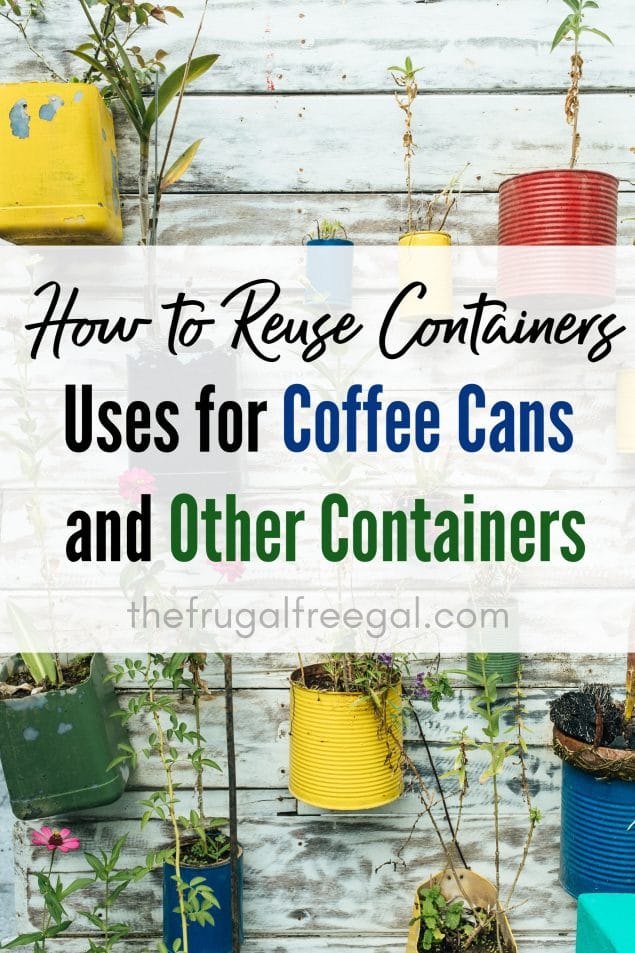
  • 31 Uses for Coffee Cans, Baby Formula Cans, or Other Containers

    My husband and I drink a lot of coffee and we always end up with empty coffee containers.

    We also use formula now with my almost four month old and we end up with empty formula cans.

    I am not a fan of throwing these away, so I went on to my Facebook group and asked my fans what they did with empty coffee cans or other containers. I was amazed at the response, so I wanted to share them here.

    10+ Ways to Reuse Jars

    Their responses were great, and I think you’ll think so, too! I hope you are able to use some of the ideas below to turn your empty cans and containers into a brilliant and amazing idea that you’ll want to share with others.

    Check out my most recent addition on my other website, Mom. Wife. Busy Life:

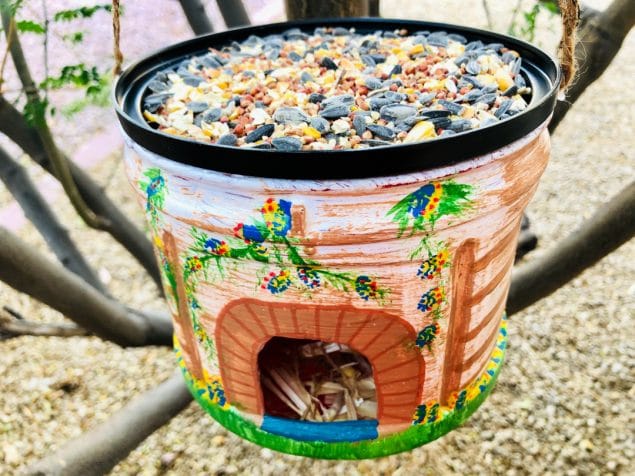
    Coffee Container Bird Feeder/House

    Check out What to Do With Empty Formula Cans if you have empty formula cans laying around! 

    The fall season is here! Do you have empty and clean milk jugs you are saving? Turn them into Milk Jug Ghosts, Milk Jug Pumpkins, or a Milk Jug Snowman! You can also make this cute Tide Pod Container Ghost Craft!

    31 Uses for Coffee Cans, Baby Formula Cans, or Other Containers

    (***Warning: Some containers may have sharp edges. I do not recommend using any cans that could be dangerous. Also, do not pour hot grease in plastic containers. Make sure grease has cooled down before adding it to any container.)

    1. My hubby uses coffee cans out in the garage to store nails, screws, etc.  -Delois
    2. To organize the tools in the garage, cut holes in the bottom of the coffee cans to make a week long watering system for your plants, organize crafts (buttons, string, thread) -Trish
    3. Pencil holders, kitchen tools, garage gadgets, make candles in, stored on their side for fabric, yarn or electronics (cords), Legos, small toys, trash collection in the car -Darcy
    4. I use the plastic Folger coffee cans to throw vegetable scraps, onion peels, coffee grounds etc in. Once a day I empty it onto the compost pile in the back yard. We also use them to start seedlings for the garden. -Leeann
    5. Pens, coins, makeup, small gift containers -Lucy
    6. I’m container gardening this year and plan to use my coffee cans for peppers. -Robyn
    7. Teacher appreciation gifts! -Leslee
    8. Lay them on their sides, cover with mac tac, cover with fabric, decoupage and glue together to make a pyramid…ta da… great looking storage! -Vanessa
    9. I have my kids re-use them for crafts as often as I can, but they can only go so far. So far we made road trip bins with the tall cans of formula. (Example: Filled w/a few action figures, matchbox cars, non perishable snacks, a hand held game of some sort, maybe some pictures etc.) Just enough to fit in the can and take on long trips full of stuff that’s still a novelty. I also had them put wrapping paper on some and decorate them and make piggy banks or jewelry boxes for their grandmas, etc. -Chandelle
    10. I finally found a use for the empty Ovaltine containers, my husband brews beer so he keeps different colored caps in each one.  I saw something for using Pringles containers and Oatmeal containers to give cookies or baked items during the holidays. Wrap with scrapbook paper or wrapping paper, use ribbon, etc. We don’t use coffee cans anymore but I hated throwing those out when we did. Those might work good for giving baked goods during the holidays wrapped in scrapbook paper or wrapping paper. -Tasha
    11. My hubby uses them to sort parts in the garage. -Candice
    12. I am covering some with cute paper and using them as utensil holders and putting balloon weights in them to use as centerpieces at a up coming party. Or have the kiddos decorate them and make banks out of them! -Livy
    13. Make mini first aid kits. -Heather
    14. Kids toys. -Danielle
    15. We have used coffee cans to transport dry dog food camping. Any cans you can slap some cute paper on can become a pencil holder. Or noise maker for kids if you have a lid and put some rice in it. -Nik
    16. I get the plastic coffee cans and recycle them. If metal, I use them for grease. -Rita
    17. I use ours for my makeup in the bathroom. -Jennifer
    18. We glue or tape a decorated piece of construction paper, fill them up with goodies (depending on the holiday) and give them out as presents. People love they can re-use it afterwards for office supplies, etc. And they have a keepsake of my children’s handwriting/drawing skills as they progress. -Jennafer
    19. Paint the cans and attach sturdy wire to make a handle, even curl the wire to make it more decorative and use it for valentines or Easter for holding candy. Use them for birthday parties to hold their treasures like a goody bag or for a candy toss–get the kids to decorated it with pieces of cloth, paint etc. The craft possibilities are endless. -Rachelle
    20. We use coffee cans to put used cooking oil in. -Shelli
    21. I put holes in the bottom of the Folgers buckets and use them for planters. If you “rough up” the outside, you can spray paint them and make them look nice. -Jennifer
    22. Paint them and put hair bows/rubber bands. they could also be used to hold the remotes. -Tammy
    23. In my storage dry room I have rows of coffee cans filled with different beans, rice, and noodles. I use them in the garden for my young tomato and pepper plants to keep earwigs and cutworms away–as the tomato or pepper grows, I add more soil. This gives it a stronger root system and nothing is touching the ground to get spoiled. I also save them for camping. -Dianna
    24. I use formula cans as my vase and I make a bouquet of baby stuff for baby showers. They look really cute! -Angie
    25. I use them for old cooking oil. -Kelly
    26. You could donate them to a preschool or save for VBS! -Janet
    27. Spray paint or decorate them with construction paper, wall paper, etc. -Angela
    28. Check with your children’s ministry leader at your church.  They might be able to use them for VBS. -Lesa
    29. My parents use coffee cans for fat oils and freeze it. -Alison
    30. I use the formula tub for chalk outside so it stays dry when it rains. -Margaret
    31. I use formula containers for small toys or to keep toy sets together. -Jennifer

    So, before you throw away those empty containers, think of a way in which you can reuse or recycle them!

    If you’d like to add your own idea, please leave a comment in this post!

    Thank you to the fans that contributed ideas for this post.

  • Ways to Earn Extra Cash and Rewards for the Holidays

    Christmas is around the corner!

    Have you started your holiday shopping yet? There’s still plenty of time!

    This year, if you are in need of extra cash and rewards to put towards Christmas presents, check out this list below of ways to earn rewards through apps, surveys, and more!

    Companies and brands need feedback from YOU and by completing surveys or even doing simple tasks such as shopping online, you can start working towards earning real cash and rewards.

    Every bit adds up!

    Browse through the list below and choose the ones that are right for you to start earning today.

    Ways to earn rewards:

    Shutterstock Contributor

    Love taking photos? Sell your photos online through Shutterstock! Sign up for an account, then upload and submit your photos to start earning.

    Money Saving Reward Apps:

    Fetch Rewards

    This is currently my favorite app to use. Scan your receipts to earn rewards points that you can use for gift cards and more.

    Ibotta

    Find great rebates, shop & redeem, get cash back! 100% of your Ibotta earnings can be transferred to PayPal or Venmo as soon as you’ve earned $20. If you’d rather convert your earnings into a gift card, you can do that, too.

    Checkout 51

    Pick the rebates you like, purchase them at any store, and upload a photo of your receipt through the mobile app or website. When your account reaches $20.00, they send you a check. Earn $5 cash back every time you refer a friend and they redeem their first offer.

    Swagbucks

    Earn 1,000s of free prizes, for doing the things you do every day – like PayPal and Amazon gift cards, toys, clothes, collectibles, games, electronics and more. My lifetime Swagbucks: 68,488 = lots of Amazon gift cards!

    Rakuten

    Join and get a $30 bonus when you spend $30.*

  • How to Save Money on Gas For Your Car

    how to save money on gas

    Summer is here! Will you be traveling anywhere special? Taking the family on a vacation? Or do you just drive a lot to and from work daily?

    If so, you will definitely want to start looking into ways to save on gas (especially with gas prices on the rise these days).

    Thankfully, your search will be a short one because I compiled ten great ways to save on gas all right here!

    Use one or use them all–your wallet will thank you.

    How to Save Money on Gas

    1. Use a Gas Rewards Card

    Does your local grocery or convenience story offer a gas rewards card? If so, use it! You might as well save a little extra money by buying all of the items you use and love anyway.

    Download the Upside app to save even more! Upside is a free cash back app that users can earn up to 25¢/gallon cash back on gas.

    2. Compare Prices

    In my town, there are certain gas stations that are routinely less expensive than others or that always wait longer to raise their prices.

    I’m guessing the same thing happens where you live. Find out which stations do this and make those the ones you visit regularly.

    If you aren’t sure which stations have the best prices, there are apps that can help you.

    3. Drive the Speed Limit

    Driving fast may be fun and save time, but it will can cost you big in fuel savings.

    Stay around the speed limit on the highway for maximum fuel efficiency. (And you might just save yourself the cost of a speeding ticket as well!)

    4. Brake Cautiously

    Every time you brake, you waste the momentum your car already has and force it to use more gas to accelerate again.

    While you will definitely want to brake when needed to avoid a crash, giving the car in front of you plenty of room can help reduce the number of times you have to brake.

    5. Keep Your Tires Inflated

    Underinflated tires can really reduce your car’s fuel efficiency. Check your car’s tire pressure regularly, especially before you head out on long trip.

    6. Combine Trips

    It can be easy to find yourself making several trips all over town to pick up everything you need.

    Save yourself time and money by keeping a running list and then simply making one big trip or picking up items while you are out anyway.

    7. Warm Your Car Just Enough

    Getting in a toasty warm car in the morning may be nice, but warm your car for too long and all you’ll do is burn through your fuel.

    Warming your car for a minute or two is fine, but don’t leave it running for an extended period of time while you get ready.

    8. Carpool

    Do your friends, family members or co-workers live nearby?

    Instead of all driving separately to each event, consider going together. Not only can this be a lot of fun, but it can save you big in fuel costs as well.

    9. Travel Light

    If you will be spending several days away from home, if you’re traveling a long distance or if you’re traveling with children, it can be tempting to pack everything you own.

    Resist the urge. The heavier your car is, the more drag it will create and the more fuel it will take to keep it running.

    10. Fill Up Early

    Gas prices often spike right before holidays. Don’t get caught paying top dollar. Fill up in advance so you can get the same amount of gas for less money.

    Related: How to Save Money When Traveling By Car

    Do you plan on traveling for spring break or summer vacation? How will you keep your fuel and other travel expenses low?