Frugal Living, Money Saving Tips, Freebies, and More!

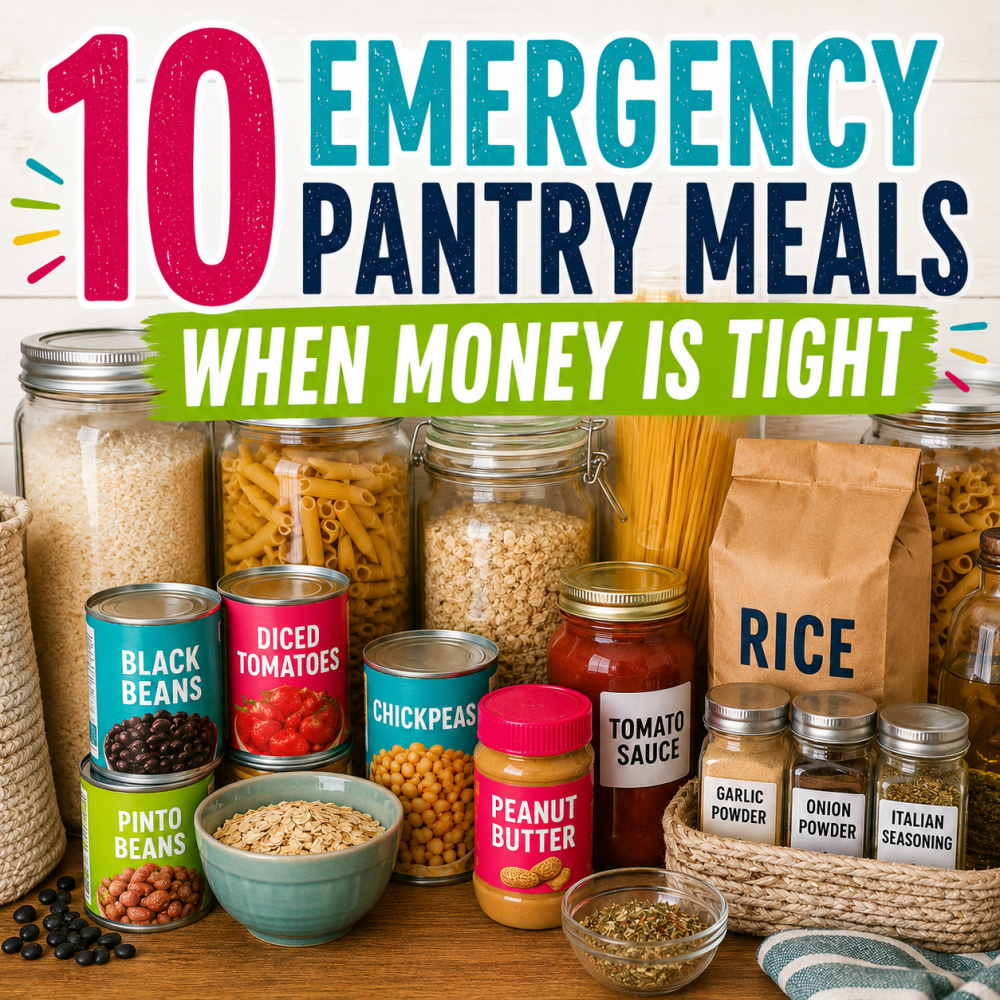
  • 10 Emergency Pantry Meals When Money Is Tight (Cheap Meals From What You Already Have)

    When money is tight, the pantry becomes the most important place in the house. Before running to the store—or stressing about what to cook—there are often simple ingredients already sitting on the shelves that can turn into real meals.

    These emergency pantry meals are built for real life: busy families, tight budgets, and those weeks when grocery money just isn’t stretching far enough. Nothing fancy, nothing complicated—just practical meals you can make from basic pantry staples.

    If you’ve ever asked, “What can I cook when I have no money?” or “What meals can I make from pantry ingredients?”—this list is for you.

    What Counts as Pantry Staples?

    Before jumping into the meals, here are the kinds of foods that usually make these recipes possible:

    • Rice
    • Pasta
    • Canned beans
    • Canned tuna or chicken
    • Bread or tortillas
    • Eggs
    • Peanut butter
    • Canned vegetables or soups
    • Basic seasonings (salt, pepper, garlic powder, Italian seasoning)

    Most of these are affordable and shelf-stable, which makes them perfect for emergency meals or stretching a grocery budget.

    10 Emergency Pantry Meals

    1. Rice and Beans Bowl

    One of the most reliable budget meals is rice and beans. It’s filling, inexpensive, and easy to customize.

    What you need:

    • Rice
    • Canned beans (black, pinto, or kidney)
    • Salt, butter, or seasoning

    Optional add-ins: cheese, hot sauce, frozen vegetables

    Cook the rice, heat the beans, and mix together. That’s it. It’s simple, but it works when you need a filling meal fast.


    2. Buttered Noodles with Seasoning

    Pasta is one of the cheapest pantry staples you can keep on hand.

    What you need:

    • Pasta
    • Butter or oil
    • Garlic powder, salt, or Italian seasoning

    Optional add-ins: Parmesan cheese, canned chicken, frozen peas

    This is a go-to meal when groceries are low. It’s quick, kid-friendly, and filling.


    3. Tuna Rice Skillet

    This is a great protein-packed meal using pantry basics.

    What you need:

    • Cooked rice
    • Canned tuna
    • Mayo or butter
    • Salt and pepper

    Optional add-ins: peas, corn, or a splash of soy sauce

    Mix everything together in a skillet or bowl. It stretches a small can of tuna into a full meal.


    4. Eggs and Toast (Breakfast for Dinner)

    Eggs are one of the most affordable proteins available, making them perfect for emergency meals.

    What you need:

    • Eggs
    • Bread
    • Butter

    Optional add-ins: cheese, ketchup, leftover vegetables

    Scramble, fry, or boil the eggs and serve with toast. Simple, fast, and filling.


    5. Poor Man’s Quesadillas

    This is a flexible meal that works with very little.

    What you need:

    • Tortillas or bread
    • Cheese (if available)
    • Optional beans or leftovers

    Warm in a skillet until crispy and melted. Even without cheese, buttered tortillas can work in a pinch.


    6. Canned Soup Upgrade Meal

    A single can of soup can stretch much further than you think.

    What you need:

    • Canned soup
    • Rice, pasta, or crackers

    Optional add-ins: canned chicken, frozen vegetables

    Add rice or pasta to bulk it up and turn it into a full meal for the family.


    7. Bean and Cheese Toast or Wraps

    Beans are one of the best budget-friendly proteins.

    What you need:

    • Canned beans
    • Bread or tortillas
    • Cheese (optional)

    Optional add-ins: salsa, seasoning, hot sauce

    Mash or heat the beans and spread onto bread or wrap in a tortilla.


    8. Simple Fried Rice (Pantry Version)

    Fried rice is perfect for using what you already have.

    What you need:

    • Cooked rice
    • Eggs
    • Soy sauce or salt

    Optional add-ins: frozen vegetables, leftover meat

    Cook everything in a skillet and season to taste. This is one of the best “clean out the fridge” meals.


    9. Peanut Butter Sandwich Meal

    When everything else is gone, this is a lifesaver.

    What you need:

    • Bread
    • Peanut butter

    Optional add-ins: jelly, banana slices, honey

    It’s simple, filling, and provides protein and energy when you need it most.


    10. Pasta with Tomato Sauce

    A classic pantry meal that always works.

    What you need:

    • Pasta
    • Canned tomato sauce or diced tomatoes
    • Oil or butter
    • Seasonings

    Optional add-ins: beans or canned meat

    This is an easy, comforting meal that stretches far for a low cost.


    Tips for Stretching Pantry Meals Even Further

    If you’re trying to make food last longer, here are a few simple tricks:

    • Add rice or pasta to soups to bulk them up
    • Mix beans into almost any dish for extra protein
    • Use eggs to stretch meals further
    • Season well—simple food tastes better with seasoning
    • Freeze leftovers for another emergency meal later

    Building a Simple Emergency Pantry

    If you want to avoid stressful weeks like this, start slowly building a small emergency pantry.

    Try keeping:

    • 2–3 bags of rice or pasta
    • 4–6 cans of beans
    • A few cans of tuna or chicken
    • Peanut butter
    • A few canned vegetables or soups
    • Basic spices

    You don’t need a full stockpile—just enough to cover a few meals when things get tight.


    Final Thoughts

    Emergency pantry meals aren’t about perfection—they’re about getting through the week with what you have. These simple, low-cost meals can help stretch your budget, reduce stress, and keep your family fed even when groceries are running low.

    Sometimes the best meals aren’t fancy… they’re just the ones that get the job done.

  • 50 Things Frugal Families Have Stopped Buying to Save Money

    If it feels like everything costs more this year, you’re not imagining it. From groceries to household basics, everyday expenses have climbed in a way that forces many families to rethink how they spend.

    The good news is this: frugal families aren’t just cutting joy out of life—they’re simply becoming more intentional about what they buy and what they can live without.

    Over time, these small decisions add up in a big way.

    Below are 50 things frugal families have stopped buying to save money each month, reduce waste, and make their budgets work a little harder.

    FRUGAL LIVING TIP CATEGORIES

    Food & Grocery Spending

    1. Bottled water

    Reusable bottles and filtered pitchers make this an easy cut.

    2. Pre-cut fruit

    Whole fruit is almost always cheaper.

    3. Individually packaged snacks

    Buying in bulk and portioning at home saves money fast.

    4. Store-bought lunches

    Packing lunch consistently is one of the biggest budget wins.

    5. Convenience store drinks

    These are often marked up far more than grocery store options.

    6. Name brand pantry staples

    Rice, pasta, flour, and sugar are usually identical in store brands.

    7. Grocery bakery items

    Homemade desserts cost less and last longer.

    8. Meal delivery kits

    Convenience is high—but so is the cost.

    9. Fast food multiple times per week

    Even small runs add up quickly.

    10. Trendy viral foods

    Not every social media food trend is budget-friendly.


    Household & Cleaning Costs

    11. Name brand cleaning products

    Store brands often perform just as well.

    12. Paper towels for every spill

    Reusable cloths reduce long-term spending. (Here are my favorite cleaning cloths that I still have!)

    13. Disposable mop pads

    Washable pads last much longer.

    14. Single-use cleaning wipes

    Spray bottles + cloths are cheaper over time.

    15. Dryer sheets

    Dryer balls are a reusable alternative. (I ordered this set on 09/2023 that I still use!)

    16. Expensive air fresheners

    Simple DIY options often work just as well.

    17. Fancy laundry detergents

    Basic detergent still gets the job done.


    Home & Lifestyle Spending

    18. Seasonal home decor every year

    Reusing decorations saves a lot over time.

    19. Trendy storage containers

    Repurposing what you already have works just fine.

    20. Duplicate kitchen gadgets

    Multi-use tools are more practical and cheaper.

    21. Brand new furniture

    Secondhand and marketplace finds stretch budgets.

    22. Excess home décor items

    Less clutter usually means less spending.

    23. Constant room “refreshes”

    Small updates beat full redesigns financially.


    Subscriptions & Digital Spending

    24. Extra streaming services

    Rotating subscriptions saves monthly money.

    25. Unused app subscriptions

    Many families forget what they’re paying for.

    26. Cable TV packages

    Streaming options are often cheaper.

    27. Subscription boxes

    Convenient—but rarely necessary.


    Kids, Family & Personal Spending

    28. Brand new kids’ clothes every season

    Hand-me-downs and thrift stores go further.

    29. Excess toys

    Fewer toys often means more creativity.

    30. Greeting cards for every occasion

    Printable or homemade cards reduce spending.

    31. Expensive school fundraiser extras

    Being selective helps control spending.

    32. Trendy seasonal outfits

    Not everything needs to be new each season.


    Shopping Habits That Add Up

    33. Impulse store trips

    “Just browsing” often leads to unnecessary purchases.

    34. Buying items just because they’re on sale

    A deal isn’t a deal if it wasn’t needed.

    35. Duplicate household items

    Extra stock often becomes clutter.

    36. Fancy organizational bins

    Repurposed containers work just as well.

    37. Constant phone upgrades

    Keeping devices longer saves a lot.


    Pet & Miscellaneous Spending

    38. Expensive pet accessories

    Basics are usually all pets actually need.

    39. Unnecessary pet clothing

    Cute, but rarely essential.


    Money-Saving Mindset Changes

    40. Buying bulk without a plan

    Bulk only saves money if it gets used.

    41. Treating every convenience as necessary

    Convenience often comes with hidden costs.

    42. Buying duplicates “just in case”

    Most households already have enough.

    43. Constantly upgrading perfectly good items

    “Good enough” saves more than “new.”

    44. Overcommitting to memberships

    Gym, clubs, and programs add up quickly.

    45. Overdecorating for every holiday

    Simple décor still creates a seasonal feel.

    46. Overbuying cleaning supplies

    A few basics go further than a full cabinet.

    47. Excess beauty products

    Simplifying routines reduces waste.

    48. Buying books instead of borrowing

    Libraries remain one of the best free resources.

    49. Fancy gift wrapping supplies

    Simple wrapping still feels thoughtful.

    50. Shopping emotionally

    This is often the biggest budget leak of all.


    FREQUENTLY ASKED QUESTIONS

    What are the easiest things to stop buying to save money?

    Start with subscriptions, takeout food, bottled drinks, and name-brand groceries. These are often the fastest wins.


    How do frugal families save the most money?

    They focus on reducing recurring monthly expenses first, then adjust grocery and impulse spending.


    What is the biggest money-wasting habit in households?

    Emotional and impulse shopping is one of the most common hidden budget leaks.


    Do small savings really make a difference?

    Yes. Cutting even $5–$10 per category each week can add up to hundreds per month.

  • 10 Ways to Cut Back-to-School Lunch Costs Without Boring Your Kids

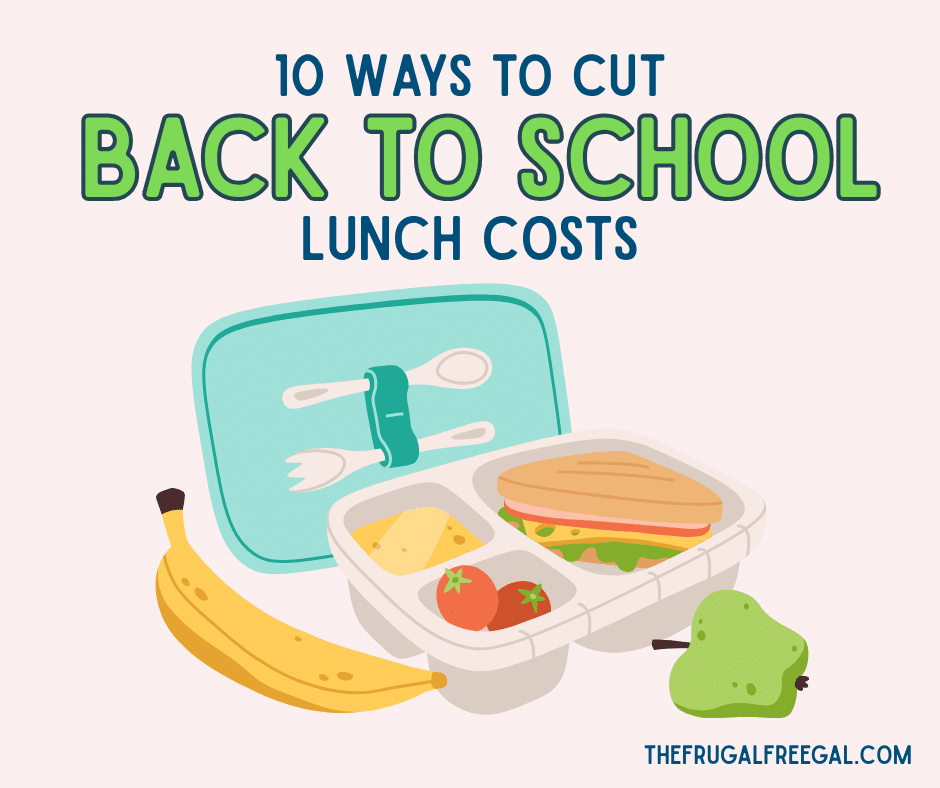
    10 Ways to Cut Back-to-School Lunch Costs

    Back-to-school season already hits the wallet hard — new shoes, classroom supplies, and fees galore.

    But one often-overlooked expense?

    School lunches.

    Packing a daily lunch might seem like a budget-friendly option, but between pricey snacks, single-serve items, and wasted food, it can add up fast.

    If you’re looking for cheap lunchbox ideas for school, you’re in the right place.

    These budget-friendly back-to-school lunch tips will help you save money on school lunches without serving your kids the same PB&J every day.

    1. Stock Up on Cost-Effective Lunchbox Staples

    Instead of grabbing high-priced pre-packed items, focus on affordable lunch staples you can mix and match:

    • Tortillas: Cheaper than bread and more versatile. Think wraps, roll-ups, and quesadillas.
    • Rice and beans: Make burritos, rice bowls, or taco salads.
    • Hard-boiled eggs: Inexpensive protein that travels well.
    • Carrot sticks, cucumbers, and apples: Budget produce that lasts and doesn’t bruise easily.
    • String cheese or block cheese cut into cubes: A protein boost that doesn’t break the bank.

    Money-saving tip: Shop sales and clearance racks. Use apps like Ibotta or Fetch Rewards for cashback on staple items.

    2. Buy in Bulk and Portion Ahead

    Buying in bulk isn’t just for big families — it’s for smart families.

    Here’s how to make it work:

    • Purchase large bags of pretzels, trail mix, or crackers and portion them into these reusable containers. The containers have 4 spaces for snack items and are great for kids.
    • Bulk deli meat and cheese from the grocery store can be sliced at home for much cheaper than individually packed versions.
    • Buy multipacks of yogurt or applesauce instead of single-serve pouches.

    Prep tip: Prep and freeze sandwiches (yes, even PB&J freezes well!) so you’re not scrambling each morning. Just pull one out and it’ll thaw by lunch.

    3. Use What You Already Have – Get Creative with Leftovers

    Think beyond dinner — think tomorrow’s lunch.

    Examples:

    • Chicken for dinner? Make chicken wraps with lettuce and cheese the next day.
    • Leftover taco meat? Toss it in a tortilla with beans and salsa.
    • Mac and cheese? Add some frozen peas or hot dogs for a next-day treat. Here’s a bestselling Thermos, perfect for these leftovers.

    Using leftovers is one of the cheapest school lunch ideas for kids — and no, it doesn’t have to be boring!

    4. Avoid Single-Serve Convenience Items

    Individually packaged snacks are convenient but come at a premium.

    For example:

    • A 12-pack of single-serve applesauce pouches can cost $6+.
    • A 48 oz jar of applesauce is usually under $3 — that’s about 12 servings right there.

    Use refillable silicone pouches or small reusable containers instead. You’ll save money and reduce waste.

    5. Use Reusable Lunch Gear

    Invest once and save all year.

    What to grab:

    Using reusable lunch supplies helps cut down on daily waste and the cost of disposable bags and containers.

    6. Rotate 5 Simple, Cheap Lunches That Your Kids Actually Like

    Keep a school lunch rotation of 5 budget meals your child enjoys. This way, you’re not reinventing the wheel every week.

    Examples:

    1. Turkey and cheese wrap + grapes + pretzels
    2. DIY lunchables (crackers, ham, cheese cubes, fruit) *these containers are perfect for this!
    3. Pasta salad with veggies + fruit cup
    4. Peanut butter and banana sandwich + yogurt
    5. Cheese quesadilla + salsa cup + carrot sticks

    Kids thrive on routine, and this helps eliminate food waste and morning stress.

    7. Shop Seasonal Produce for Cheaper Snacks

    Fruit prices can fluctuate wildly depending on the season. Opt for seasonal fruits and veggies for lunchbox sides:

    • Fall: Apples, pears, carrots
    • Winter: Oranges, sweet potatoes (roasted wedges)
    • Spring: Strawberries, snap peas
    • Summer: Melons, cucumbers

    Bonus tip: Check out local farmer’s markets toward closing time when vendors slash prices to clear inventory.

    8. DIY Lunch Kits Instead of Buying Name Brands

    You don’t need to buy overpriced Lunchables or snack packs. Create your own “cool” kits with 4 compartment snack containers.

    Try:

    • DIY pizza lunch: Pack mini pitas, marinara, cheese, and pepperoni in compartments.
    • DIY taco kits: Small tortilla, shredded chicken, lettuce, and cheese in separate containers.
    • DIY snack box: Cheese cubes, grapes, popcorn, mini pickles.

    Kids love finger foods and the control of assembling their own lunch.

    9. Use a Weekly Lunch Planner

    A little meal planning goes a long way in preventing last-minute runs to the store or overspending.

    Try this system:

    • Pick 5 easy lunch ideas per week.
    • Shop for those specific items.
    • Prep anything you can ahead of time (cut fruit, portion snacks).

    Print out a free printable weekly menu plan to hang on the fridge. It keeps your shopping list focused and your budget in check.

    Get this free printable meal planner!

      We respect your privacy. Unsubscribe at anytime.

      10. Involve Your Kids in the Process

      Let kids help plan and pack their lunches. You’d be surprised how picky eaters open up when they have a say.

      Create a “Pick 1 from each list” system:

      • Main: sandwich, wrap, leftovers
      • Fruit/veg: apples, cucumbers, strawberries
      • Snack: popcorn, yogurt, crackers
      • Drink: water, milk, 100% juice

      This reduces waste from uneaten food and teaches them budgeting basics!

      Bonus: Budget Lunch Ideas Under $1 Per Meal

      Here are some super frugal school lunch combos under $1/meal:

      • PB&J + apple slices + pretzels
      • Hummus + pita bread + carrots
      • Cheese sandwich + raisins + popcorn
      • Pasta salad + banana + crackers
      • Bean and cheese burrito + orange wedges

      Frequently Asked Questions

      How do I pack a healthy lunch on a tight budget?

      Stick with affordable basics like whole grains, fruits in season, simple proteins (eggs, beans), and use leftovers creatively. Avoid processed or single-serve items when possible.

      How do I keep lunch interesting without spending more?

      Variety is key! Change up the bread (wraps, mini pitas), try themed lunches (DIY taco day), and let your child help pack to ensure they’ll actually eat it.

      What are some good cheap proteins for school lunches?

      Eggs, beans, hummus, canned tuna, rotisserie chicken, and deli meat (bought in bulk) are all affordable options.

      How can I save money on lunchbox snacks?

      Buy larger containers and portion them yourself. Skip individually wrapped treats and use reusable containers. Consider homemade options like popcorn, trail mix, or muffins.

      What’s the best way to keep food fresh in a lunchbox?

      Use insulated lunch bags and add a reusable ice pack. Freeze juice boxes or yogurt tubes to keep lunches cool and safe to eat by lunchtime.

      Final Thoughts

      Packing school lunches doesn’t have to drain your wallet or your time.

      With a little strategy, you can send your kids off each day with nutritious, affordable, and non-boring lunches — and keep more money in your pocket.

    • FREE Moose Sticker from Duluth Pack

      Request a FREE Moose Sticker from Duluth Pack!

      Don’t forget to request your free llama sticker, too!

      Request more freebies here and join our Facebook group to get notified when new freebies are available! Get freebies in your inbox! Subscribe for daily email updates.

    • FREE Baby Shark Coloring Page

      Print and color this FREE PinkFong Baby Shark Coloring Page from Crayola!

      Find more FREE printables here.

      Request more freebies here and join our Facebook group to get notified when new freebies are available! Get freebies in your inbox! Subscribe for daily email updates.

    • How I Organize and Plan My Shopping Trips

      I recently wrote a few tips for using coupons on the post below:
      https://thefrugalfreegal.com/2010/06/tips-for-beginner-couponers.html
      In this post I wrote about where to find your coupons and how to organize them.

      Now that you are saving your coupons and keeping them organized, it is time to start using them.

      I like to shop at the following stores in my area for my groceries and toiletry items:

      1.) Wal-mart
      2.) Walgreens
      3.) CVS
      4.) Food Lion
      5.) Target

      I used to shop for the majority of my groceries at Wal-mart because I thought it was cheaper. I dreaded these trips because I knew that I needed a lot of groceries and I always came out with a huge cart full. Now I make several trips throughout the week and make a few purchases at each store, stocking up on what I know I buy and need week after week, when the items are on sale, and usually with coupons. I create a stockpile of these items so that I do not have to go to the store each week to pick up one item, just to have to go back the next week because we ran out.

      For example, baby bath wash was on sale at Wal-mart recently. I found myself buying bath wash every time I went to the store. When it was on sale, I stocked up and bought six, which ends up saving me money in the end when buying it at sale price, as well as keeping me from having to go back to the store six different times for bath wash!

      When an item goes on sale that you know you buy regularly, buy several and create a small stockpile of that item. Eventually you will have done this with everything you buy and you find that you aren’t having to go to the store as often. Once the sale ends, it usually comes back in a few months. When you find that your stockpile is running low, find that sale again later and stock up again. It is even better when you use a coupon (or several coupons) on top of that sale!

      Are you ready to read about how I organize my shopping trips?

      1.) I collect the store circulars from the stores listed above from the Sunday paper, or from the store itself.
      2.) I look through each circular, find what is on sale that I need and circle that item.
      3.) Then I look to see what coupons I have that will match the sale.
      4.) I spread out my shopping trips throughout the week when I am out and about and stop into those stores, with my coupons.
      5.) I buy what I need and head home knowing that I have saved some money!

      I hope you have started saving your coupons that you are coming across daily. This is important because I will eventually be posting deal scenarios where you can get certain items for FREE if you have the coupon. The blogs to the right on the Deal Watch List post deal scenarios often, so you don’t want to miss out if you do not have the coupons.

      Now that I have given you tips on where to find your coupons and how to organize them (on the previous post), and given you tips on how to organize your shopping trip, I am ready to start giving you more information on using certain coupons with deal scenarios.

      I will also be posting a few free samples that come along my way. Come back often!